
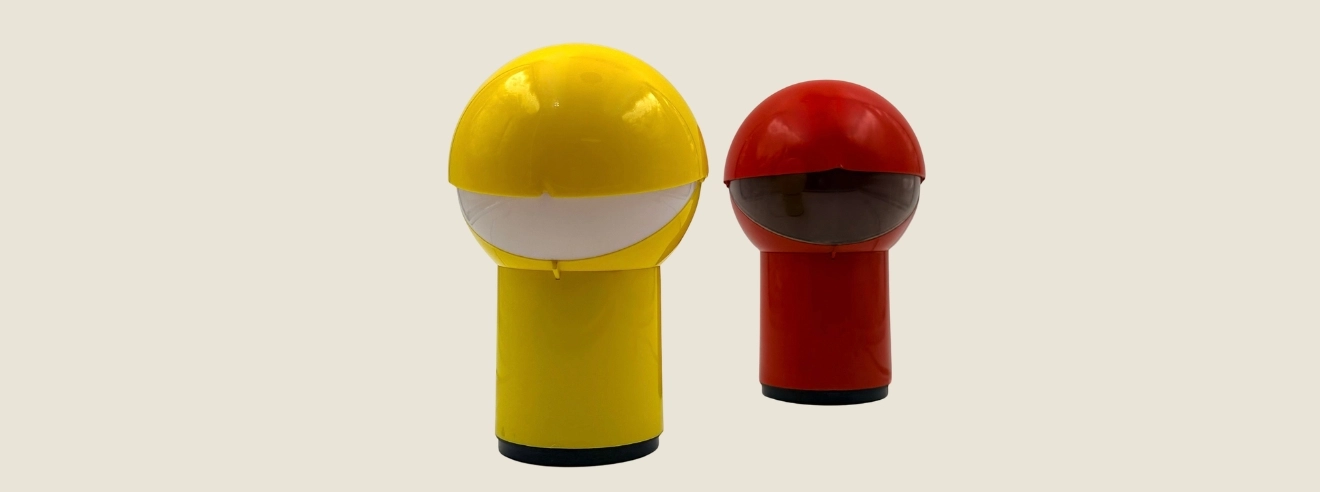
Plastic was once the material of the future.
Plastic Fantastic Design represents one of the most radical transformations in twentieth-century interiors.
During the 1960s and 1970s, designers embraced plastic not as a substitute for traditional materials, but as a revolutionary medium capable of transforming everyday objects into bold statements of modern living. Lightweight, colorful, affordable, and infinitely moldable, plastic opened the door to forms that would have been impossible to achieve in wood, metal, or glass.
Furniture, lighting, mirrors, storage systems, and household accessories suddenly became softer, brighter, and more playful. Designers imagined a future where domestic objects could be functional, expressive, and accessible at the same time.
Today, many of these creations remain remarkably contemporary. Their optimism, graphic clarity, and sculptural presence continue to influence interiors more than fifty years after they were first produced.
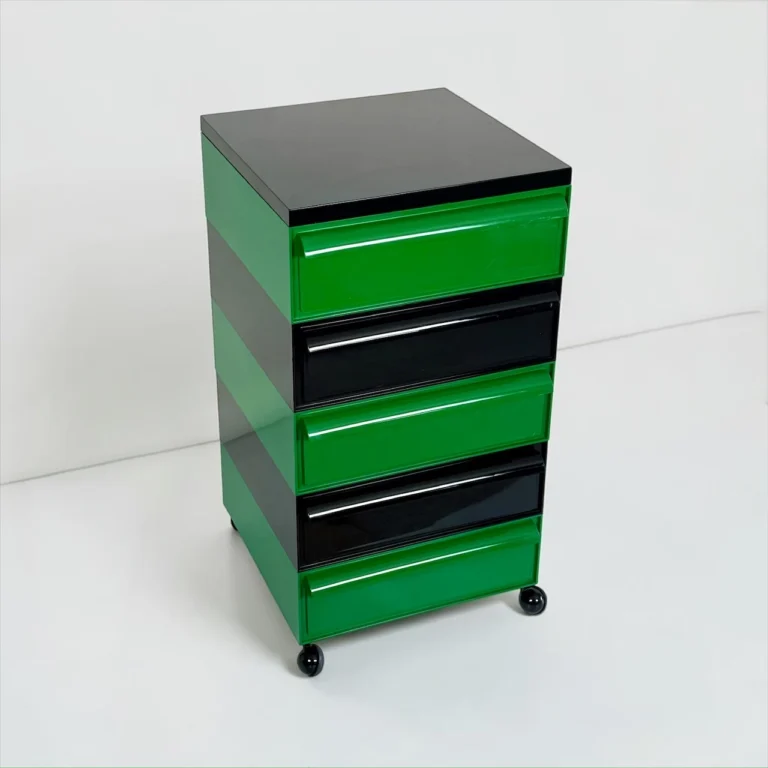
Few materials captured the spirit of the future as effectively as plastic.
Its smooth surfaces, bold colors, and ability to assume previously impossible shapes made it the perfect companion to the cultural fascination with space exploration and technological innovation that defined the 1960s and 1970s.
Designers began creating spherical lamps, modular furniture, integrated mirrors, and sculptural accessories that seemed to belong to a world yet to come. Plastic allowed everyday objects to become playful, experimental, and optimistic.
The result was a generation of products that transformed ordinary interiors into futuristic environments without sacrificing functionality.
One of the defining characteristics of Plastic Fantastic Design was its celebration of color.
Bright reds, vivid oranges, deep blues, greens, and yellows became common features of domestic interiors. Curved silhouettes replaced rigid geometries, while molded components reduced the need for visible joints and structural elements.
This freedom encouraged a new relationship between function and form. Objects were no longer designed solely to perform a task. They were also expected to communicate personality, emotion, and visual identity.
From mirrors and vanity sets to lighting and tableware, plastic helped transform everyday life into a more colorful and expressive experience.
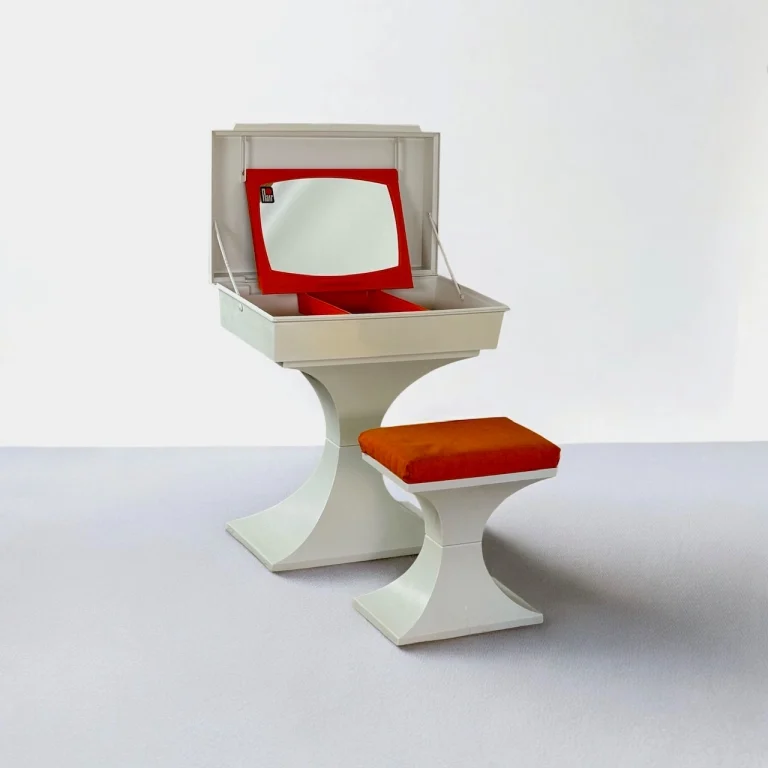
Some of the most influential examples of Plastic Fantastic Design emerged from Italy and other parts of Europe.
Manufacturers such as Kartell helped establish plastic as a serious design material, collaborating with visionary designers who understood its potential beyond simple functionality. At the same time, figures such as Makio Hasuike, Olaf von Bohr, and numerous Space Age designers explored new ways of integrating plastic into daily life.
The resulting objects combined practicality with experimentation. Coat racks became sculptural wall elements. Mirrors incorporated lighting and storage. Furniture adopted bold colors and modular configurations. Everyday objects became vehicles for innovation.
These pieces continue to attract collectors because they embody a rare combination of technological optimism, functional intelligence, and visual originality.
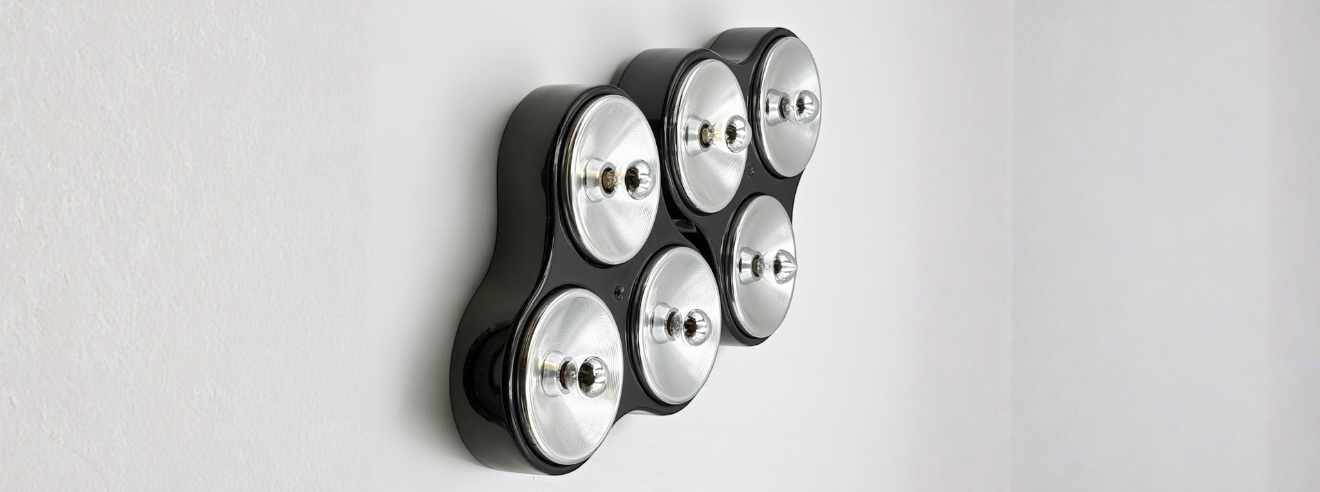
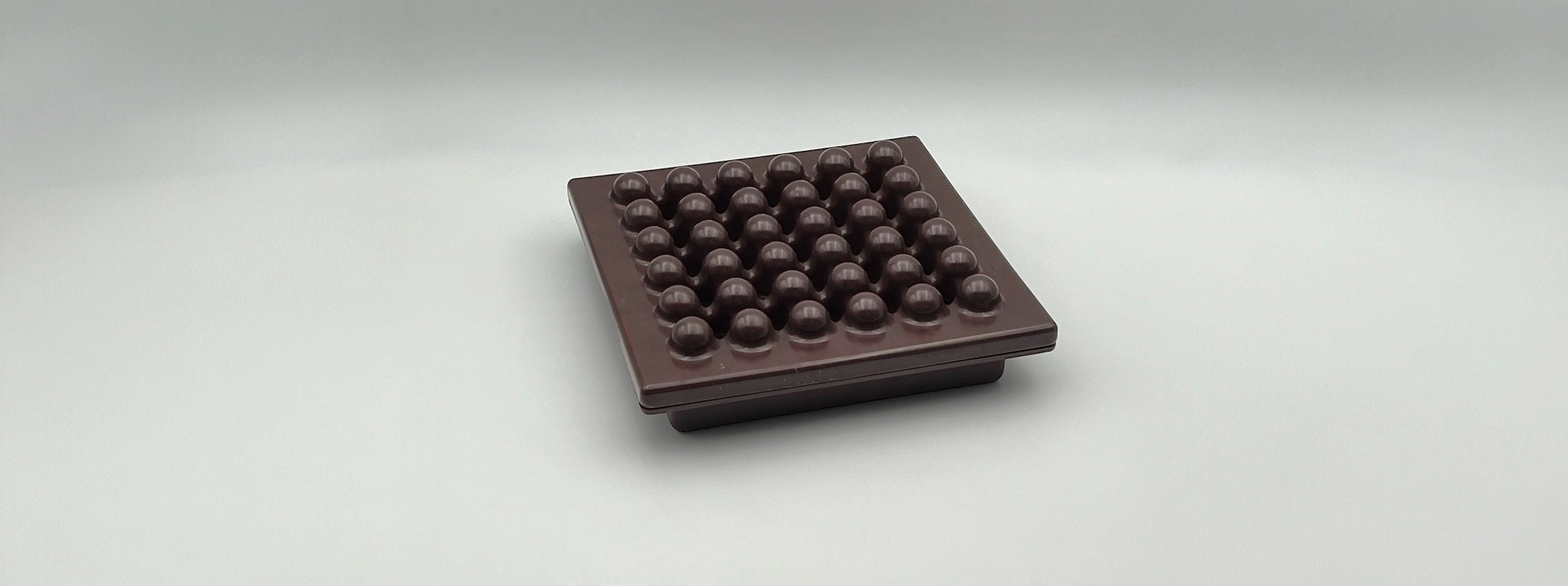
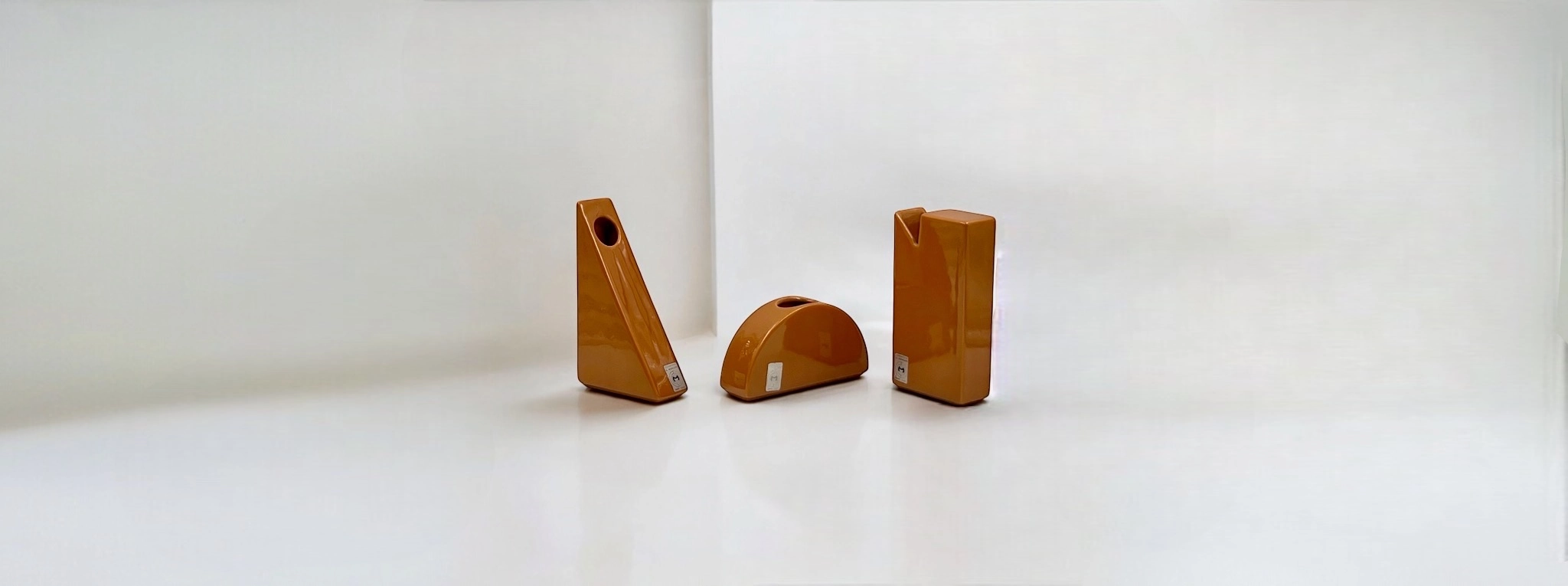
The Plastic Fantastic movement produced some of the most imaginative objects of the twentieth century. Here are a few examples from our collection that demonstrate how designers transformed an industrial material into a vehicle for creativity, innovation, and everyday beauty.
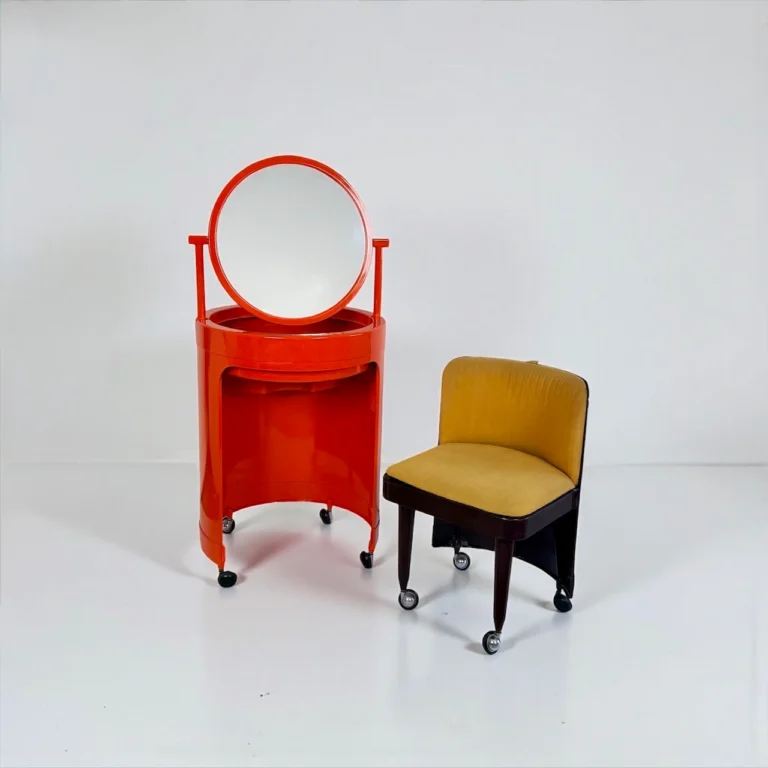
A vibrant 1970s composition that combines mirror, shelf and seating in a single plastic structure. An excellent example of how Plastic Fantastic Design transformed everyday furniture into playful architectural statements.
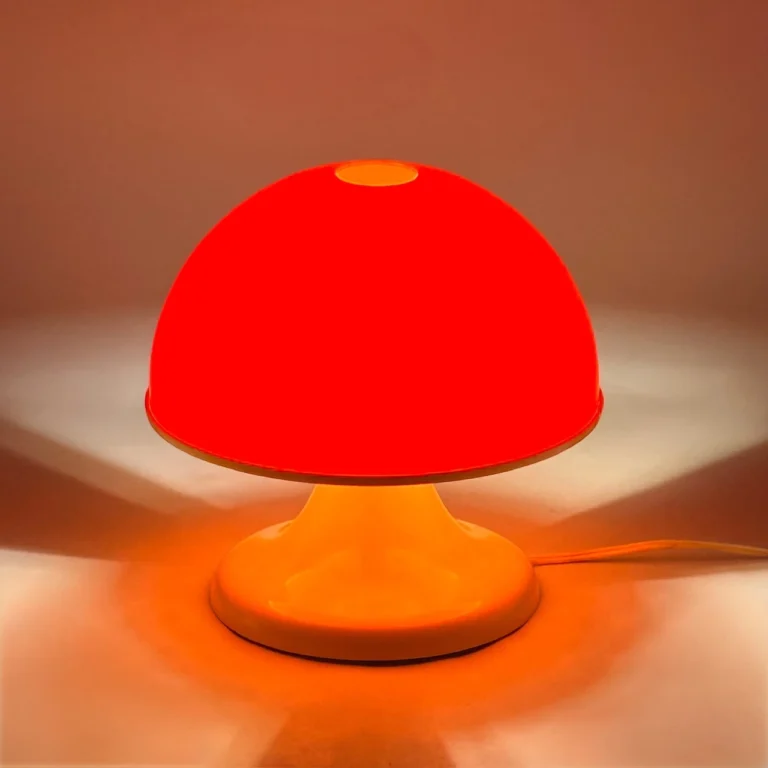
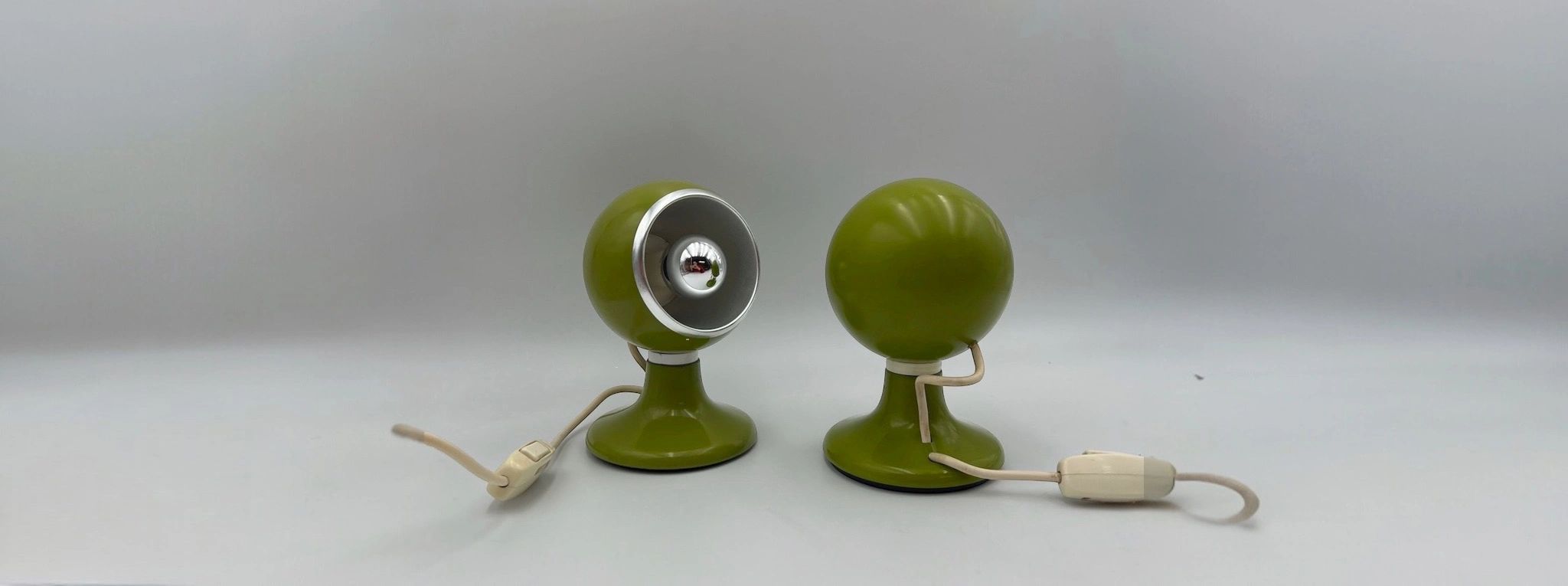
Bold color, soft geometry and molded plastic construction make this lamp a perfect representation of the optimistic spirit that defined European plastic design during the 1970s.
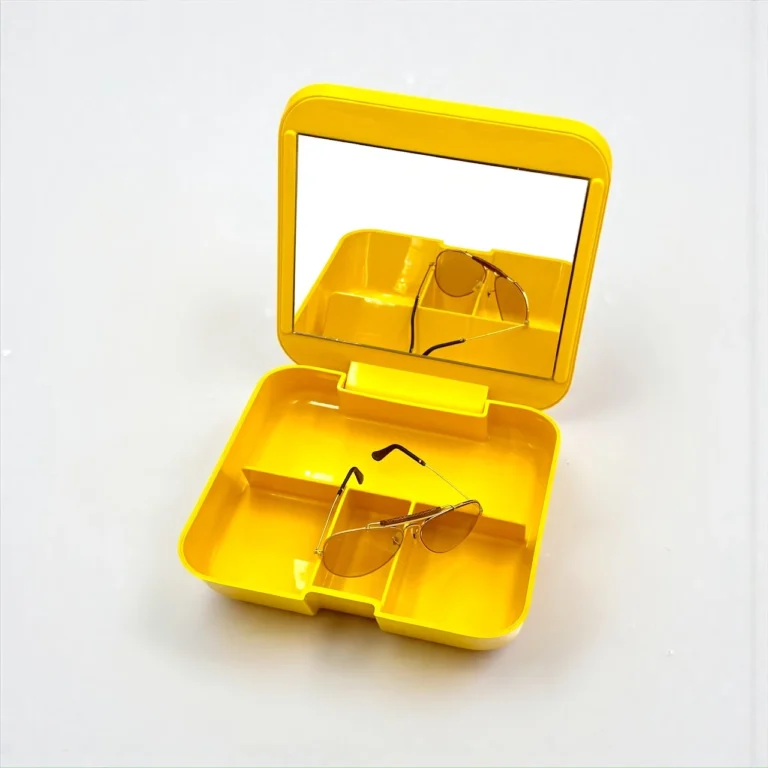
Designed for everyday use yet visually striking, this compact vanity box demonstrates how even the smallest domestic objects became vehicles for experimentation and innovation.
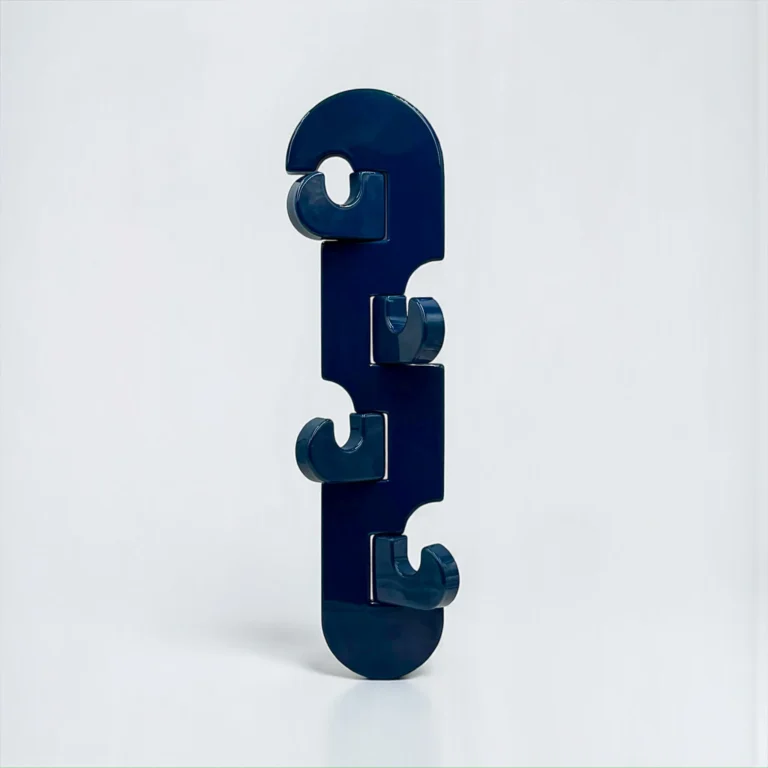
More than a simple coat rack, this sculptural wall-mounted piece transforms a functional household object into a graphic design statement. Its bold blue plastic structure highlights the freedom, versatility and expressive potential that made plastic such a revolutionary material in modern interiors.
More than fifty years later, Plastic Fantastic design continues to feel surprisingly relevant.
The same qualities that made these objects revolutionary in the 1960s and 1970s remain attractive today: lightweight construction, visual clarity, bold color, and an optimistic approach to everyday life.
Unlike many nostalgic design trends, Plastic Fantastic objects often integrate naturally into contemporary interiors. Their sculptural forms, playful proportions, and functional simplicity allow them to coexist comfortably with modern architecture and minimalist spaces.
Far from being merely vintage curiosities, these objects remain compelling examples of how innovative materials can reshape the way we live, interact, and imagine the future.