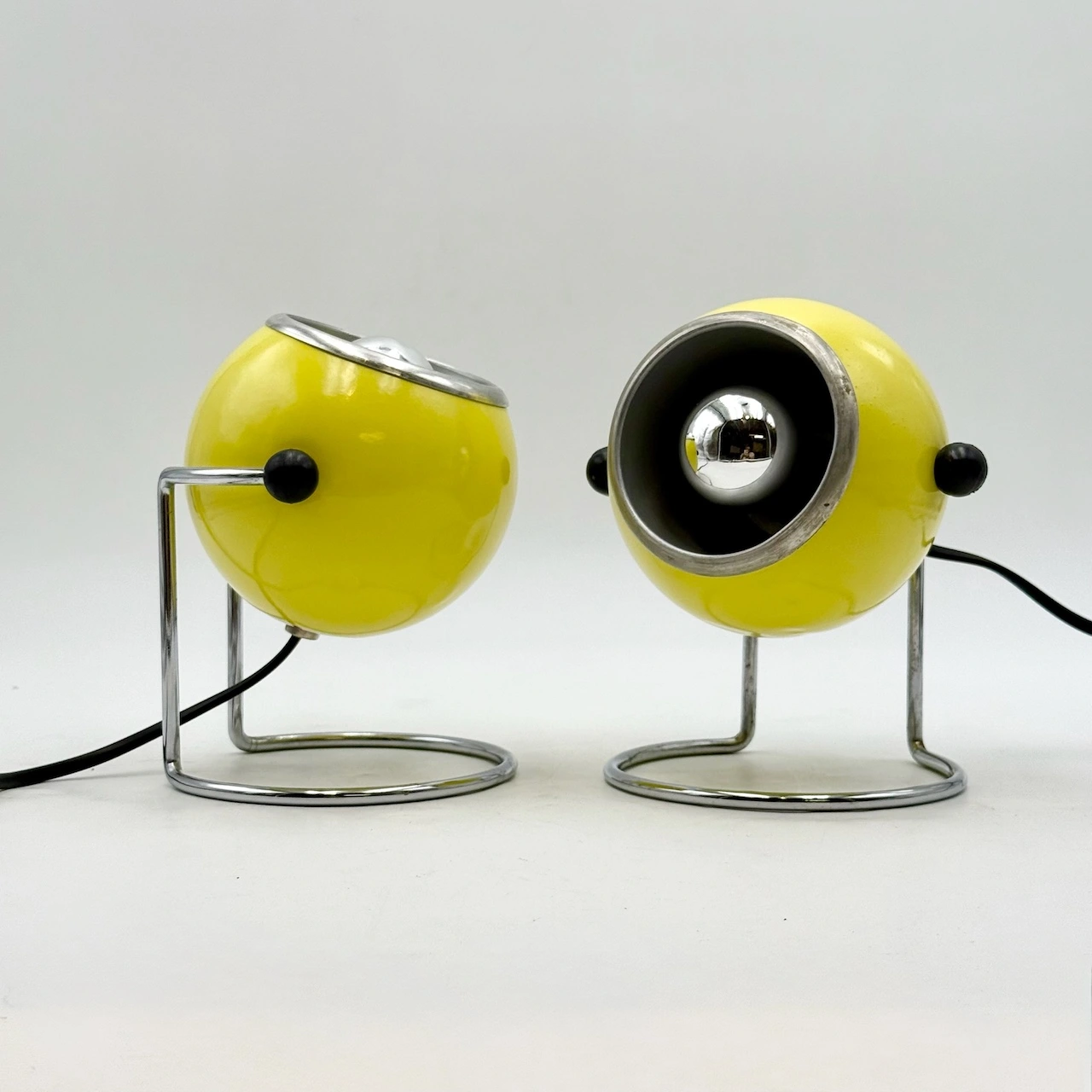


More than storage — a mobile system shaped by the Space Age vision of living.
The Boby Trolley by Joe Colombo is not simply a storage unit — it is a radical rethinking of how objects function in space.
Designed in the late 1960s, it introduced mobility, modularity, and immediate accessibility into everyday life. Storage was no longer static, no longer hidden — but designed to move with you.
Its rotating compartments and compact structure make it as practical today as it was visionary at the time.
A system, not a container.
Before the Boby Trolley, storage was something fixed — cabinets, drawers, objects anchored to walls or floors.
Joe Colombo imagined something different.
A piece that could follow the user, adapt to changing needs, and transform depending on context. The Boby Trolley reflects this vision perfectly: a modular system that behaves almost like an extension of the body.
Designed in 1969 and awarded at SMAU in 1971, it quickly became an icon of Italian modernist design.
Designed to move — not to stay.
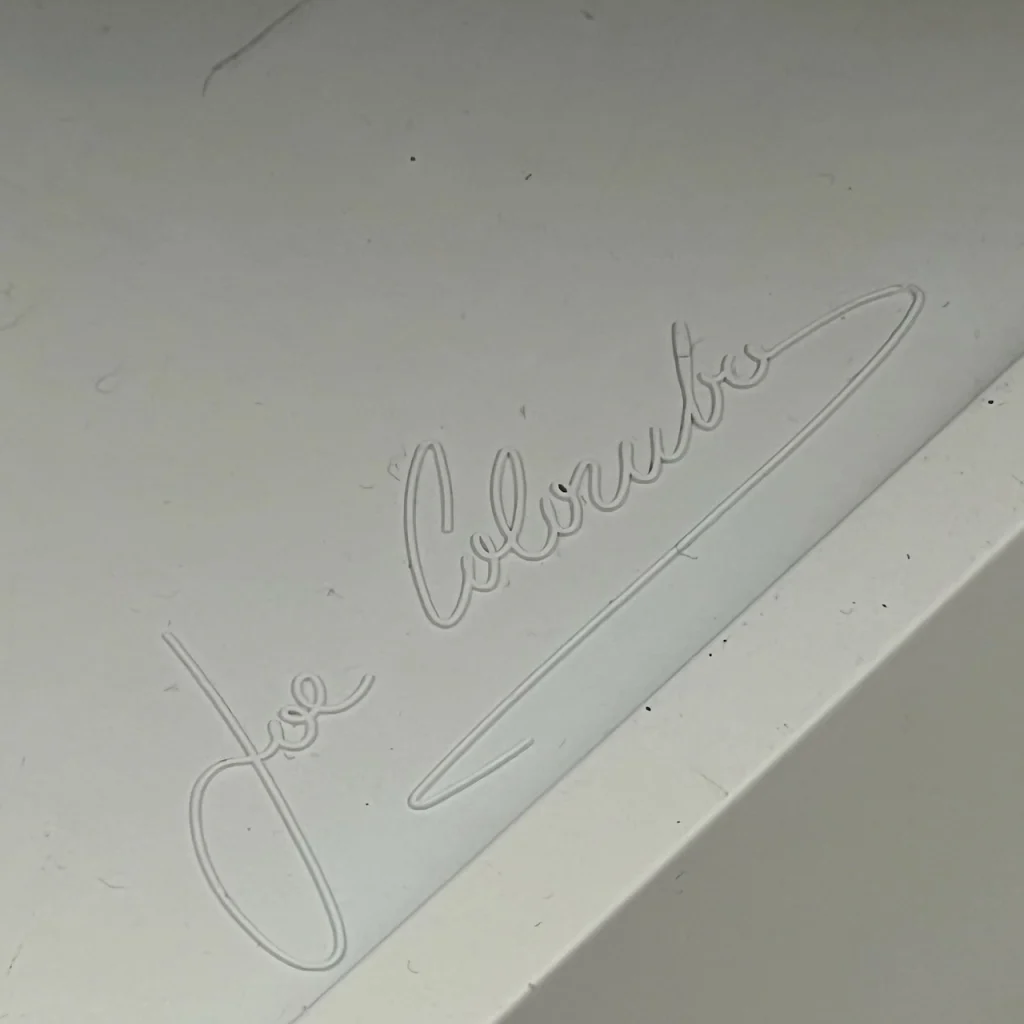
The use of ABS plastic was not just a material choice — it was a statement.
Lightweight, durable, and industrial, plastic allowed forms that traditional materials could not achieve. Smooth curves, integrated compartments, and a compact yet highly functional structure.
In the Space Age era, plastic represented the future.
The Boby Trolley captures that moment perfectly.
Even today, its material language feels surprisingly contemporary.
The Boby Trolley is not designed to disappear into a space.
It is meant to be used.
Its rotating drawers, vertical structure, and mobility transform storage into an active system — something you interact with continuously.
Originally conceived for studios and workspaces, it naturally extends into domestic interiors, adapting to different functions: office storage, bathroom organizer, bedside unit.
Function becomes architecture.
More than fifty years later, the reasons behind its success remain unchanged:
– modular compartments with immediate access
– rotating elements for efficient organization
– compact footprint combined with high capacity
– mobility through integrated wheels
Every detail serves a purpose. Nothing is decorative without being functional.
Storage, but in motion.
What makes the Boby Trolley truly interesting today is its ability to move across contexts.
It fits naturally into modern interiors, creative studios, minimal spaces, and eclectic environments.
It does not impose a style — it adapts to it.
This flexibility is what keeps it relevant, not as a nostalgic object, but as a living piece of design.
Over time, the Boby Trolley has moved beyond pure functionality.
It has become a collectible.
Recognized internationally, included in museum collections such as MoMA, and sought after by design enthusiasts, it represents a key moment in the evolution of industrial design.
Owning one is not only about use — it is about participating in a design legacy.
Built in durable ABS plastic, the Boby Trolley is designed to last.
Simple care is enough to preserve its condition:
a soft cloth, mild cleaning products, and attention to surfaces.
Its strength lies in its simplicity.
The Boby Trolley does not belong to the past.
It belongs to a way of thinking that still feels unfinished.
A system designed to adapt, to move, to evolve.
And perhaps that is why, decades later, it still feels ahead of us.
More than storage — a mobile system shaped by the Space Age vision of living.
The Boby Trolley by Joe Colombo is not simply a storage unit — it is a radical rethinking of how objects function in space. Designed in the late 1960s, it introduced mobility, modularity, and immediate accessibility into everyday life. Storage no longer needed to be static or hidden — instead, it was engineered to move with you. Its rotating compartments and compact structure make it as practical today as it was visionary at the time. A system, not just a container.
Before the Boby Trolley, storage was something fixed — heavy cabinets, rigid drawers, and objects permanently anchored to walls or floors. Joe Colombo imagined something entirely different: a piece that could follow the user, adapt to changing needs, and transform depending on the context. The Boby Trolley reflects this vision perfectly: a modular system that behaves almost like an extension of the body. Designed in 1969 and awarded at SMAU in 1971, it quickly became an icon of Italian modernist design. Designed to move — not to stay.
The use of ABS plastic was not just a material choice — it was a statement. Lightweight, durable, and industrial, plastic allowed forms that traditional materials could never achieve: smooth curves, integrated compartments, and a compact yet highly functional structure. In the Space Age era, plastic represented the future. The Boby Trolley captures that moment perfectly, and even today, its material language feels surprisingly contemporary.
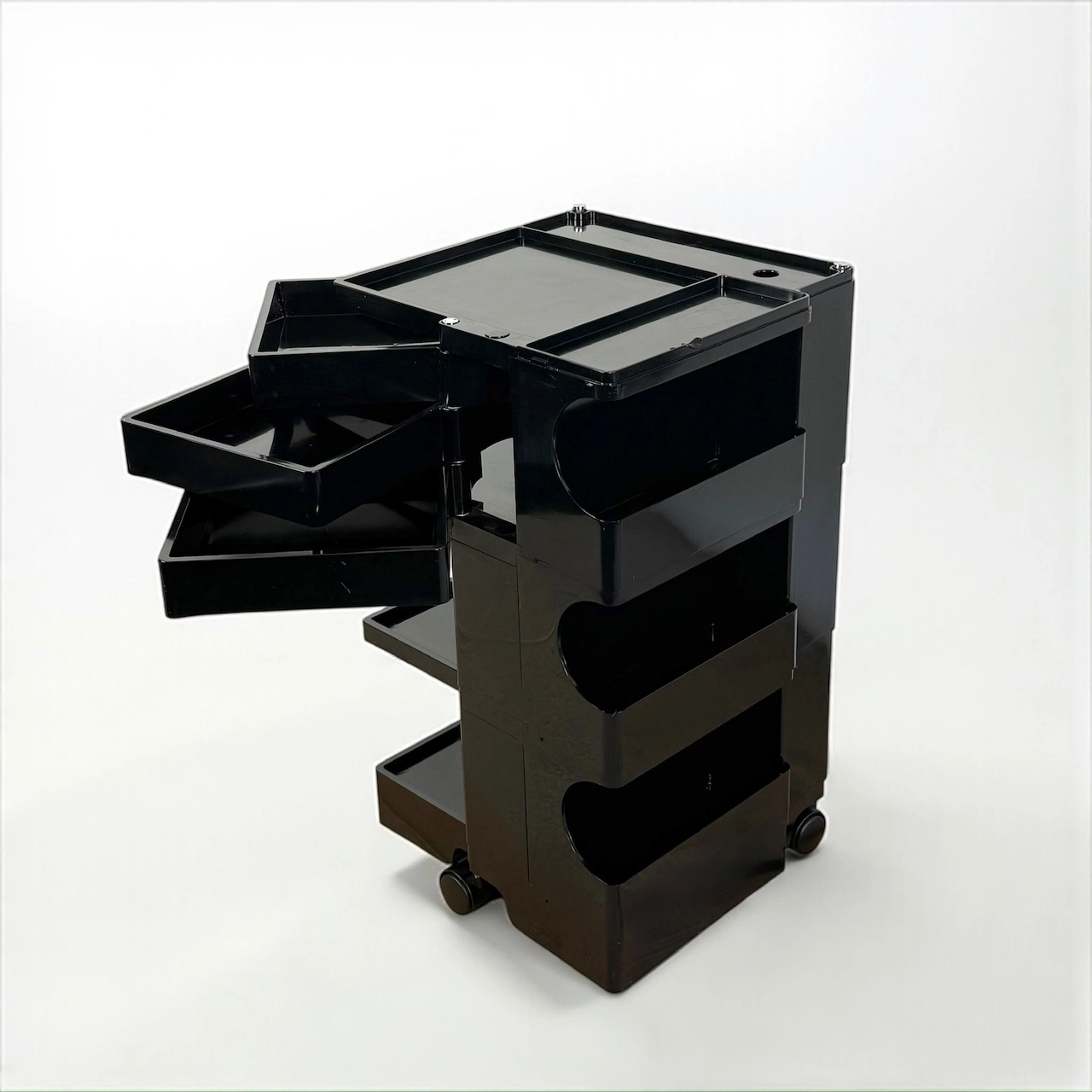
Rare black Joe Colombo Boby Trolley, Italy 1970s. The tall glossy version of Colombo’s modular masterpiece with rotating drawers, side compartments and wheels (archive record - not available).
VIEW ARCHIVE PIECE →The Boby Trolley is not designed to disappear quietly into a space; it is meant to be used actively. Its rotating drawers, vertical structure, and mobility transform storage into an interactive system you engage with continuously. Originally conceived for studios and professional workspaces, it naturally extends into domestic interiors, adapting effortlessly to different functions: office storage, bathroom organizer, or bedside unit. Function truly becomes architecture.
More than fifty years later, the reasons behind its enduring success remain unchanged:
Every detail serves a precise purpose. Nothing is purely decorative without being functional. Storage, but in motion.
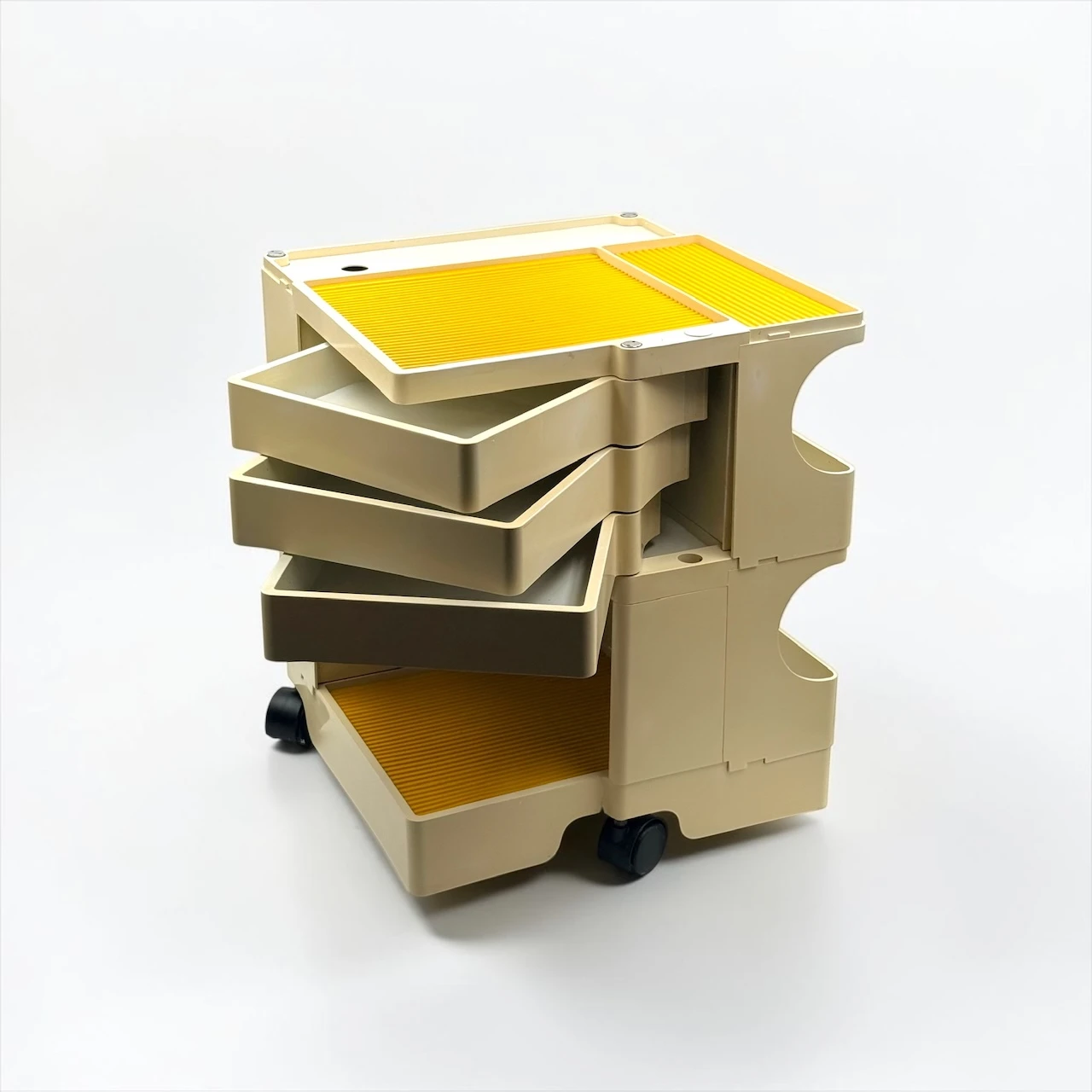
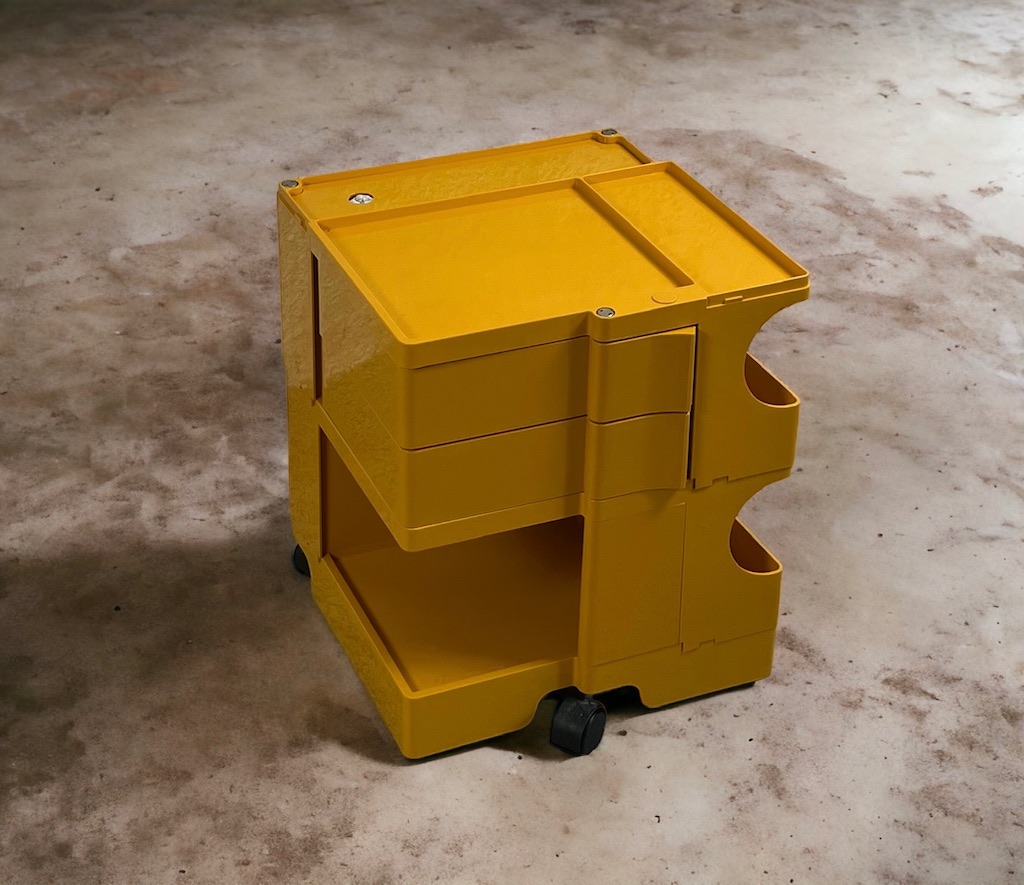
An original Joe Colombo Boby trolley for Bieffeplast, in the compact low configuration with three rotating drawers. Finished in off-white ABS, this rare vintage example is made particularly distinctive by its original yellow ribbed anti-slip mats, preserved from the period.
VIEW AVAILABLE PIECE →What makes the Boby Trolley truly interesting today is its incredible ability to cross contexts. It fits naturally into modern residential interiors, creative studios, minimalist spaces, and eclectic environments alike. It does not impose a rigid style — it adapts to it. This flexibility is what keeps it relevant, not as a nostalgic object, but as a living piece of design.
Over time, the Boby Trolley has moved far beyond pure functionality. It has become a coveted collectible. Recognized internationally, permanently included in museum collections such as the MoMA in New York, and sought after by design enthusiasts worldwide, it represents a watershed moment in the evolution of industrial design. Owning one is not only about practical use — it is about participating in an extraordinary design legacy.
Built in durable ABS plastic, the Boby Trolley is engineered to last. Simple care is enough to preserve its original condition: a soft cloth, mild cleaning products, and attention to surfaces. Its enduring strength lies in its thoughtful simplicity.
The Boby Trolley does not belong to the past. It belongs to a way of thinking about space that still feels remarkably unfinished. A system designed to adapt, to move, to evolve. And perhaps that is why, decades later, it still feels ahead of us.
Receive curated updates on newly arrived Italian design masterpieces, rare Space Age storage drops, and exclusive editorial stories directly in your inbox.
The Boby Trolley was designed by Joe Colombo in 1969 and was awarded first prize at the SMAU exhibition in Milan in 1971.
Original Boby trolleys are crafted using durable injection-molded ABS plastic, combined with polypropylene drawers and pivoting nylon casters.
Vintage models from the 1970s produced by Bieffeplast often feature specific manufacturer stampings, authentic period patina, and specific hardware details characteristic of early Italian manufacturing.
Discover more pieces that capture the spirit of 1970s modular living, architectural storage, and timeless Italian design.
 Shop Collection
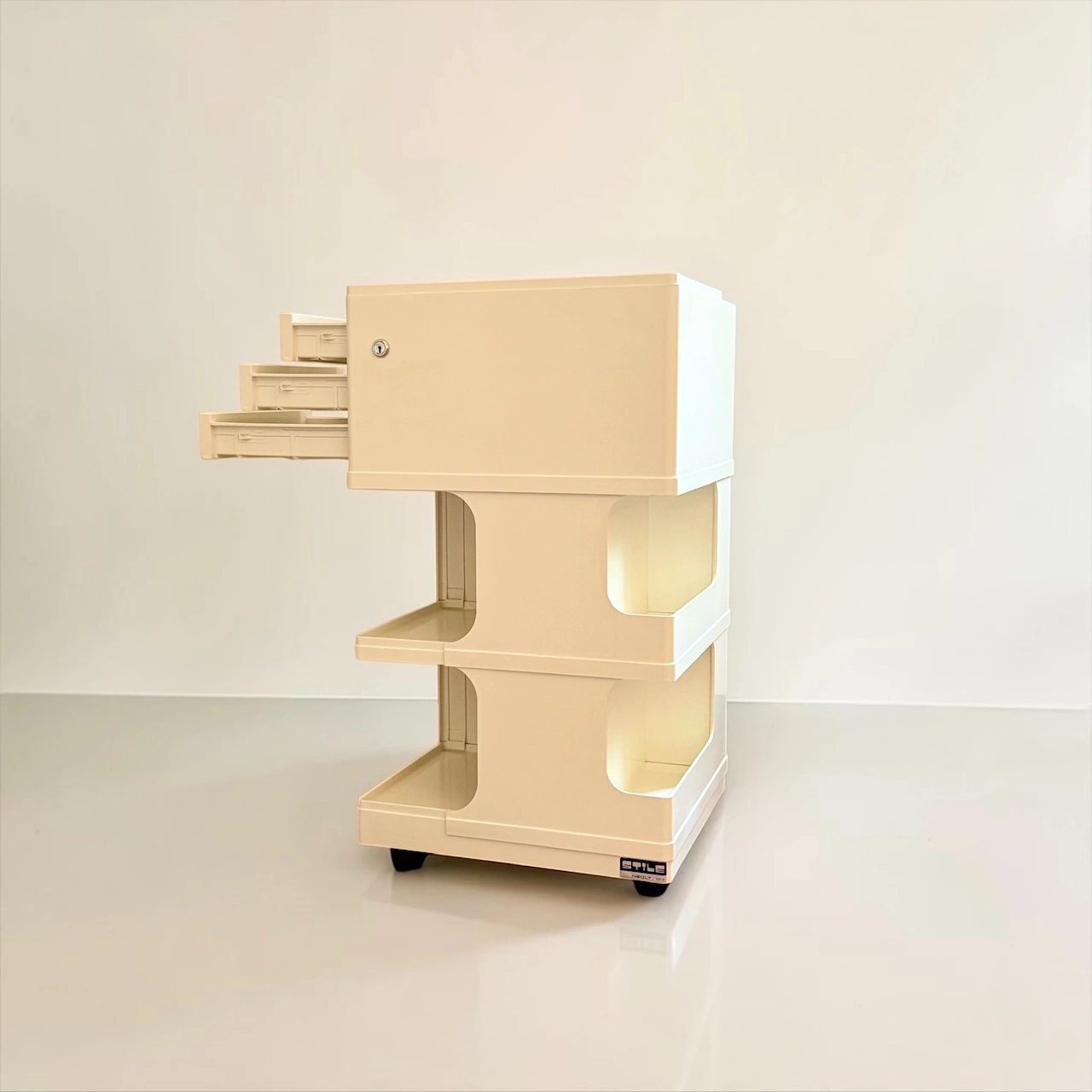
Explore modular storage, architectural trolleys, and iconic 1970s Italian design pieces.
 Shop Collection
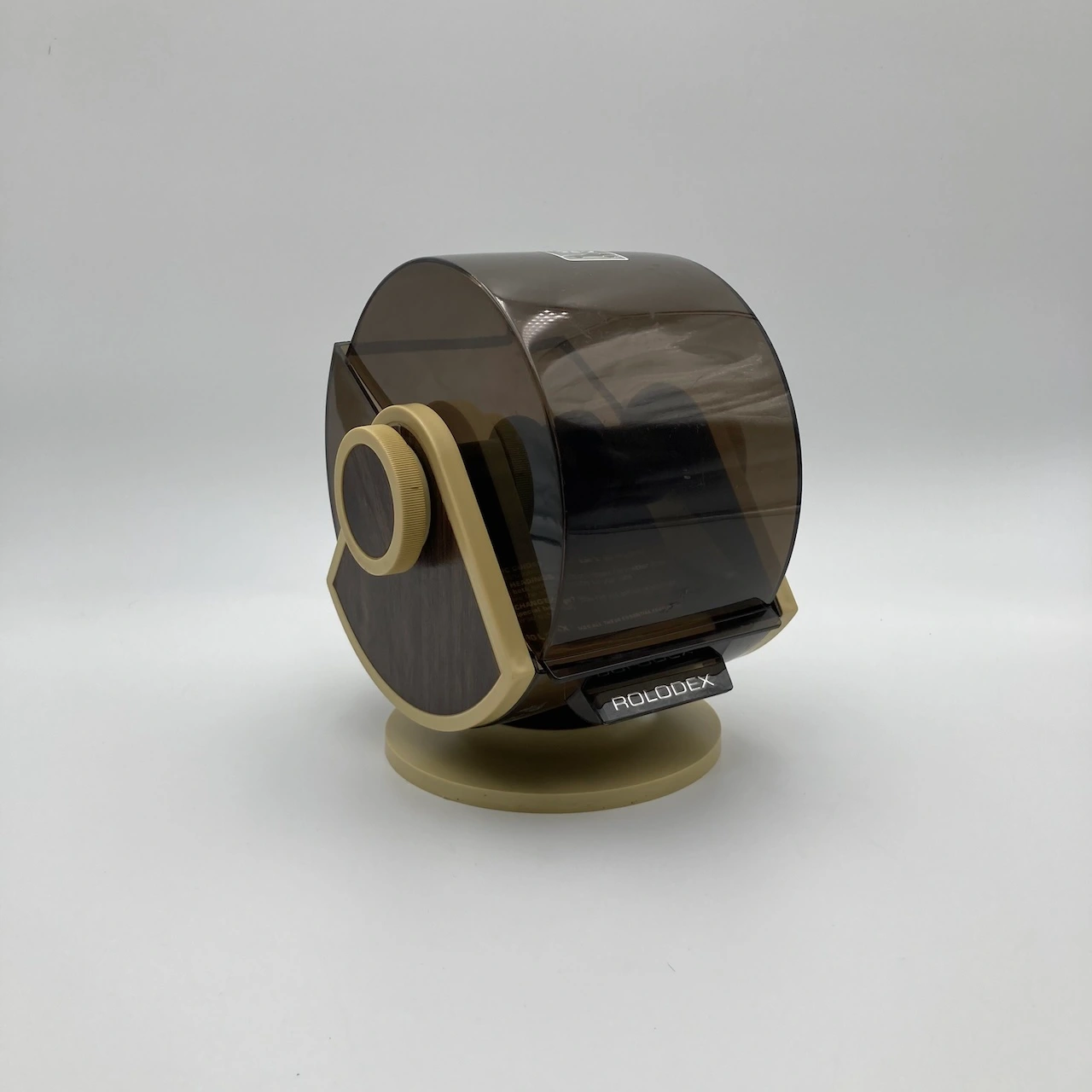
Browse rare accent objects, desk accessories, and graphic details from the Space Age era.