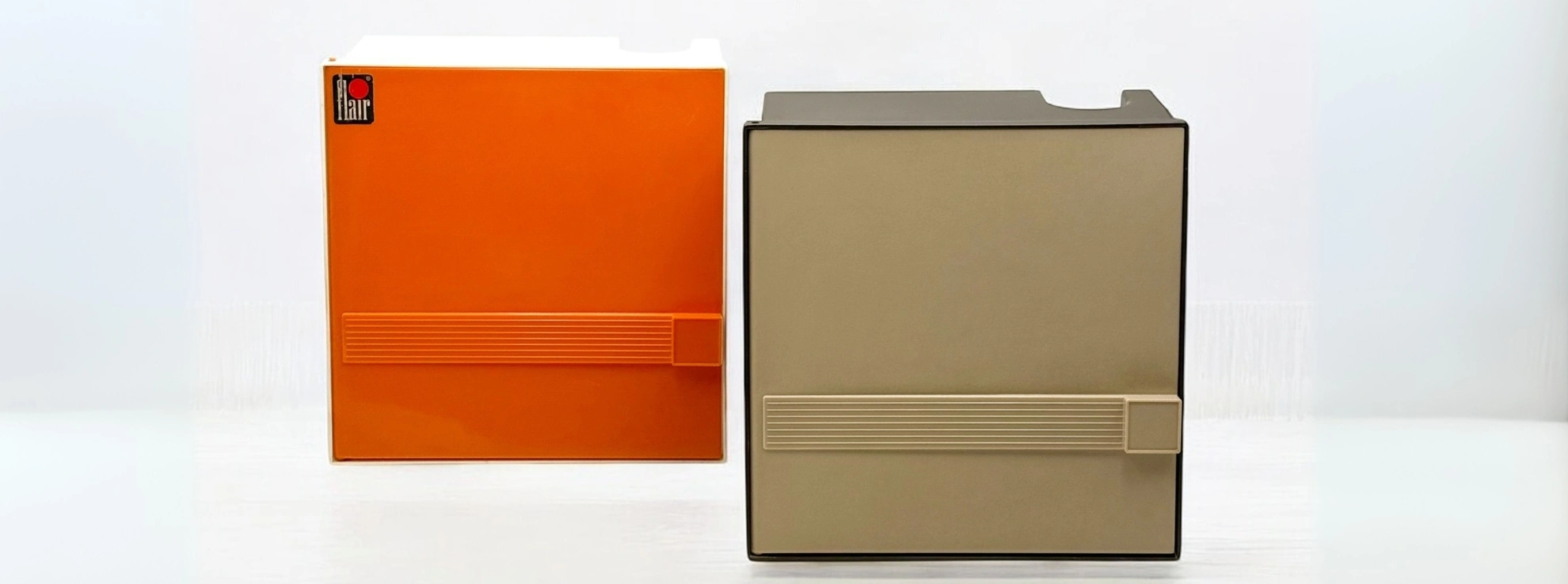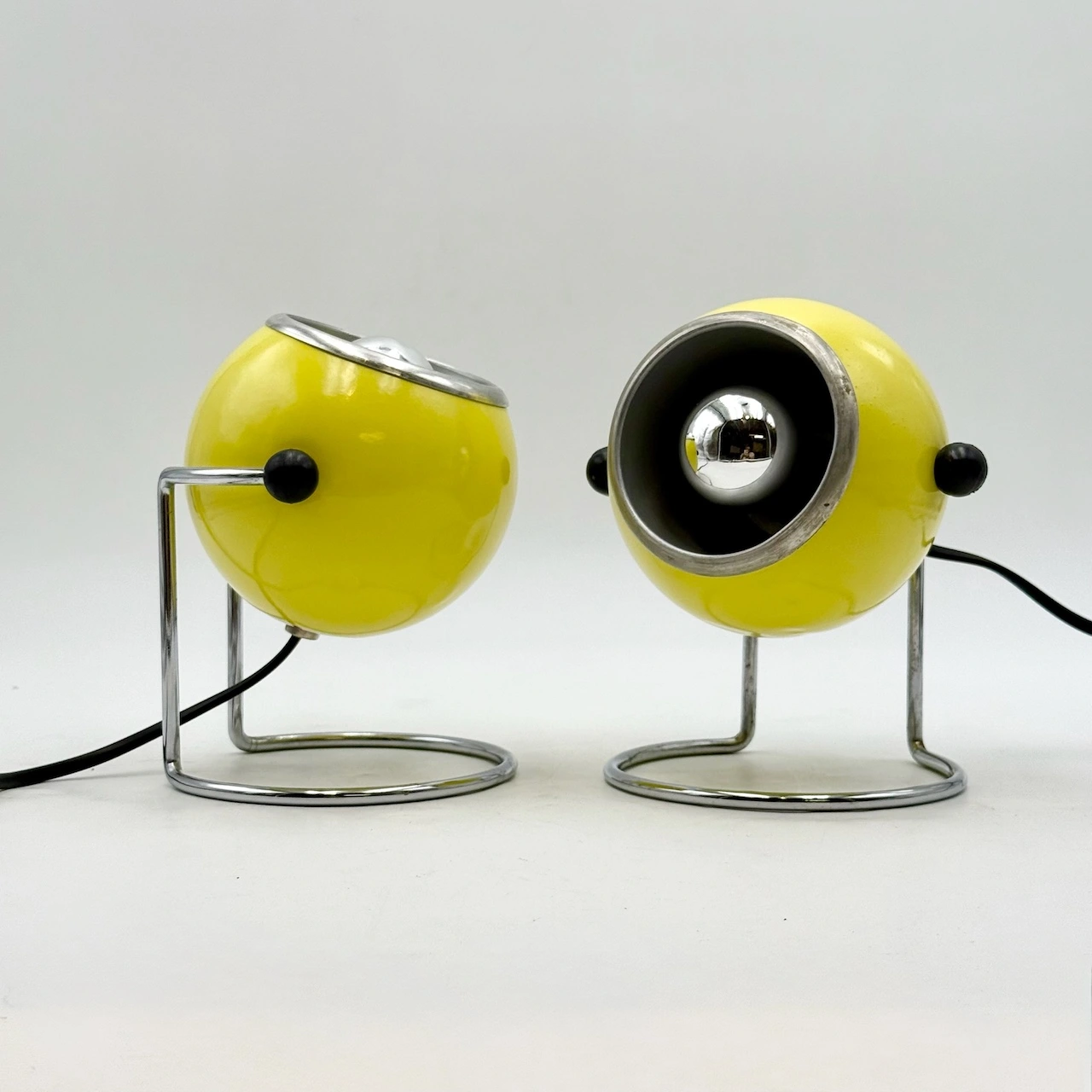
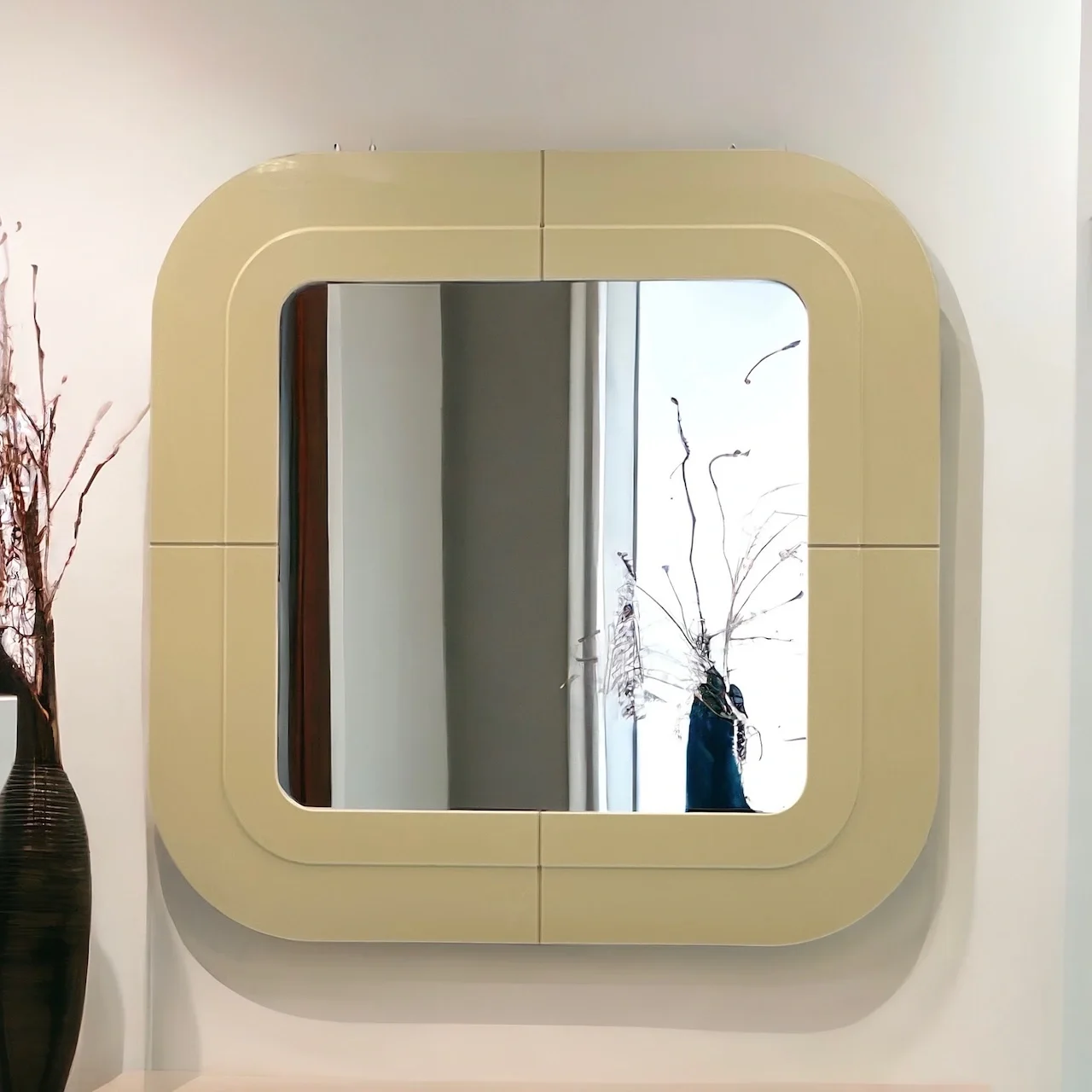
Italian plastic design changed the way homes looked and worked. In the late 1960s and 1970s, a cohort of Italian makers and designers used moulded plastic to create objects that were functional, accessible, and joyful. Their pieces were bright, smart, and for everyone—quiet icons that still feel startlingly modern today.
Today, these objects are increasingly rare. And at a time when contemporary production often feels homogenised, they offer something we can’t replicate: a distinctive blend of bold form and everyday practicality—with a sustainability story baked in. Welcome to the unsung chapter of Italy’s plastic design movement.
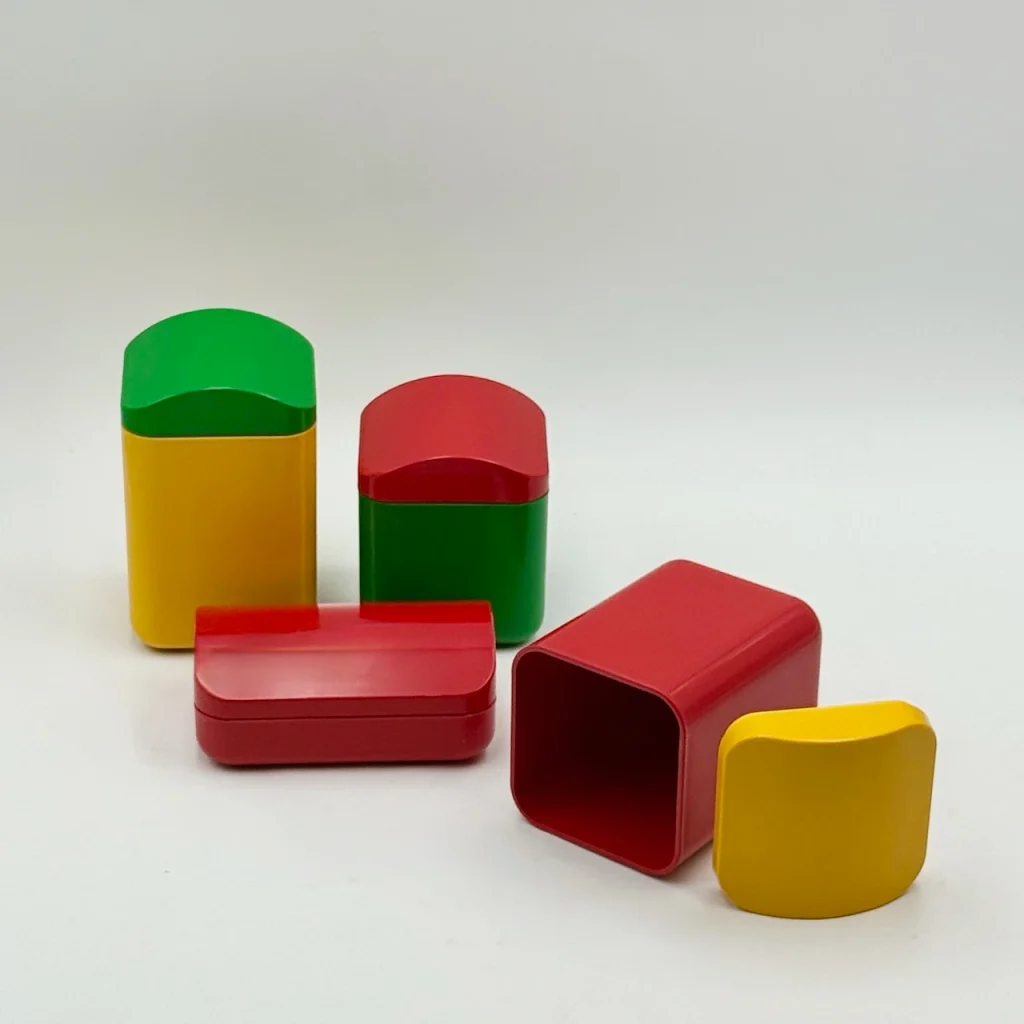
Plastic didn’t just change what objects looked like; it changed how they were used. It enabled seamless curves, stackable geometries, and witty multi-functions that would’ve been costly—or impossible—in wood or metal. The palette exploded: vibrant reds, oranges, yellows, creamy whites. Finishes ran from glossy to satin. Silhouettes became pop, rounded, and democratic.
This was design for the kitchen, the bathroom, the entryway—the intimate places where form and function actually meet your hands.

The engine of Italian plastic design was industrial: agile factories that embraced injection moulding, colour mastery, and smart modular tooling to serve everyday life. Companies like Gedy, Velca, Vastill, and Bilumen translated pop-era optimism into durable, affordable objects for halls, bathrooms, kitchens, and kids’ rooms. Their output proves that practicality and personality can coexist—clean lines, bright finishes, and clever details designed to work hard and look joyful.
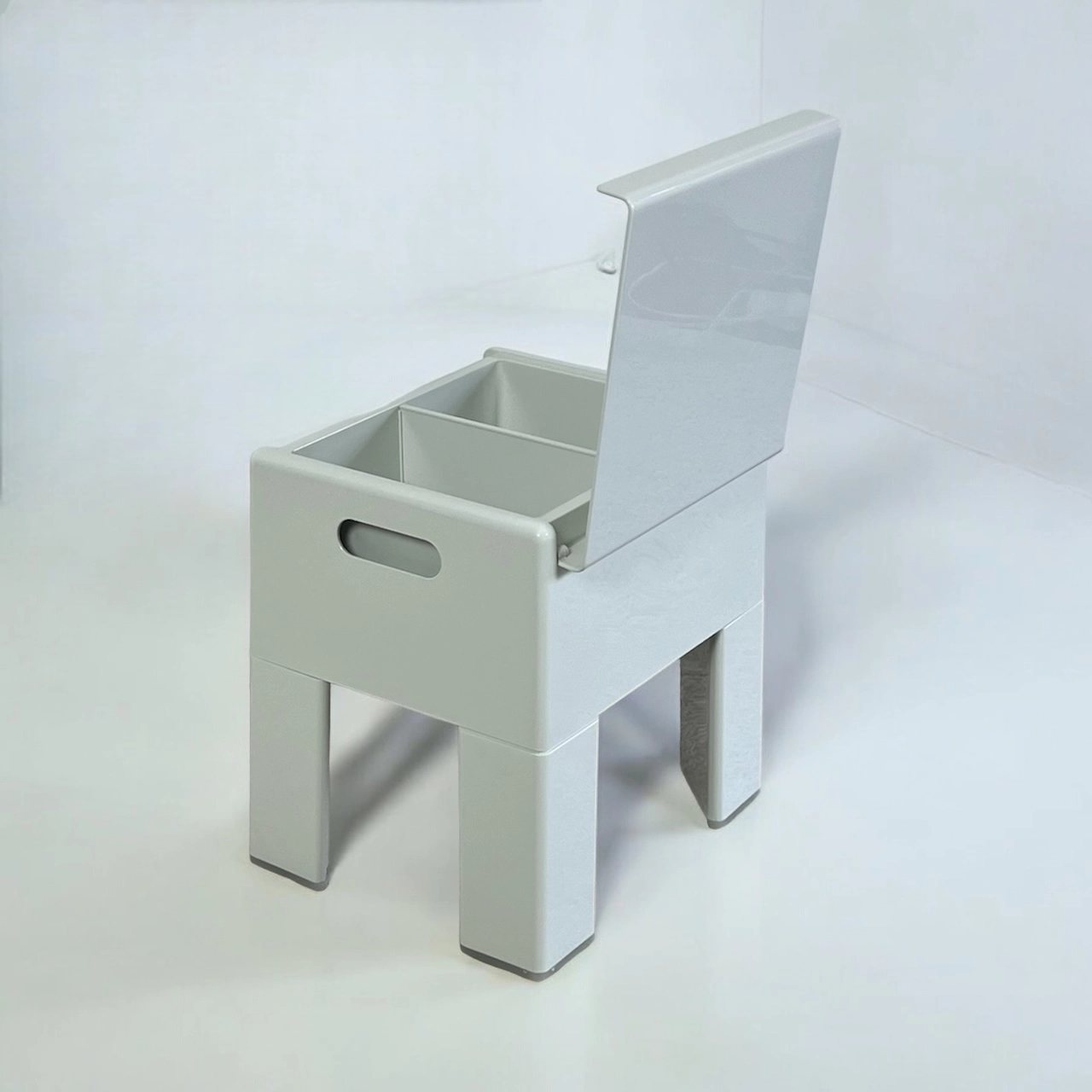
👉 See it here: Gedy Vanity Box by Makio Hasuike
Behind the factories stood designers who treated plastic as a medium for clarity, ergonomics, and wit. Carlo Bartoli, Ambrogio Rossari, Olaf von Bohr, Makio Hasuike, and Michael McCann refined familiar rituals—hanging a coat, storing toiletries, taking a seat—until form and function clicked. Their pieces read like distilled ideas: bold, legible shapes that are easy to use, easy to clean, and unexpectedly uplifting in daily life. Carlo Bartoli and Giorgina Castiglioni translated architectural clarity into tactile, approachable forms.
They shared a belief: good design could (and should) be accessible—not just priced for galleries.
Before diving into specific makers, it helps to recognise the shared DNA of Italian plastic design. These recurring traits make identification easier and explain why the pieces still feel fresh and useful today.
Moulded construction for seamless curves, easy cleaning, and durability
Bold silhouettes that read from across the room—simple circles, cylinders, grids
Vibrant colours that energise neutral spaces (and photograph beautifully)
Multi-functionality: storage that seats, hooks that sculpt, trays that transform
Repairable and keepable: many are single-material builds, easy to clean, and made to last
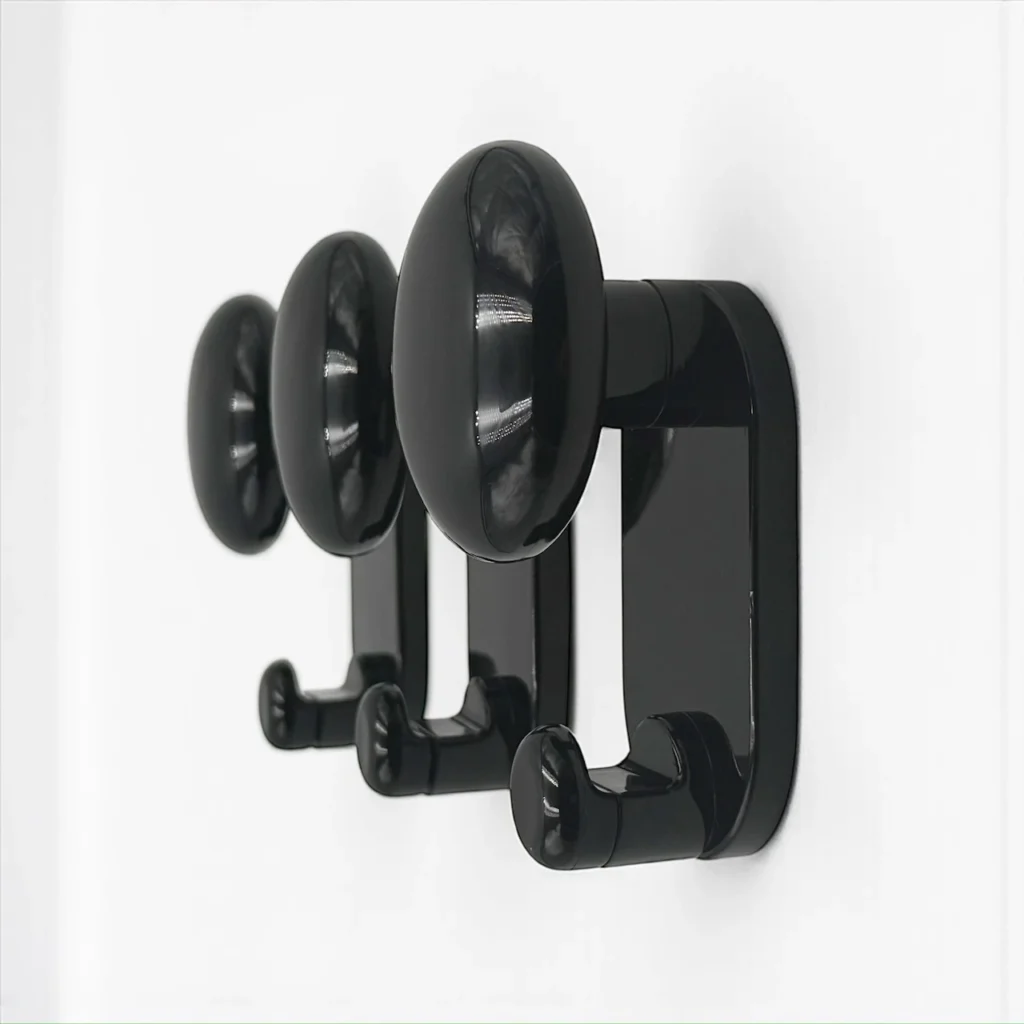
👉 See it here: Modular Wall Hooks by Ambrogio Rossari
Collectors are turning to these works for reasons that go beyond nostalgia. The combination of rarity, practicality, and character delivers standout value—especially as contemporary production grows more uniform.
Rarity: Original examples are harder to find each year—especially in excellent condition
Distinctiveness: The visual identity is unmistakable; you won’t confuse these with today’s generic plastics
Practicality: Light, washable, and perfectly scaled to real homes
Sustainability: Buying vintage is circular by definition; many pieces are single-material and inherently maintainable
Value: As interest widens beyond “big-name” icons, these works offer serious design quality without the museum-tier price tag
Use this quick inspection checklist when you’re evaluating a piece online or in person. It will help you separate true vintage from later lookalikes and choose examples that will last.
Material & finish: Even colour, crisp mould lines, sturdy wall thickness. Micro-scratches are normal; chalking or brittleness suggests UV ageing
Functionality: Hinges should open cleanly; components should snap or rotate with a satisfying precision
Markings: Check undersides and interiors for embossed logos or labels (manufacturer names help, but many authentic pieces are unmarked)
Consistency: Colours between modular parts should be close; odd mismatches can indicate later pairings
These pieces are easy to live with and surprisingly versatile. Use the ideas below to introduce colour and sculptural form without overwhelming your space.
Colour punctuation: Drop a candy-red stool or hook set into a minimalist hallway for instant energy
Grid logic: Install multiple wall modules or hooks in a precise grid; turn storage into a graphic panel
Material contrasts: Pair glossy plastic with raw wood, terrazzo, or brushed steel to balance warm/cool, matte/gloss
Everyday rituals: Elevate the mundane—vanity boxes, planters, and coat racks become micro-architectures of daily life
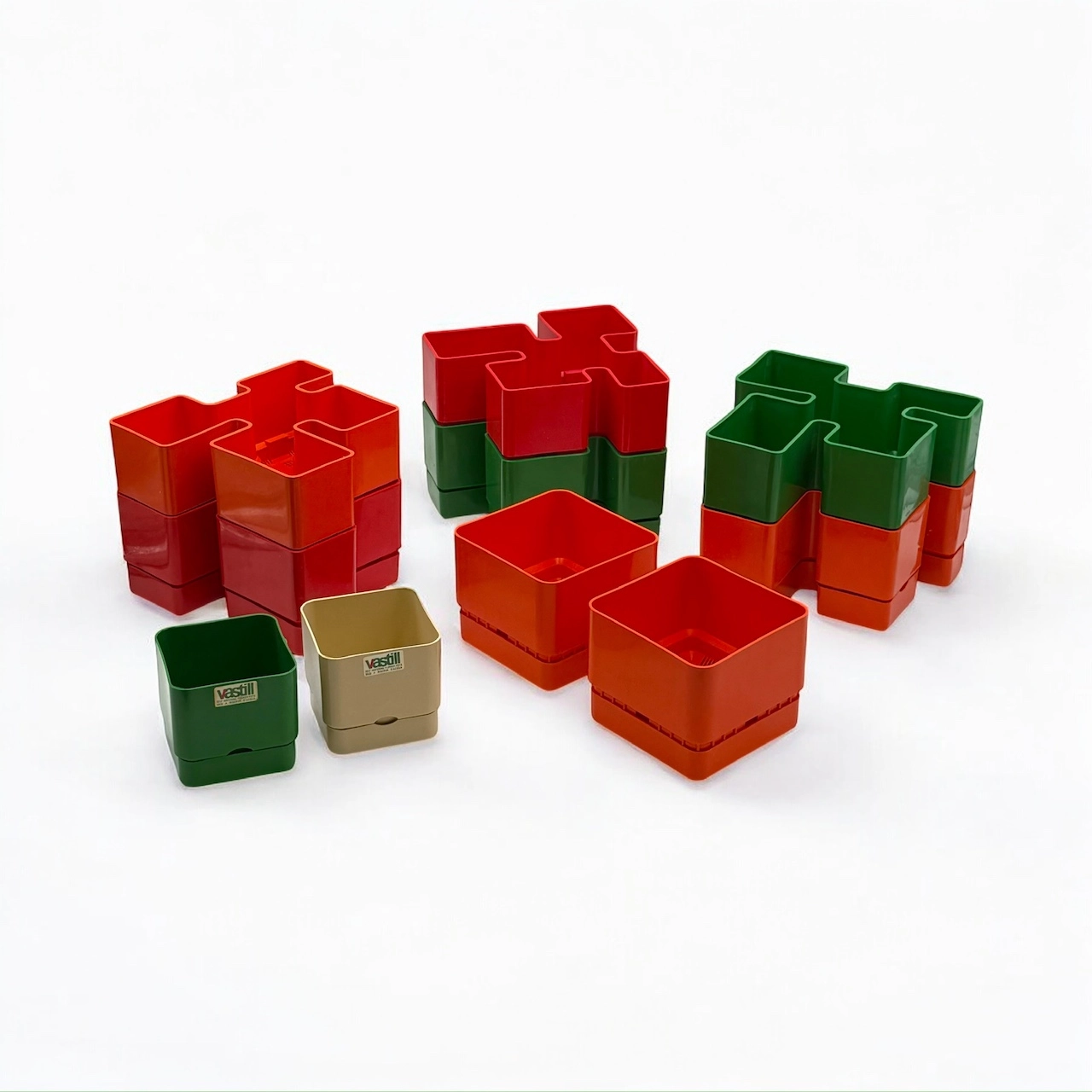
👉 See it here: Modular Planters ‘Scarabeo’ by Michael Mac Cann for Vastill
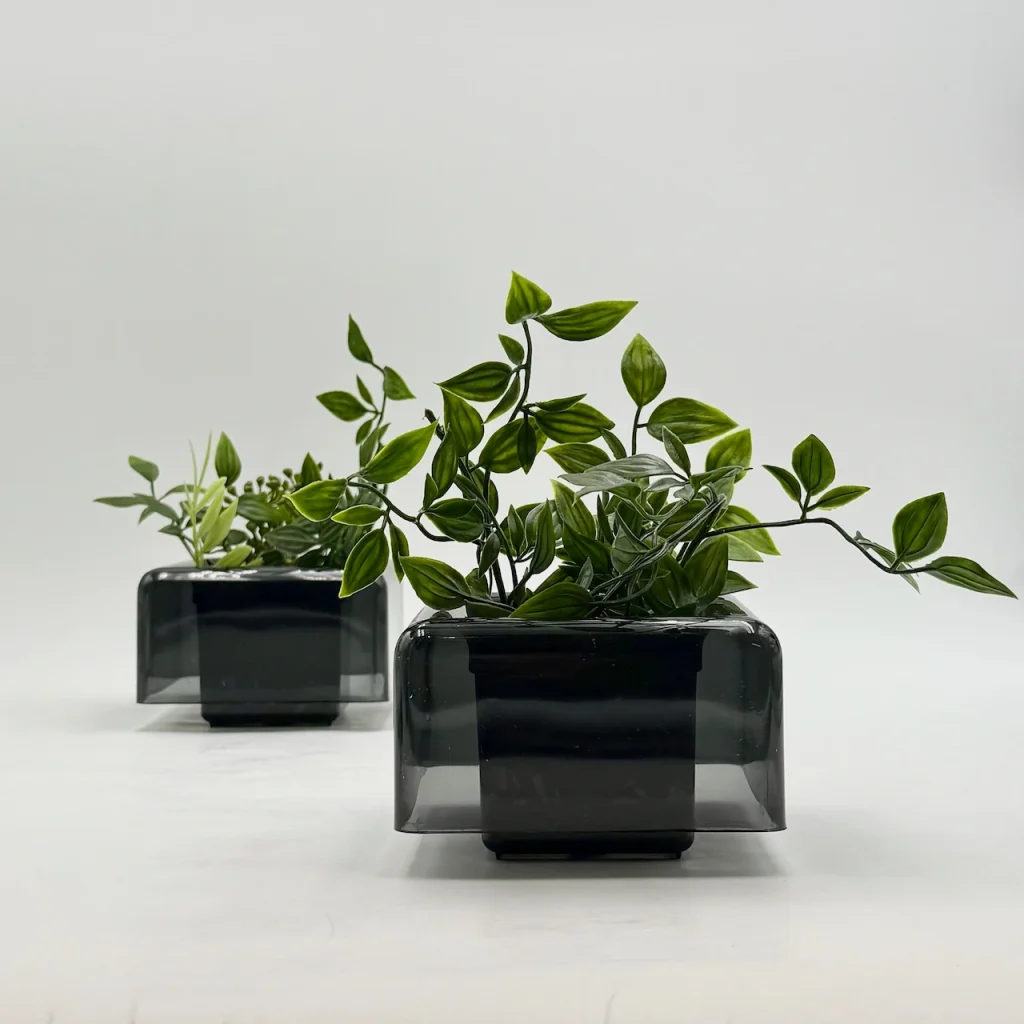
Modular Plastic Planters (1970s) — a trio with integrated practicality and crisp geometry, proof that utility can be joyful.
Explore: https://natavintage.com/modular-plastic-planters-trio-70s/
Velca Benanti Brunori Coat Rack — a hallway sculpture that organises with graphic confidence.
Explore: https://natavintage.com/plastic-coat-rack-velca-benanti-brunori/
Bilumen Wall Hooks (Rare 1980s Set) — pure pop punctuation for entryways, kitchens, or studios.
Explore: https://natavintage.com/italian-design-wall-hooks-bilumen-rare-80s-set/
Makio Hasuike Vanity Box for Gedy — a rotating red cube that turns morning routines into design moments.
Explore: https://natavintage.com/makio-hasuike-red-vanity-box-for-gedy-70s-italian-design/
Ambrogio Rossari Coat Hooks for Gedy — refined simplicity; function distilled to a sculptural gesture.
Explore: https://natavintage.com/red-70s-coat-hooks-by-ambrogio-rossari-for-gedy/
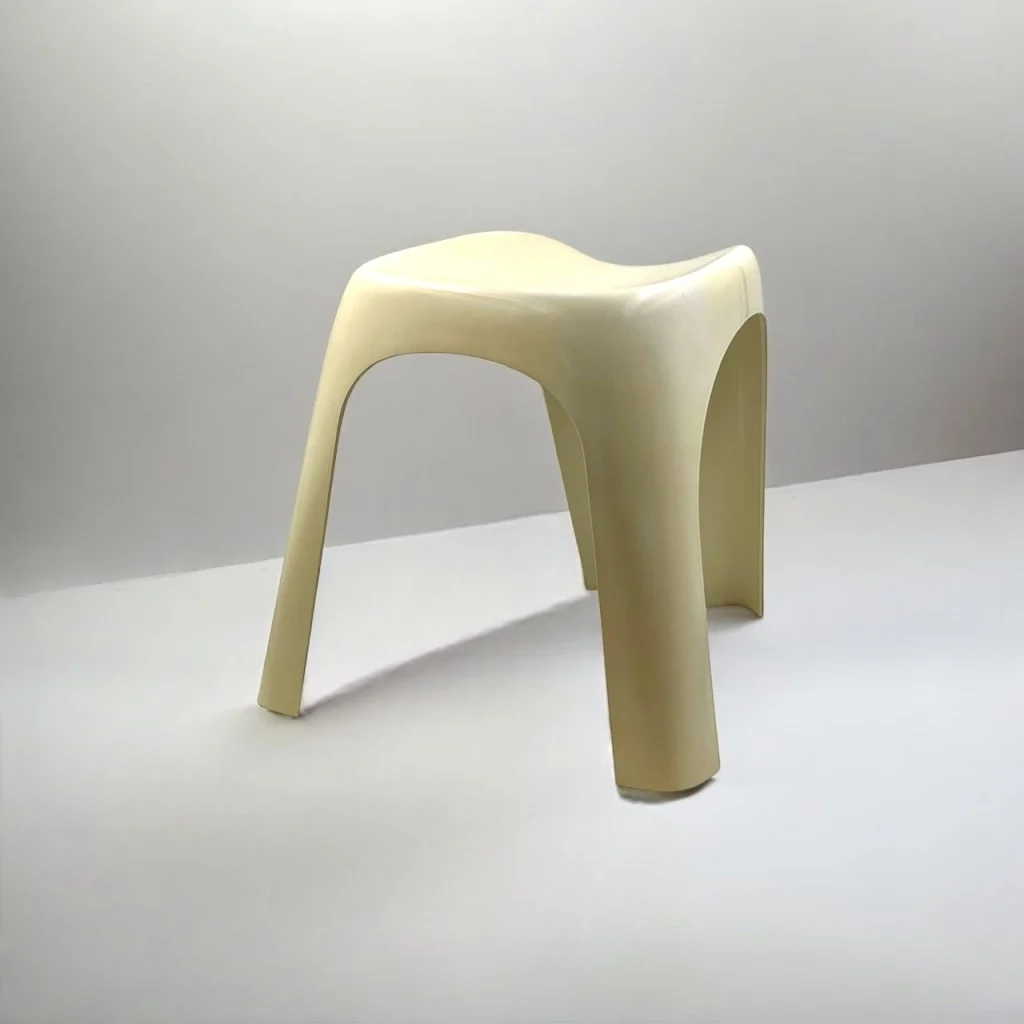
Olaf von Bohr Space-Age Stool for Gedy (1960s) — stackable, graphic, and surprisingly versatile as side table + seat.
Explore: https://natavintage.com/space-age-design-stool-by-olaf-von-bohr-for-gedy-1960s/