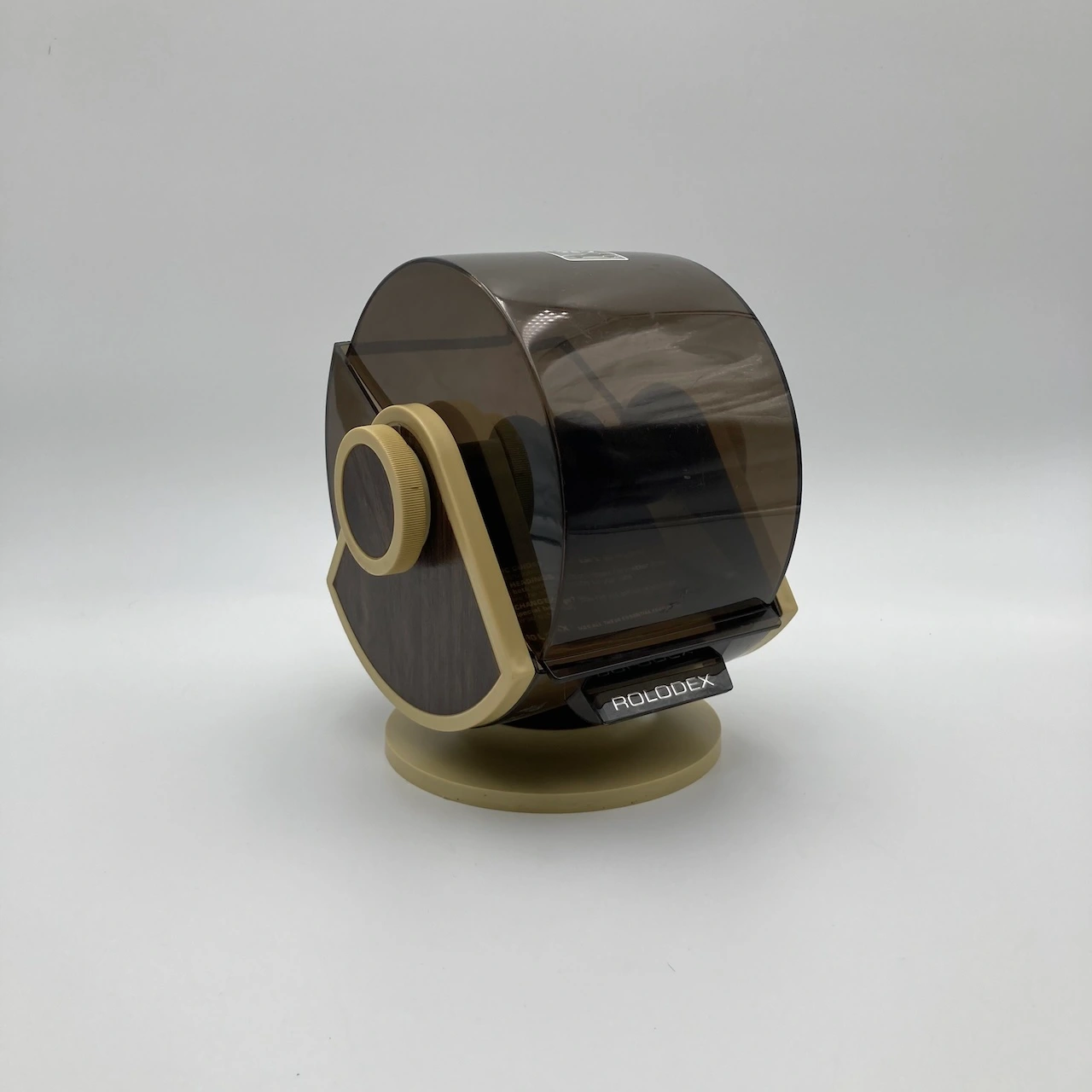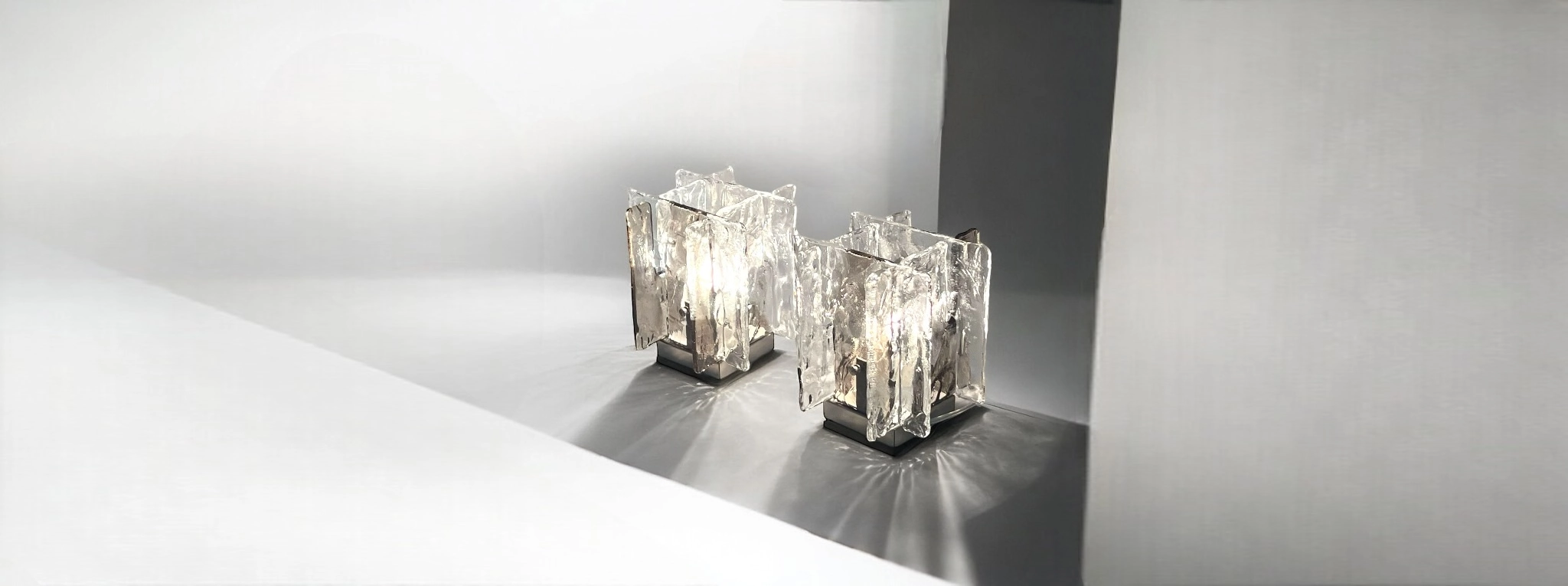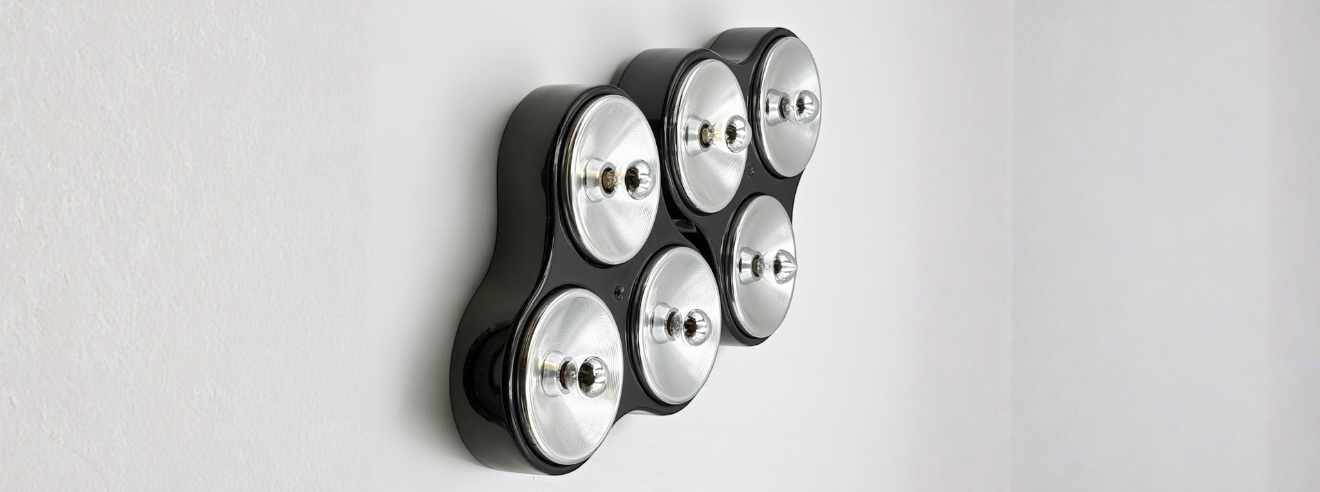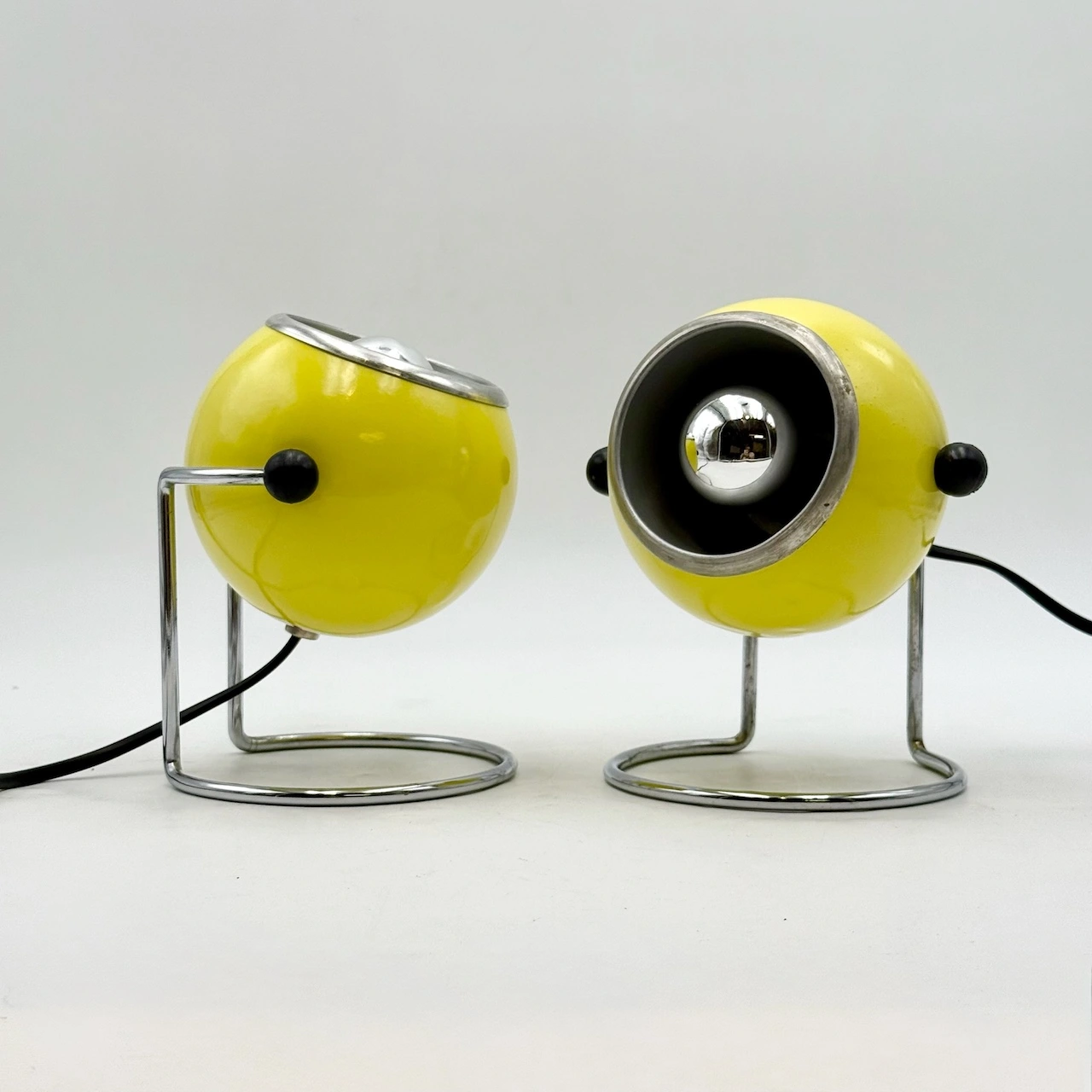


If you’re in pursuit of adding a distinctive touch of retro character and warmth to your living space, embarking on the discovery of 1970s clocks could be your ultimate answer. These exceptional timepieces transcend mere mechanical functionality, embodying the unbridled art, bold optimism, and relentless experimentation of a decade defined by cultural shifts. Whether you find deep fascination in the hypnotic mechanical motion of a digital flip display or the clean, organic geometry of an architectural desk clock, the sophisticated craftsmanship of this era's horology remains entirely unmatched.
From the sleek, aerodynamic profiles of space-age plastic creations to the vibrant, pop-art color palettes of mid-century modern accessories, there is a carefully crafted piece to match every design sensibility and interior philosophy.
This comprehensive guide will take you on a journey through the evolution of 1970s clock design, demonstrating how to seamlessly integrate these archival statements into contemporary homes while understanding what makes them enduring collector's items.
The 1970s were a revolutionary decade steeped in creative audacity across numerous artistic fields, with industrial clock design standing out as a premier canvas for innovation. Clocks gracefully transitioned from being utilitarian household items hidden in the background to becoming sculptural, expressive centerpieces that mirrored the era’s progressive lifestyle and desire for futuristic domestic landscapes.
These timepieces drew profound inspiration from diverse cultural currents, including humanity's fascination with space exploration, bold pop art movements, and the rapid commercialization of synthetic materials. The introduction of injection-molded plastics, vibrant lacquers, and precise electronic movements empowered forward-thinking designers to break away from conventional rectangular silhouettes, turning everyday objects into icons of modern art.
Among the vast panorama of 1970s design, specific typologies capture the utopian spirit of the decade with extraordinary visual flair. Space-age molded plastics, sweeping spherical profiles, and futuristic digital or analog faces reflect an era deeply obsessed with tomorrow.
The engineering brilliance behind digital-mechanical flip clocks—such as the legendary Japanese Copal models—introduced an hypnotic, rhythmic motion to domestic interiors. These pieces relied on precise internal gear systems that flipped number cards with a gentle, satisfying click, a mechanical heartbeat that continues to captivate modern purists.
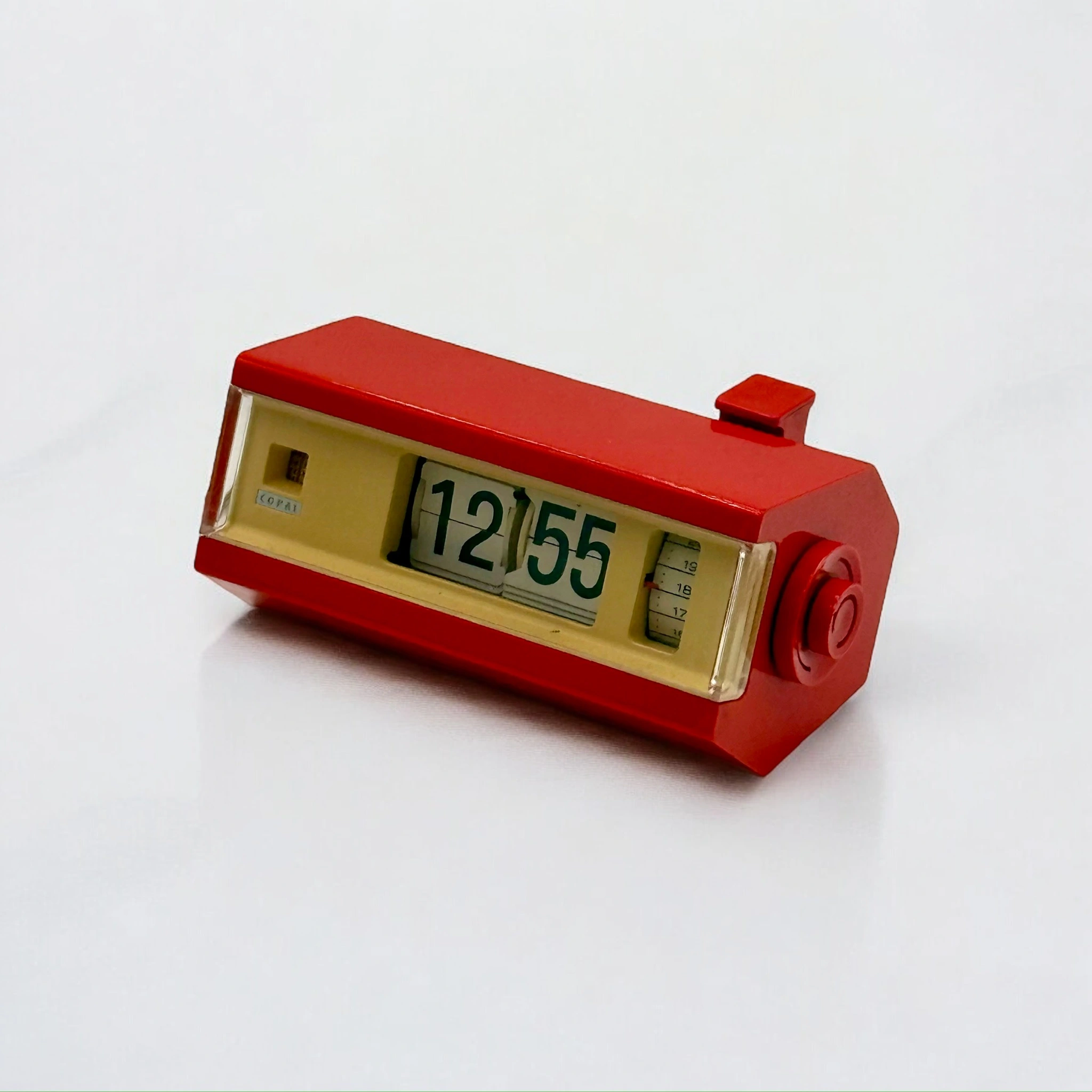
Featuring integrated alarm mechanics and practical soft nightlight utility, a quintessential Japanese mid-century design masterpiece.
*Archival Reference:* Vintage Flip Clock Copal Model 227 → View archive page for details on this sold piece.
Alongside Copal, houses like Seiko pushed the boundaries of functional sculpture by experimenting with high-saturation tones like electric yellows and blazing oranges, turning desk accessories into powerful focal points that commanded attention in any room.
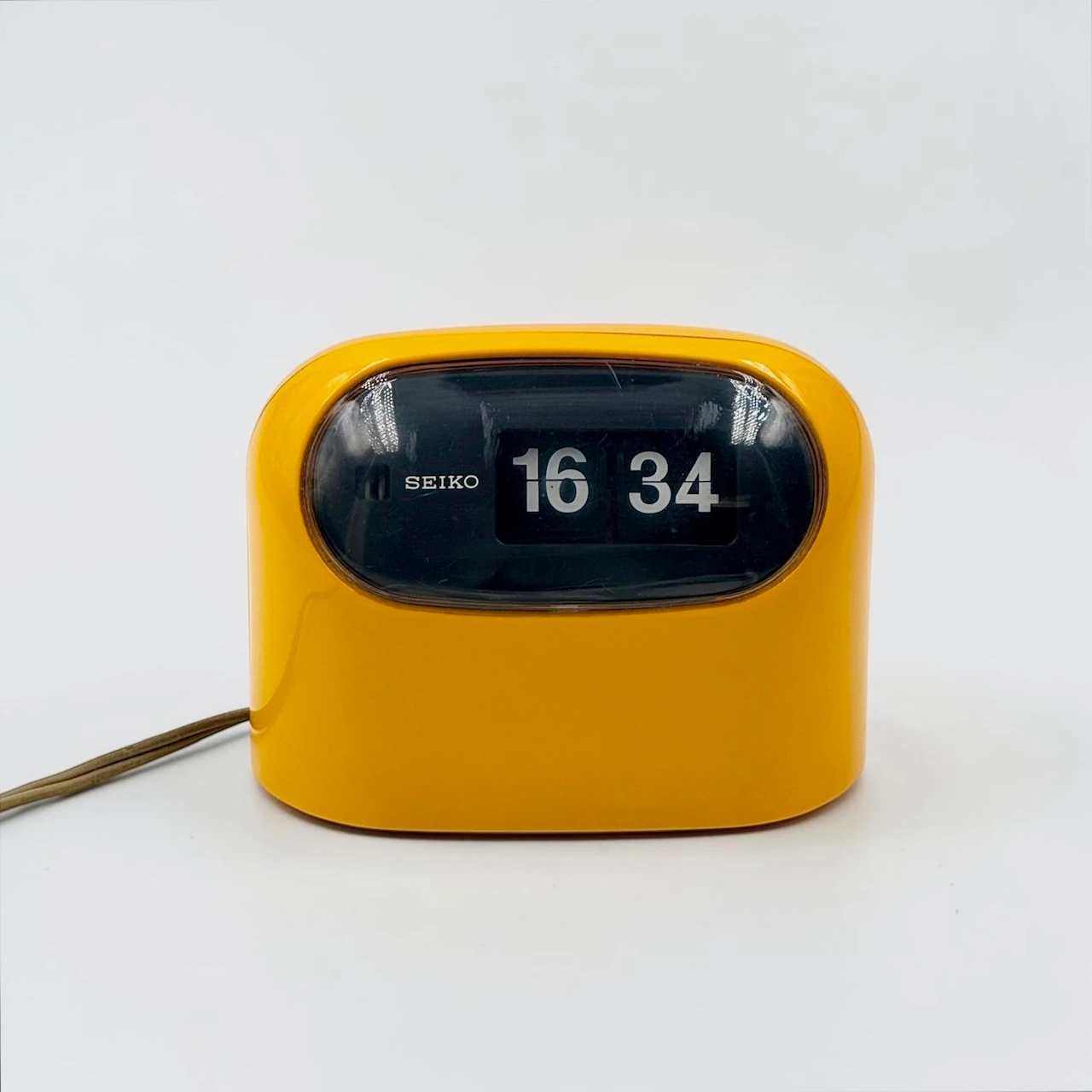
An iconic bright yellow mechanical flip display showcasing the technological optimism and visual brilliance of the era.
*Archival Reference:* Yellow Space Age Flip Clock by Seiko → View the archive page for details on this sold piece.
For those leaning towards more sophisticated, grounded palettes, European manufacturers such as Japy delivered remarkable harmony through rich chocolate brown and warm cream tones. These pieces proved that retro design could be simultaneously playful, elegant, and perfectly adapted to warm residential spaces.
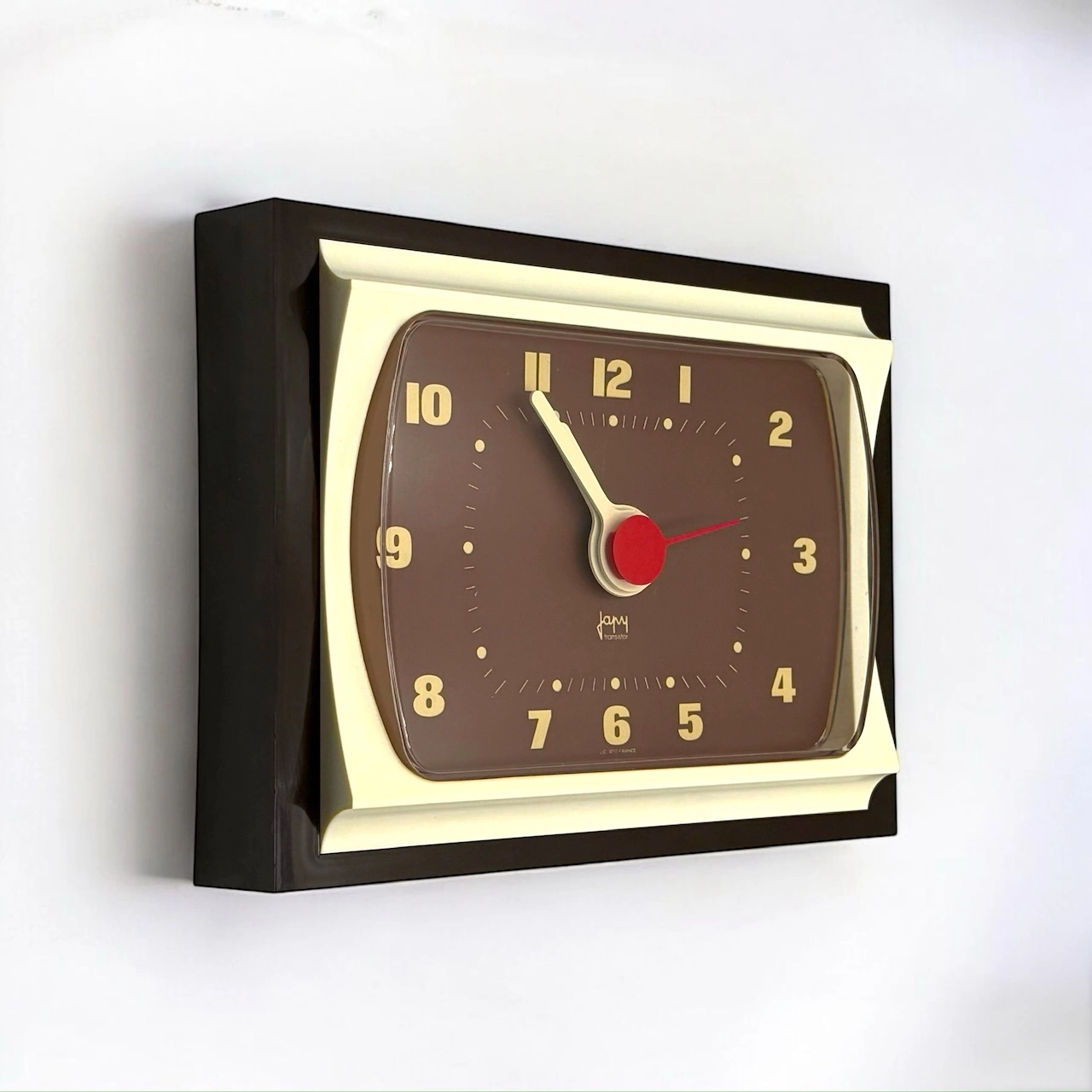
An exquisite blend of chocolate brown and warm cream tones, embodying the sophisticated yet playful geometric spirit of 1970s European interior accents.
*Archival Reference:* Timeless 70s Vintage Clock Japy Brown & Cream Retro → Explore architectural styling and details.
What truly sets the horological creations of the 1970s apart is their fearless, pioneering approach to material innovation. Before this defining era, timepieces were largely restricted to traditional heavy brass, polished mahogany wood, or delicate ceramics. The advent of ABS plastic, injection-molded acrylics, and high-grade synthetic resins completely revolutionized product design. Industrial designers across Europe and Japan realized that these revolutionary new mediums could be dyed in saturated, high-impact colors—from electric oranges and sunny yellows to deep avocado greens and rich earth tones.
These synthetic materials offered unprecedented durability, tactile warmth, and smooth, continuous curves that felt organic yet entirely modern. Today, discovering and preserving these pieces in pristine condition offers a rare window into a golden age where everyday domestic objects doubled as avant-garde sculptures.
German manufacturing excellence also played a pivotal role in shaping the aesthetic of 1970s walls and desks. Brands like Krups combined rigorous engineering standards with playful space-age geometry, producing iconic wall clocks featuring striking colored dials framed in clean, minimalist casings. These pieces demonstrate how rigorous utility and artistic flair can merge seamlessly.
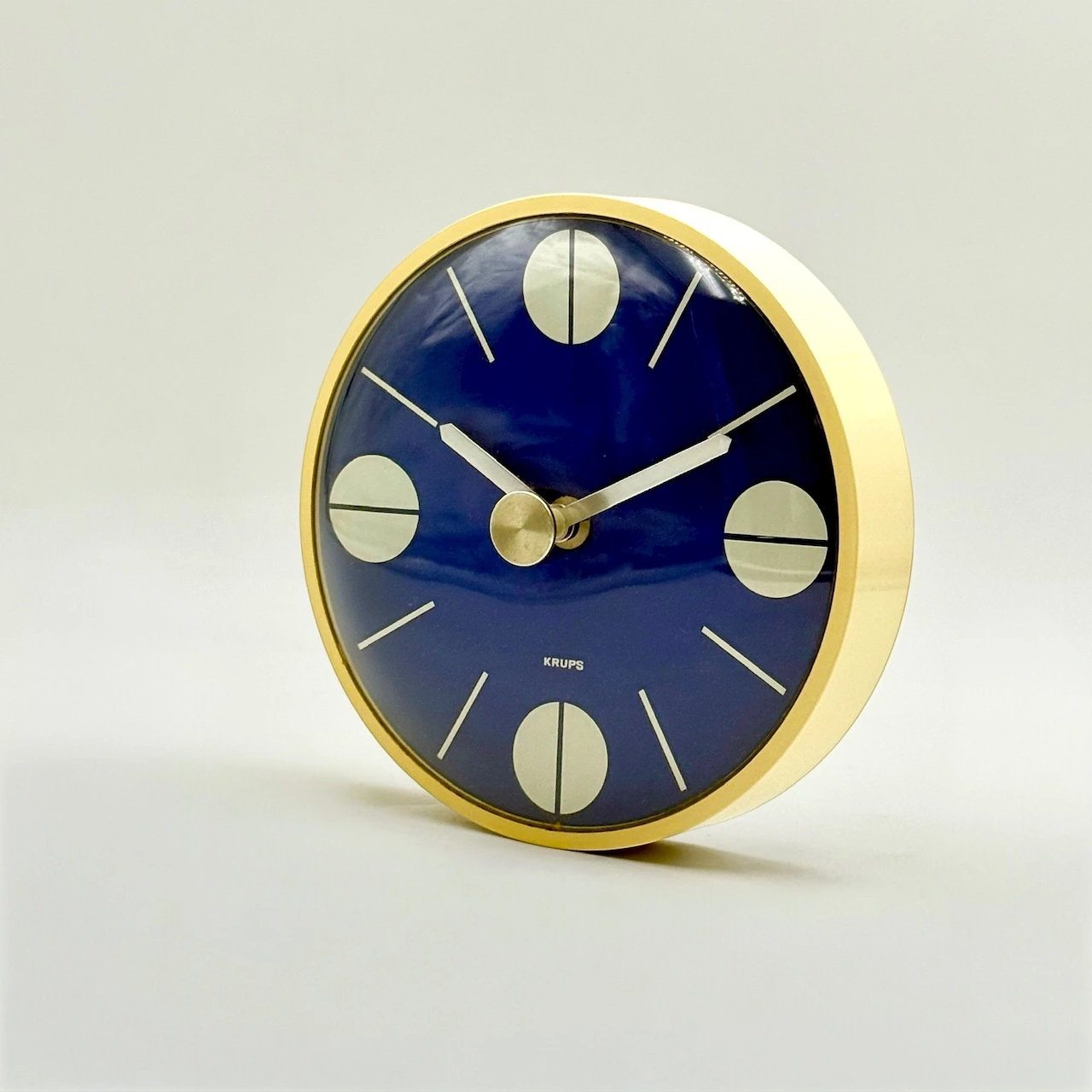
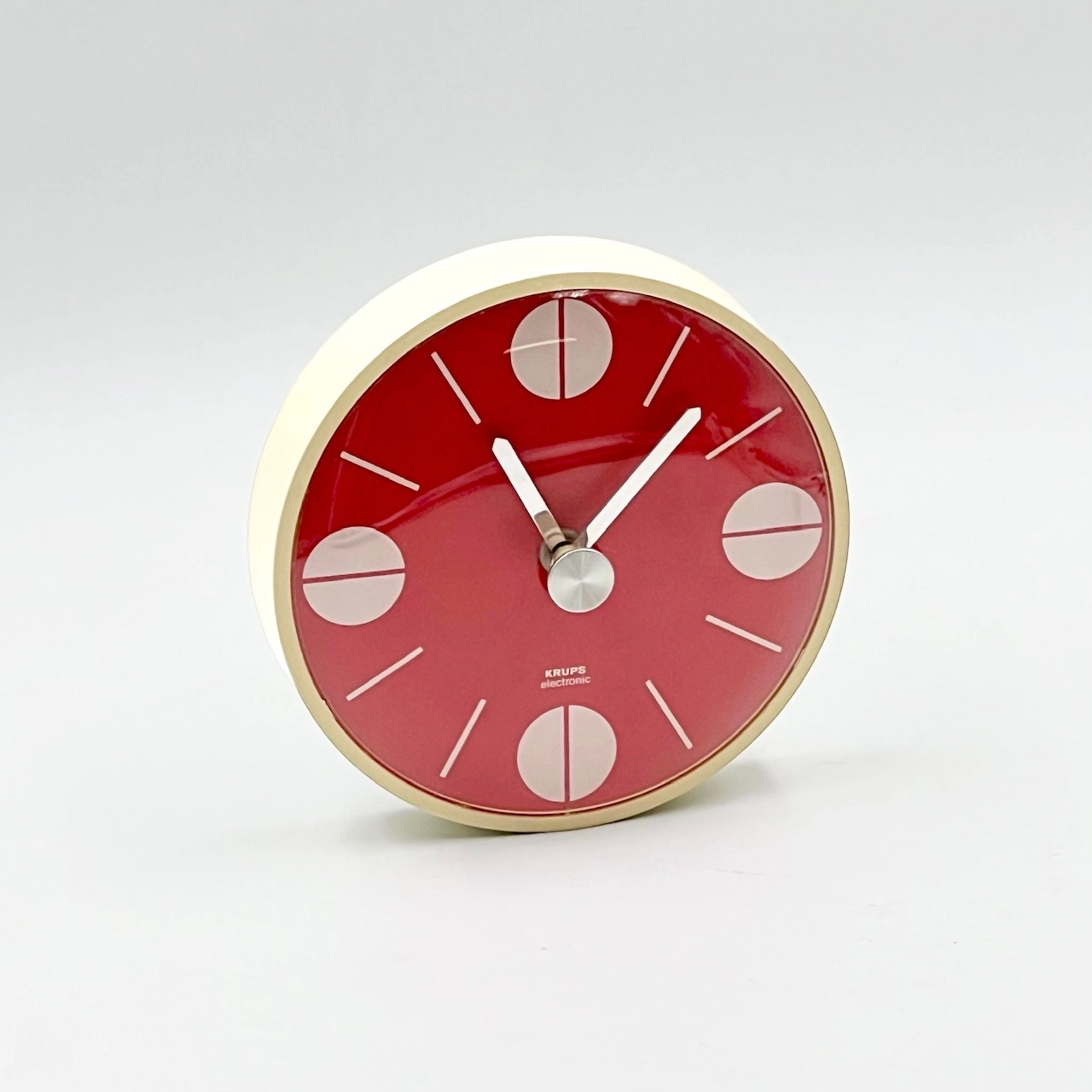
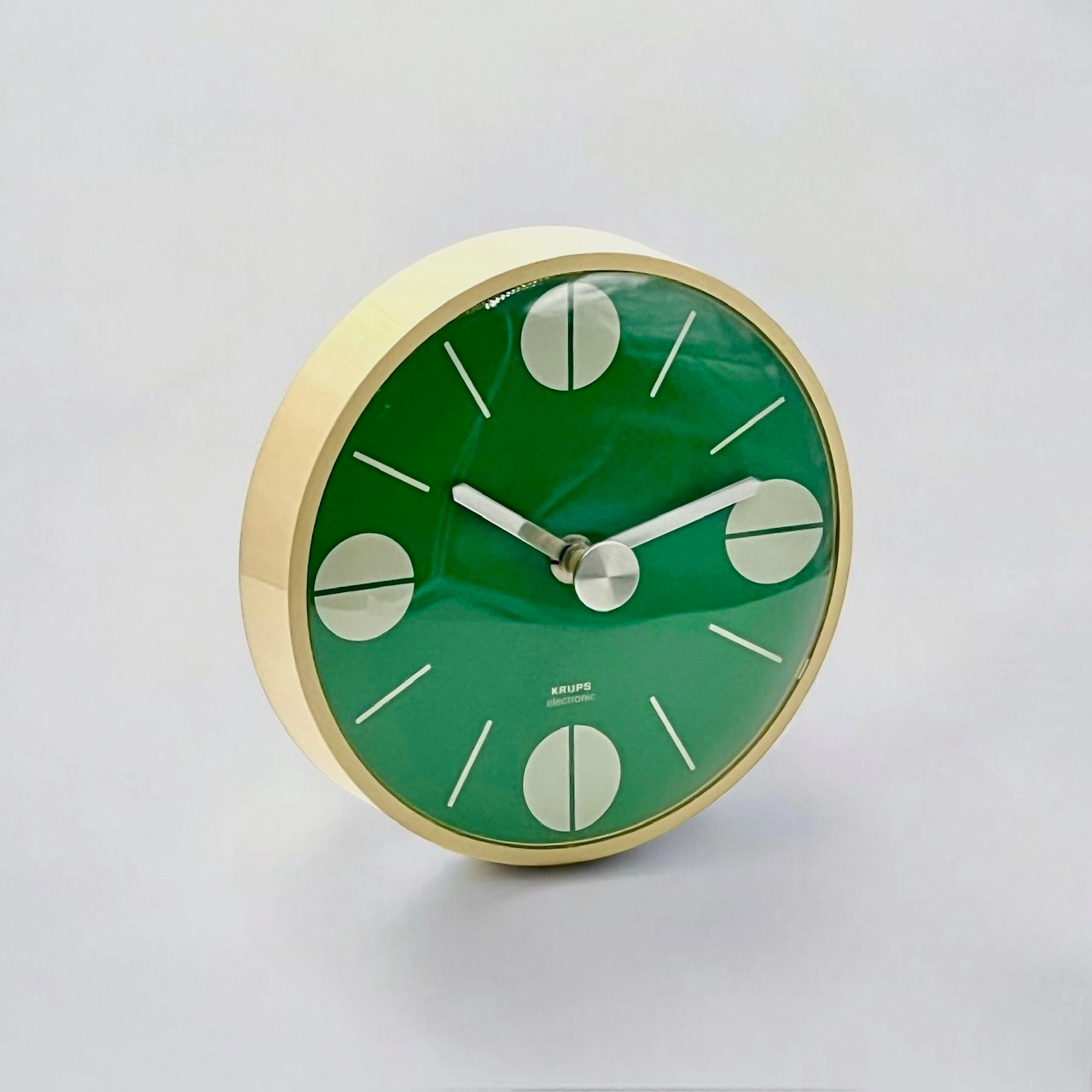
*Archival Reference:* Explore the iconic series of German Krups Space Age Wall Clocks → featuring vibrant blue, orange, and green dial editions.
Integrating an authentic vintage clock into a modern, minimalist, or eclectic setting is all about achieving a delicate balance of textural and visual contrast. Here are a few expert interior styling strategies to showcase them effectively in your home:
Original space age designs, mechanical flip clocks, and archival Italian wall pieces move fast among collectors. Join our VIP Collector List to get early notice whenever new masterpieces enter our shop catalog.
Get Early Access To New Drops →No spam, only authentic vintage drops. Unsubscribe at any time.
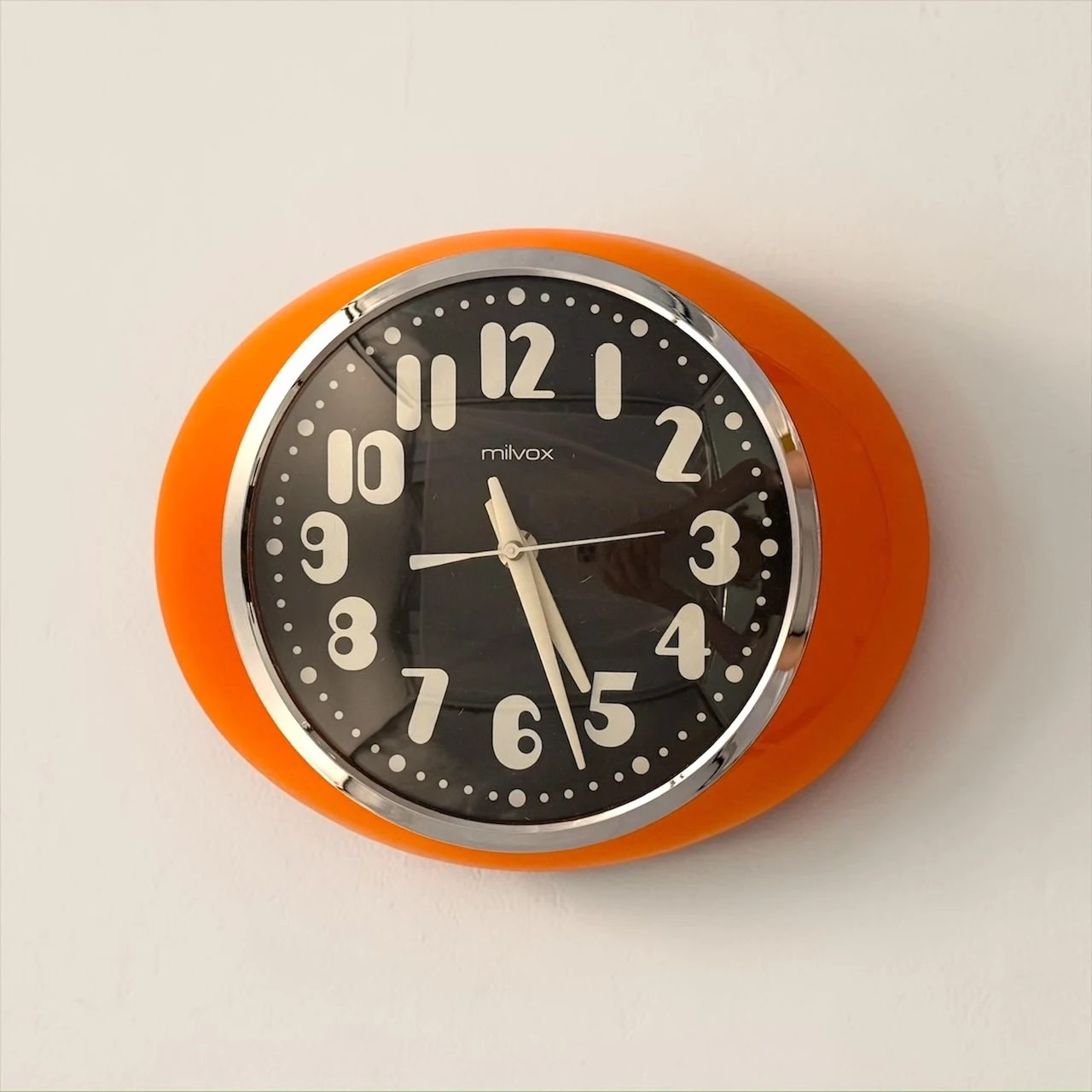
A vibrant 1970s statement piece featuring bold pop aesthetics.
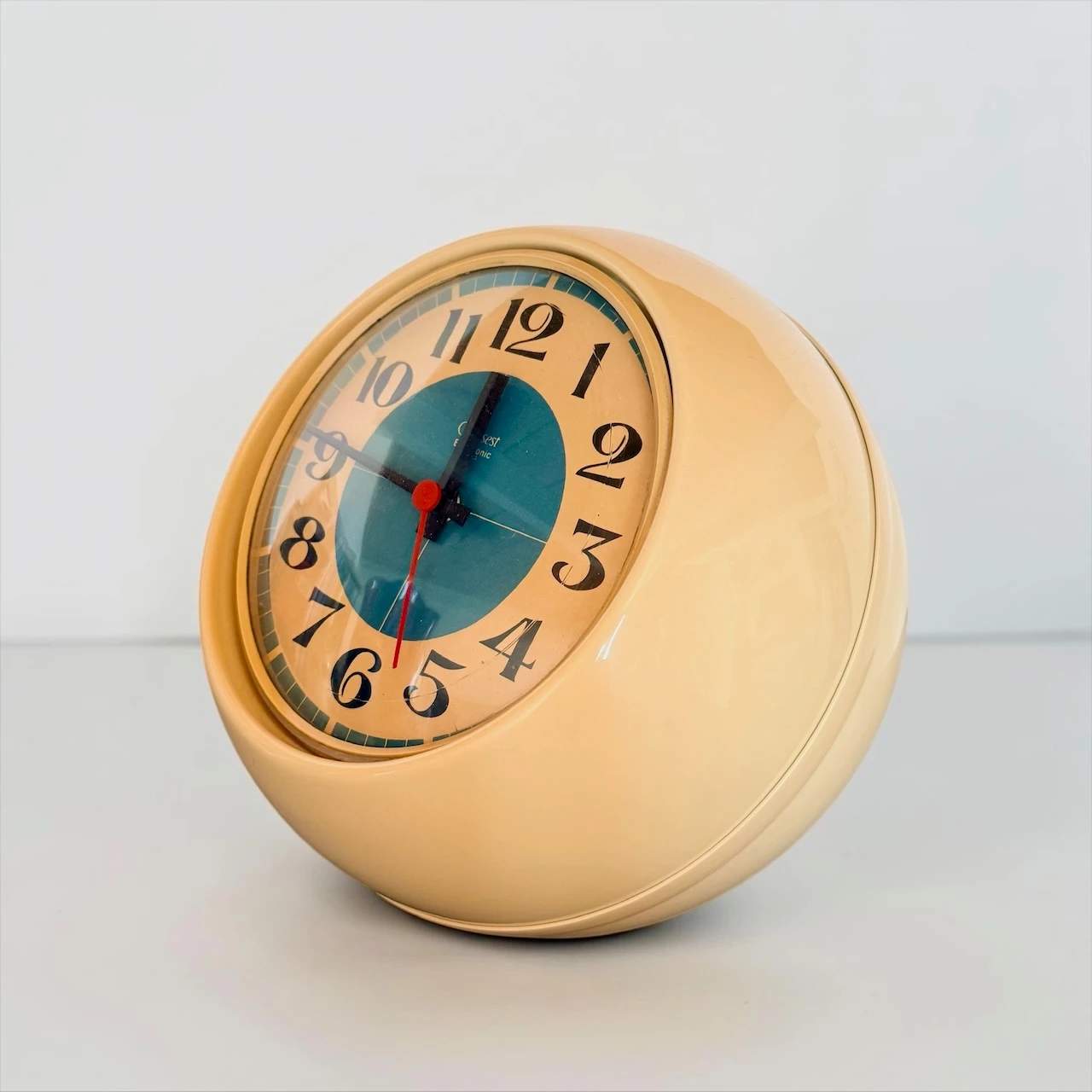
Soft minimal profile capturing domestic plastic innovation of the era.

Discover our hand-picked selection of functional 1970s timepieces, flip clocks, and retro desk accessories.