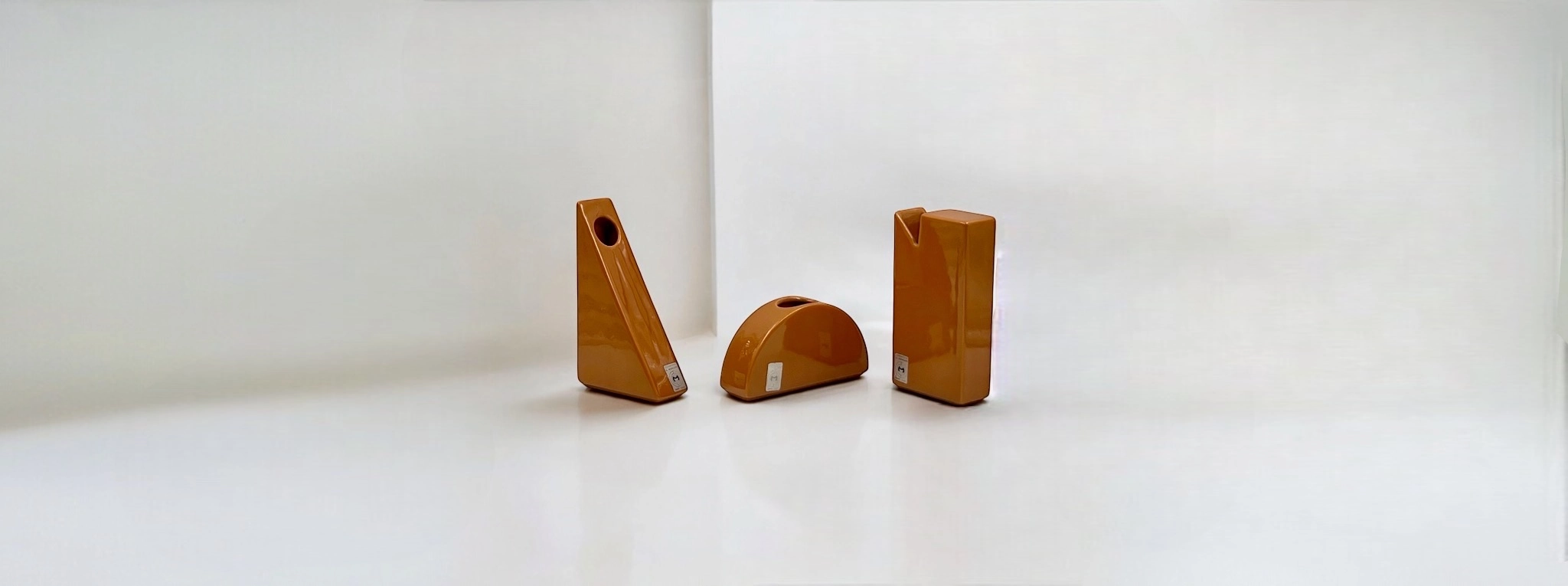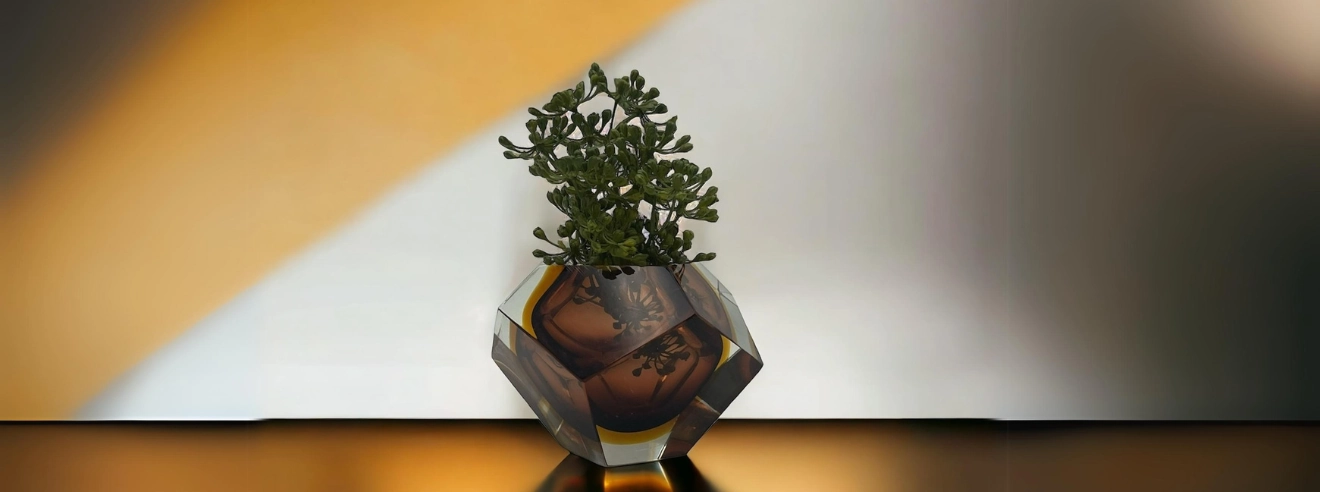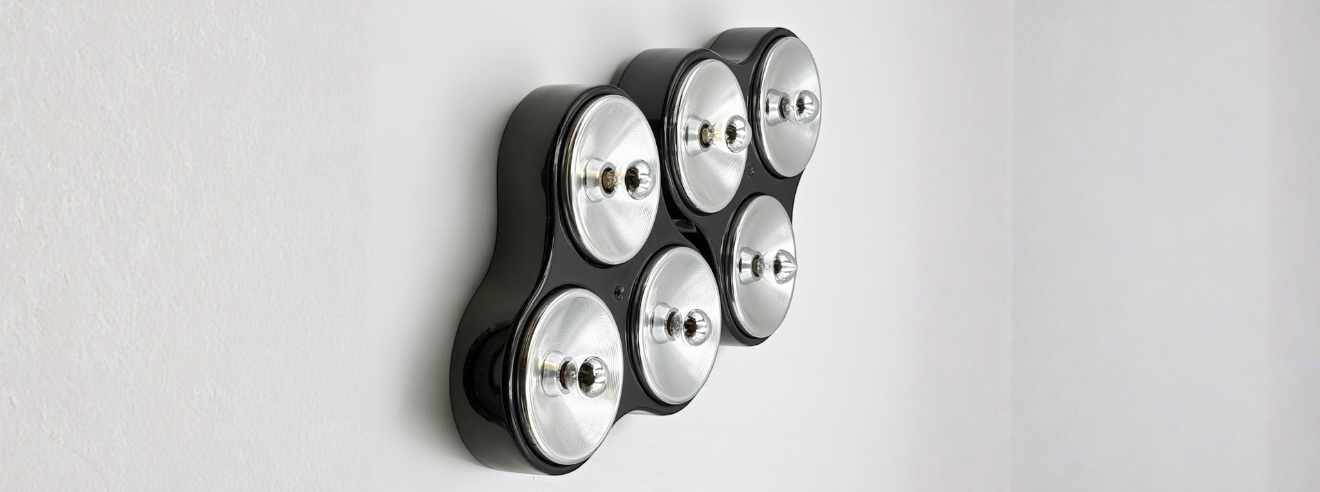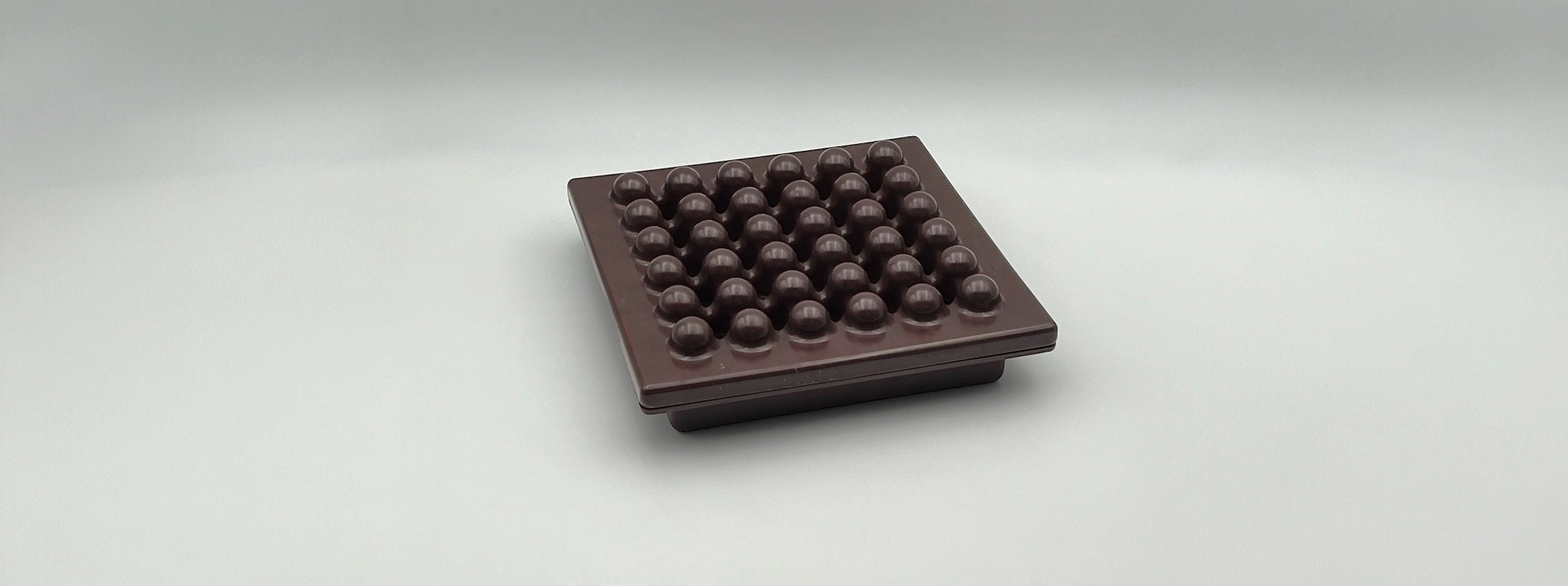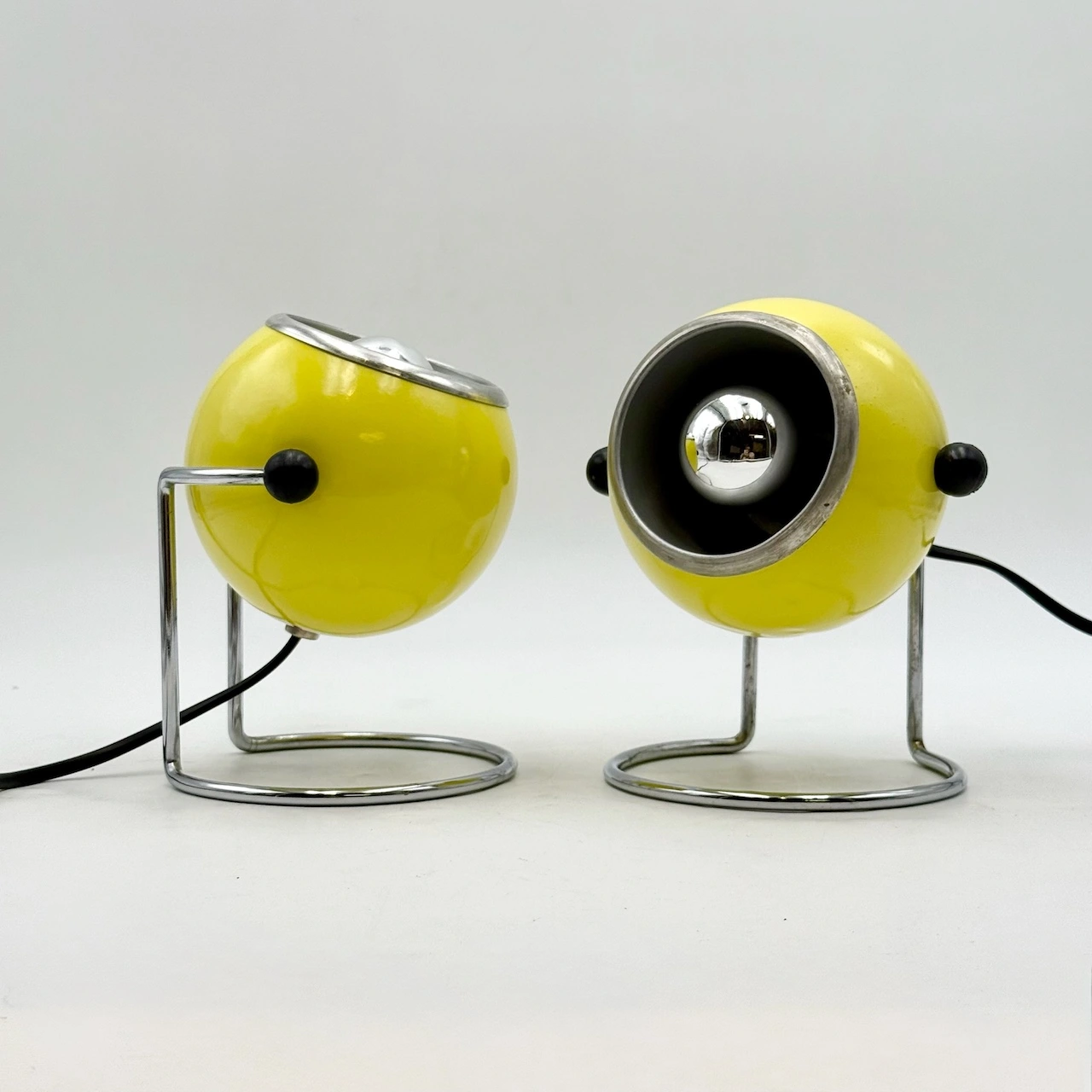

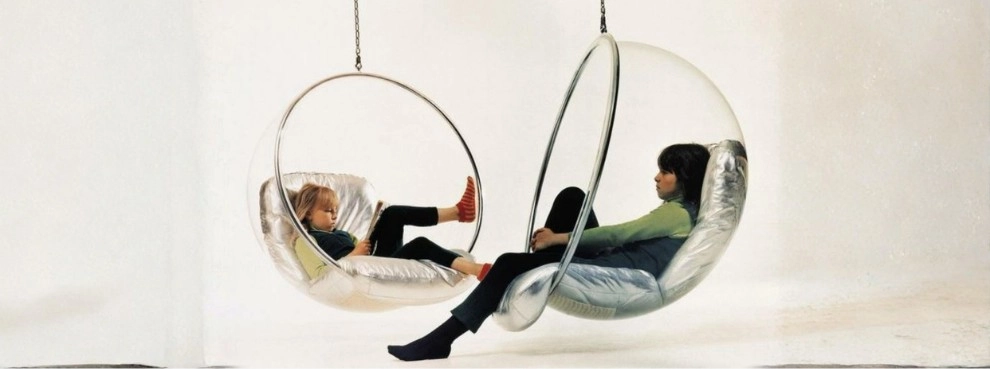
Italian design of the late 1960s and 1970s changed the way homes looked and worked.
During those years, a new generation of Italian makers experimented with form, material, and light to create objects that were functional, accessible, and full of optimism.
Their pieces were bright, clever, and democratic — quiet icons that still feel startlingly modern today.
Now, these objects have become increasingly rare.
At a time when contemporary production often feels homogenized, they offer something we can’t easily replicate: a distinctive blend of bold form and everyday practicality, crafted with lasting materials and a spirit of innovation.
Welcome to an unsung chapter of Italy’s Space Age design movement — where playfulness met purpose, and the future found a human touch.
The Space Age didn’t only invent a new aesthetic — it invented a feeling.
Behind every perfect circle and measured curve lies a quiet invitation to connect.
Objects once designed to symbolize modernity started to reflect something far more intimate: the rhythm of daily gestures, the glow of human presence, the beauty of touch.
During the late 1960s and 70s, design began to move away from the severity of modernism.
In its place emerged a softer vocabulary — round edges, organic modules, tactile plastics that caught and diffused light rather than absorbing it.
These new forms were not only futuristic; they were for living. They made the future feel tangible, kind, and close to home.
This is where soft geometry finds its true meaning — not as a style, but as an emotion.
It’s the warmth of resin in afternoon light, the comforting rhythm of repetition, the sense that even the most functional object — a hook, a clock, a lamp — can embody a quiet tenderness.
In the hands of visionary designers, geometry became empathy.
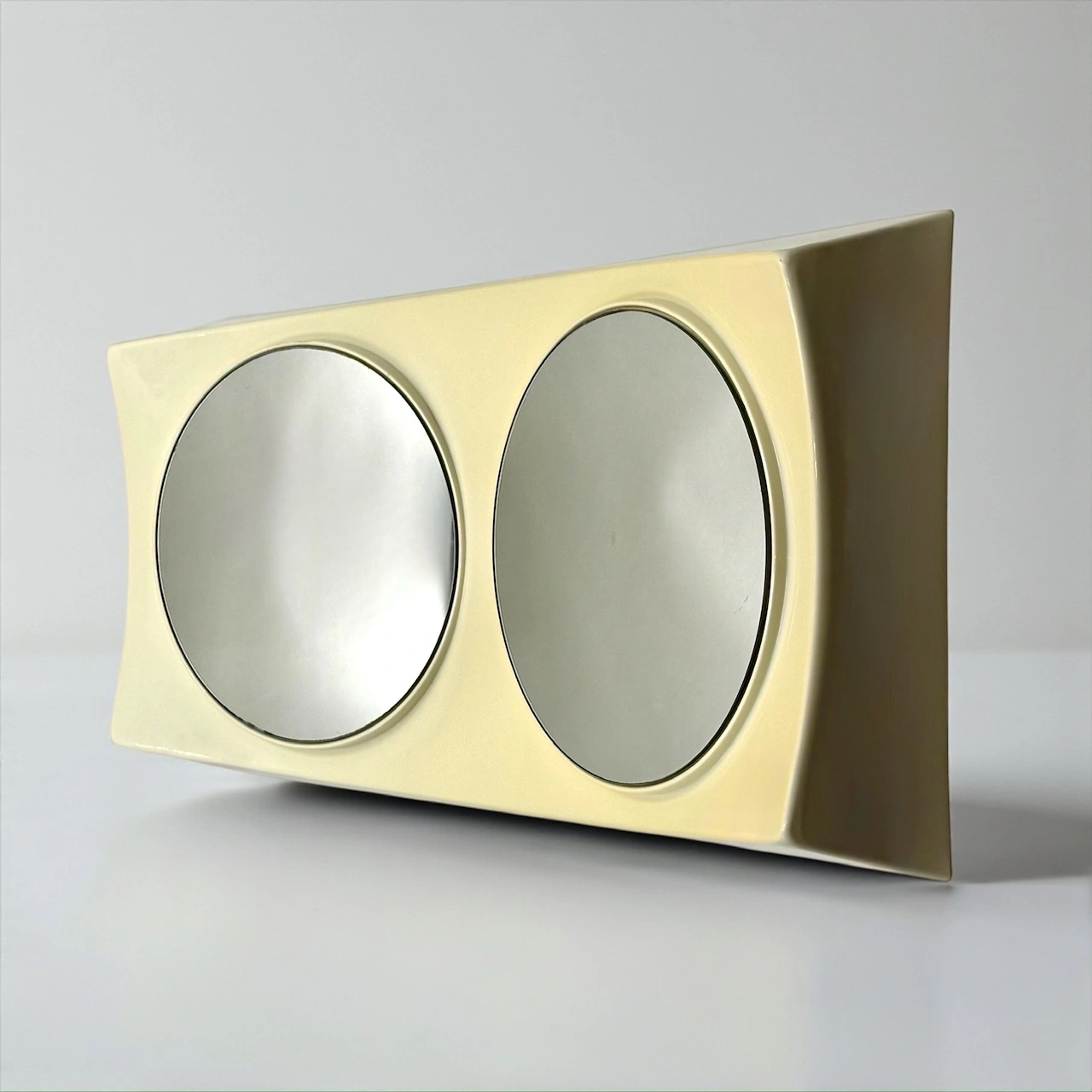
In the optimistic orbit of the Space Age, geometry once meant progress — circles, ellipses, and modules promising an ordered future.
But when filtered through human hands, those same shapes gained something unexpected: warmth.
This autumn edit explores that transformation — how hard edges softened, how functional design became gentle, and how the future, imagined in plastic and chrome, began to feel almost alive.
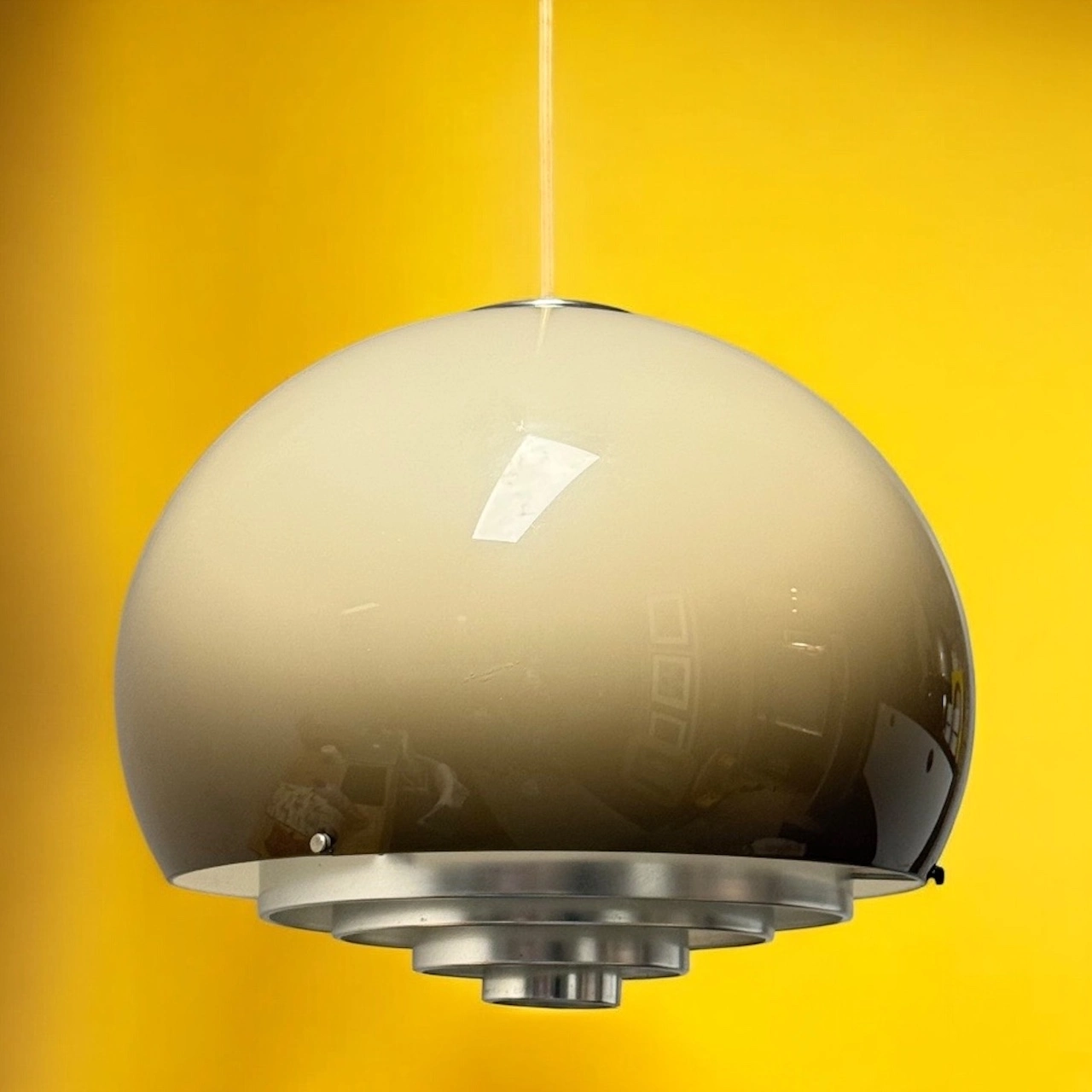
In this collection, geometry remains, but never as a rule — only as a rhythm.
Each piece bends toward the human hand and eye, shaping small atmospheres of calm and radiance.
These are not grand gestures of design, but gentle presences: everyday objects that make space for emotion.
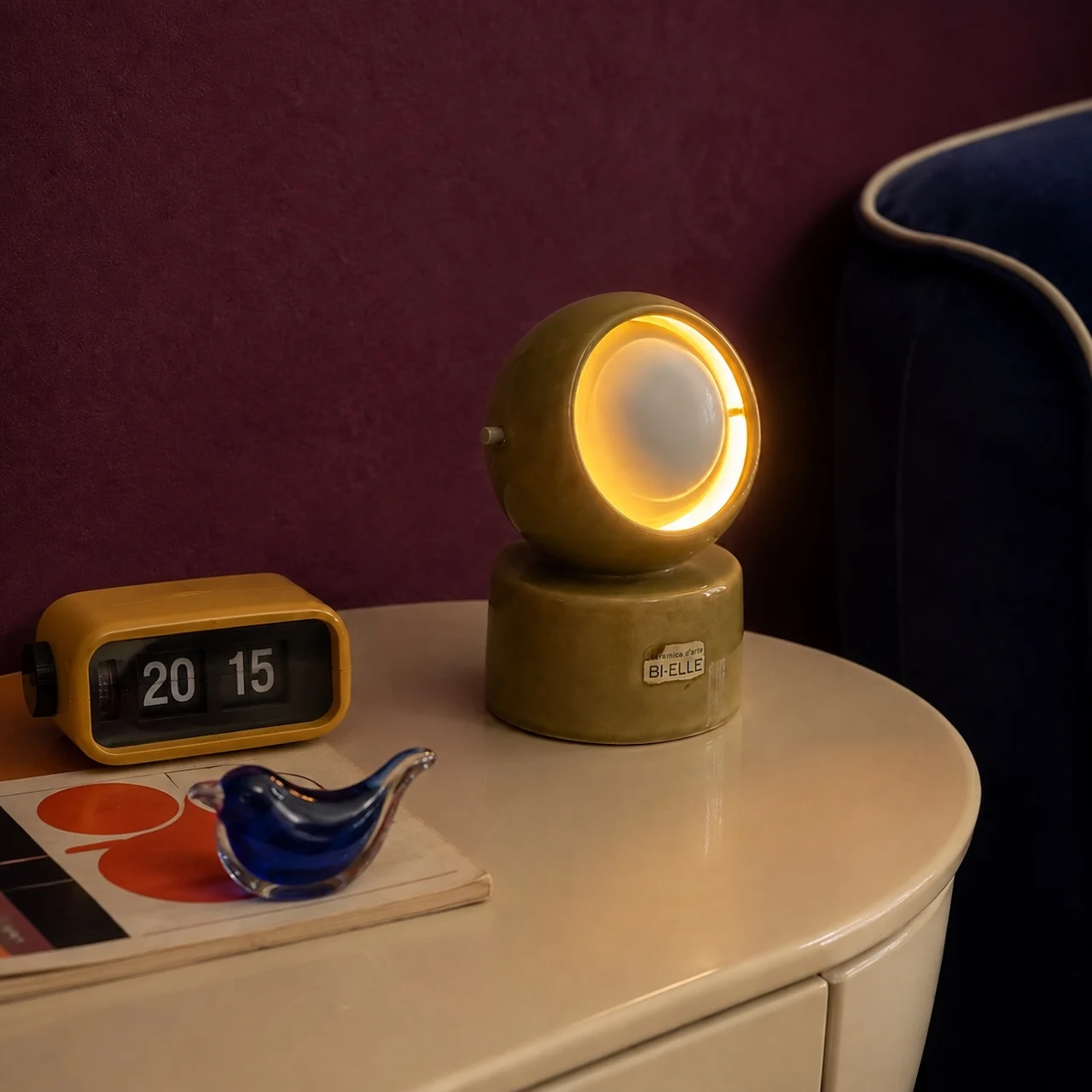
The olive green ceramic lamp glows like a miniature sun, smooth and adjustable, a promise of optimism and sweetness at the edge of the table.
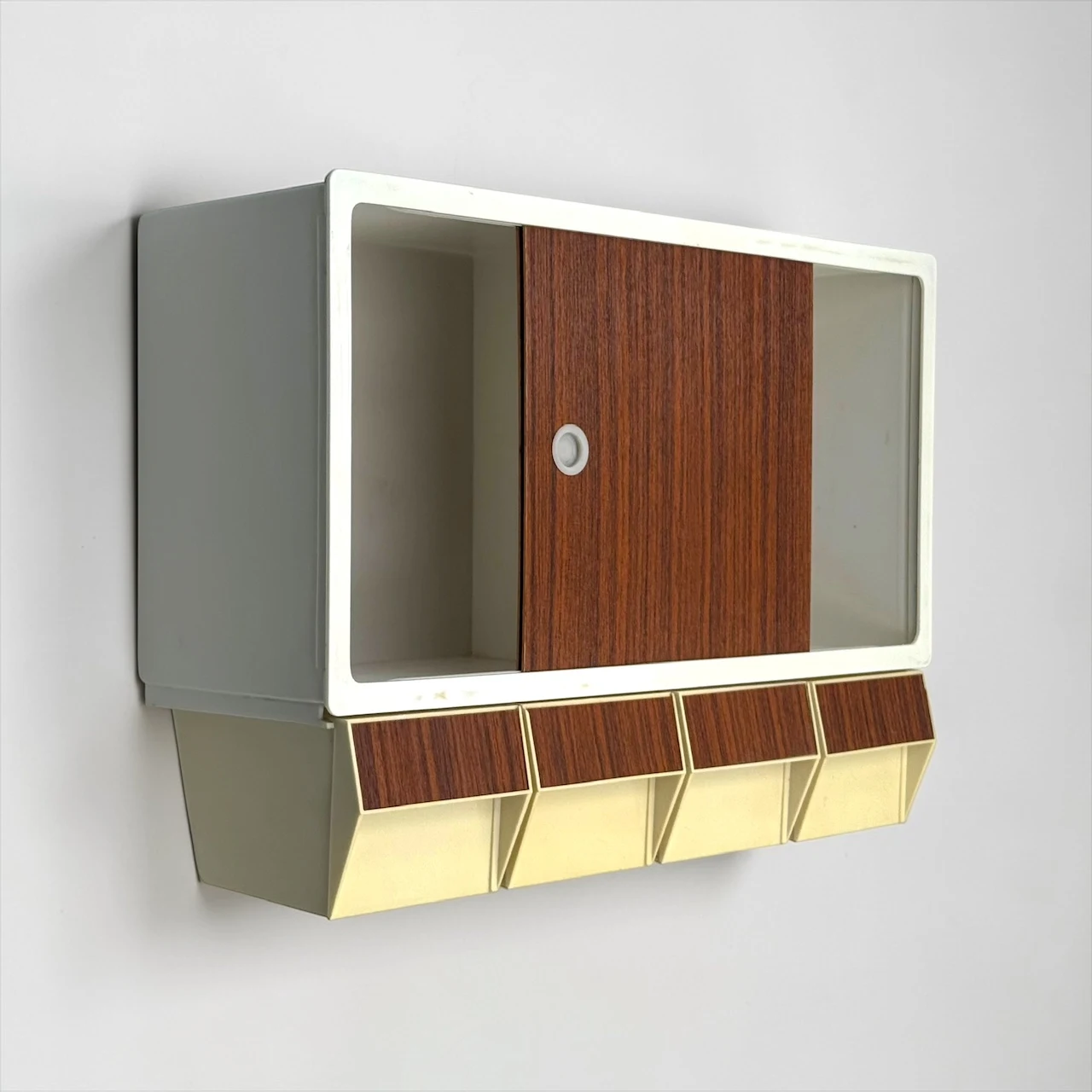
The wall cabinet blends clean lines with warm brown hues, creating an architecture of order softened by texture.
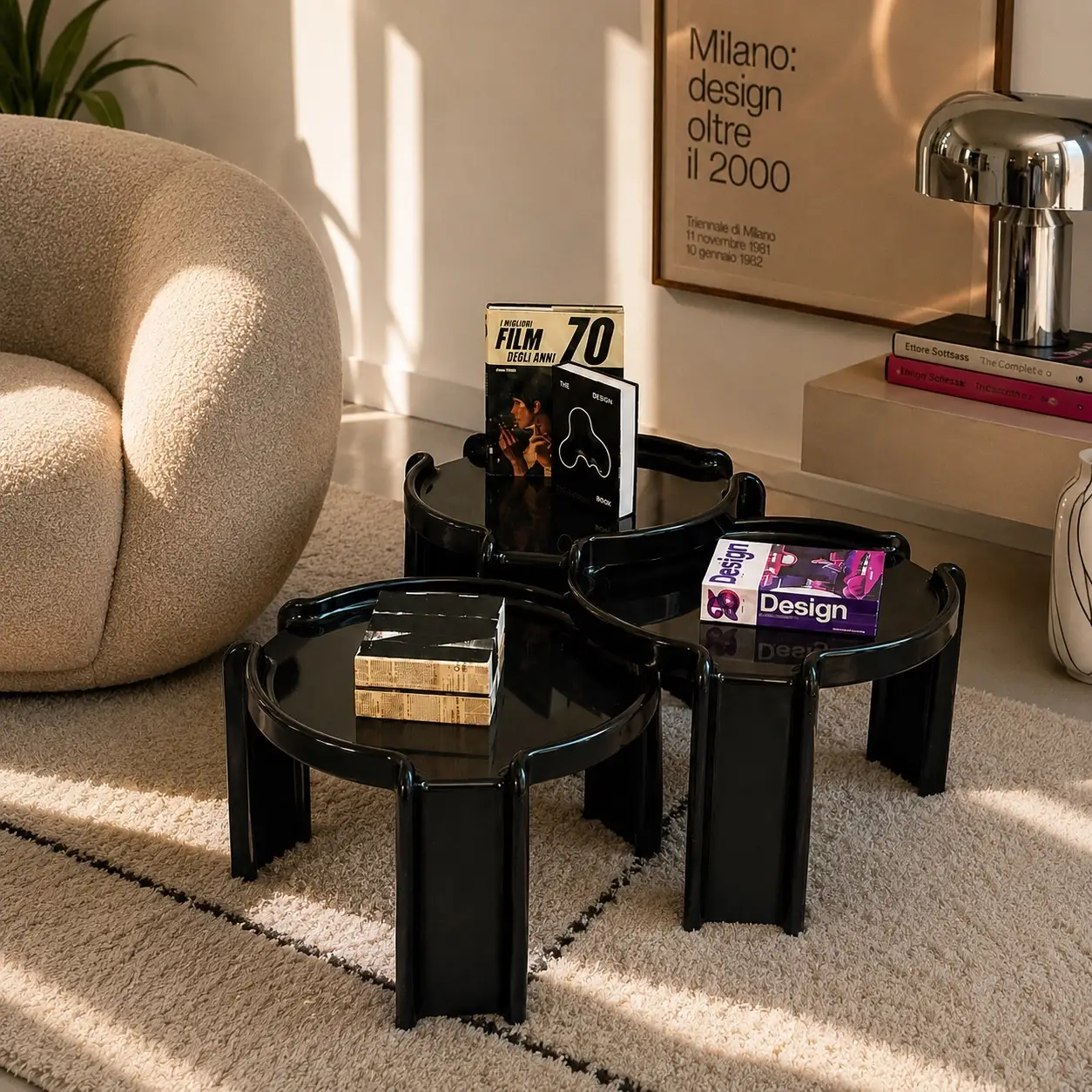
Nearby, the Giotto Stoppino nesting tables speak in a different tone: their stackable arches balance reason and grace, their black palette radiating quiet elegance.
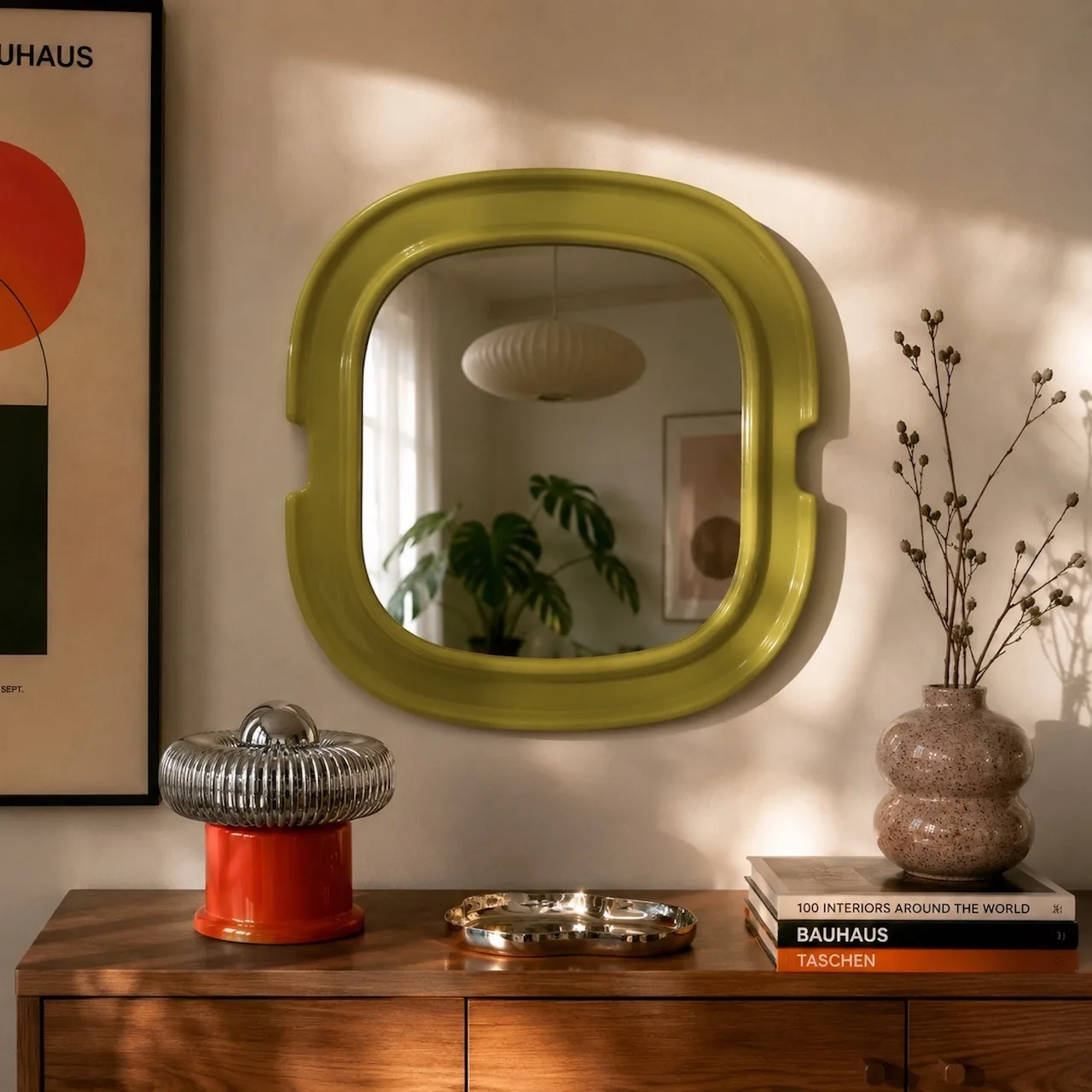
The sculptural wall mirror, with unusual proportions and a distinctive olive green finish, creates a strong visual presence without overwhelming a space.
 Space Age Ceramic Lamp, Italy 1970s
A tiny planet of light — smooth, vibrant, endlessly adjustable.
A sculptural olive green glazed body with an adjustable white metal hemisphere that transforms both the direction and intensity of the light.
A dialogue between plastic and faux wood grain.
Functional yet tender, this modular cabinet feels like a small domestic architecture — precise, rational, but with a pulse of warmth.
A striking green space age mirror where futuristic design and sculptural form combine to create a bold decorative statement.
Design reduced to its essence…
Their glossy black enhances the soft shapes, reminding us that modular design can also be sensual.
There is something profoundly human in these forms.
They belong to an age that imagined progress — yet they remind us that progress was never meant to be cold.
To live with these forms is to live among quiet presences.
They don’t shout; they hum. Their language is one of balance and belonging.
Placed in a room, they do what the best design has always done — they create harmony without demanding attention.
There’s a generosity in their curves, a patience in their proportions.
They hold light in ways that make spaces breathe.
The glossy surface of a lamp, the rounded edge of a table, the color of honey plastic catching morning sun — all these elements compose an atmosphere of familiarity, where the future no longer feels distant, but human-scaled.
Soft geometry offers a different kind of modernity: one where design doesn’t dominate life but participates in it.
It brings emotion into function, subtlety into form, and humanity into progress.
It reminds us that even in the most experimental eras, the goal was never perfection — it was connection.
This is the human side of the Space Age — not chrome and perfection, but curves, colors, and kindness.
A celebration of everything in design that still feels alive.
Explore more futuristic design statements and handpicked collectibles to elevate your interior aesthetic.

Discover iconic objects and rare lighting capturing the essence of futuristic 70s design.

Handpicked highlights and standout statement pieces curated by our expert team.