
Jean Pierre Vitrac, a French designer, is renowned for crafting innovative and elegant lamps and other iconic home decor pieces during the 1960s and 1970s. His signature style merges metal, glass, and light, sculpting both geometric and organic shapes that not only showcase his artistic vision but also his technical mastery.
In this article, we’ll delve into some of his iconic creations and the muses behind them, including the Strigam lamp, the Flower lamp, and the Calendar imbroglio. Additionally, we’ll explore Vitrac’s artistic evolution and his pivotal role in both the French and international design landscapes.
If you’re captivated by mid-century modern, space age, or contemporary design, Vitrac’s oeuvre offers a treasure trove of designs to admire and cherish.
Among the most iconic creations by Jean Pierre Vitrac stands the Strigam lamp, crafted in 1983 for Verre Lumiere, a company renowned for its expertise in lighting from France. This lamp exemplifies Vitrac’s masterful integration of form and function, blending aesthetics with technology in an unparalleled manner.
The inception of the Strigam lamp stemmed from Vitrac’s innovative work with cast aluminum, a material he appreciated for its versatility and expressive potential. His vision was to forge a lamp that was not only adaptable to diverse environments and needs but also stood as a sculptural piece in its own right when not illuminated.
His ingenious solution was a modular lamp, capable of being assembled and disassembled into various configurations, facilitated by its flexible joints and magnetic connections. The lamp’s name, Strigam, is derived from the Latin “striga,” meaning a row or line, mirroring the lamp’s linear and geometric design.
Vitrac drew inspiration from a broad spectrum of sources, spanning art to science. He was captivated by the works of Piet Mondrian, Wassily Kandinsky, and Alexander Calder, and their exploration of color, geometry, and movement.
Equally, the theories of Buckminster Fuller, the architect behind the geodesic dome, and the principles of tensegrity, a structural system hinging on the equilibrium of tension and compression, were instrumental in shaping his design. These concepts were adeptly applied to his lamp, resulting in a dynamic and harmonious structure capable of altering its shape and orientation.
The Strigam lamp not only achieved commercial success but also garnered critical acclaim, establishing itself as a beacon of innovation and creativity in lighting design. It has been showcased in prestigious venues like the Centre Pompidou in Paris, the Cooper Hewitt Museum in New York, and the Design Museum in London.
Featured in numerous publications, including Domus, L’Œil, and Elle Décoration, the Strigam lamp has left a lasting impact, inspiring a wave of designers to embrace its modular and playful design ethos in their own creations.
The Flower lamp, a masterpiece designed by Jean Pierre Vitrac in 1970 for Verre Lumiere, stands as a testament to his ability to sculpt organic and poetic forms using metal and glass. This creation, produced by the same company behind the Strigam lamp, showcases Vitrac’s remarkable talent.
Inspired by a deep fascination with nature, its myriad shapes, colors, and rhythms, Vitrac aspired to craft a lamp that mirrored the beauty and diversity of flowers. His vision was to produce a piece that could alter its appearance with changes in lighting and perspective.
Utilizing chromed metal and stainless steel, he fashioned a flexible stem and a circular base. To this, he attached six opaline glass petals, each capable of individual rotation and adjustment. The culmination of his efforts was a lamp that not only resembled a flower in full bloom but also mimicked the sun with its spreading rays.
Vitrac drew inspiration from a rich tapestry of cultural and natural sources. His admiration for the works of Henri Matisse, Andy Warhol, and David Hockney, with their vibrant use of color, bold shapes, and pop art flair, significantly influenced his design. Equally, the studies of Ernst Haeckel, a German biologist known for his detailed illustrations of natural forms like flowers and shells, left a mark on his creation.
By integrating these influences, Vitrac succeeded in creating a colorful and playful lamp that mirrored his artistic sensibility and innate curiosity.
The Flower lamp quickly rose to prominence, celebrated for its elegance and creativity in the realm of lighting design. Its commercial and critical success led to its display in prestigious venues such as the Cooper Hewitt Museum in New York, the Carnegie Museum of Art in Pittsburgh, and the Design Museum in London. Furthermore, its features in esteemed publications and magazines like Domus, L’Œil, and Elle Décoration underscored its acclaim.
Renowned for its originality and versatility, the Flower lamp is praised for its capacity to generate diverse atmospheres and moods through its unique light and shape.
Jean Pierre Vitrac is not only a designer of lamps, but also a versatile and prolific artist who has explored various fields and mediums throughout his career. In this section, you will learn more about his early beginnings, his collaborations and contributions, and his contemporary relevance and future directions.
Vitrac was born in 1944 in Bergerac, a town in southwestern France. He studied architecture at the École Nationale Supérieure des Beaux-Arts in Paris, where he graduated in 1968. He then worked as an architect and urban planner for several projects, such as the new town of Cergy-Pontoise and the renovation of the Louvre Museum.
He also developed his interest in product design, especially in lighting, and founded his own agency in 1970. He collaborated with Verre Lumiere, a French company specialized in lighting, and created some of his most famous lamps, such as the Strigam, the Flower, and the Fan.
Vitrac has collaborated with many other designers, artists, and institutions, both in France and abroad. He has participated in several exhibitions and events, such as the Salon des Artistes Décorateurs, the Salon du Meuble, and the Biennale de Design Industriel. He has also designed furniture, objects, and accessories for various brands and clients, such as Air France, Renault, Peugeot, and Hermès.
He has also taught design at the École Nationale Supérieure de Création Industrielle and the École Camondo in Paris, and at the Domus Academy in Milan. He has also written several books and articles on design, such as Design et Lumière, Design et Architecture, and Design et Innovation.
Vitrac’s work is still relevant and influential today, as it reflects his vision and passion for design, art, and innovation. His lamps are considered as classics of vintage French design, and they are exhibited and collected by several museums and galleries, such as the Centre Pompidou in Paris, the Cooper Hewitt Museum in New York, and the Design Museum in London. His lamps are also sought after by collectors and enthusiasts, and they fetch high prices at auctions.
Vitrac is still active and creative, and he continues to experiment with new materials, forms, and technologies. He also divides his time between Paris and Venice, where he finds inspiration and beauty.
Jean Pierre Vitrac is a remarkable designer and artist known for crafting some of the most innovative and elegant lamps in the realm of experimental design. His distinctive approach – part of the radical design movement – integrates metal, glass, and light to sculpt both geometric and organic shapes, showcasing his artistic vision and technical mastery.
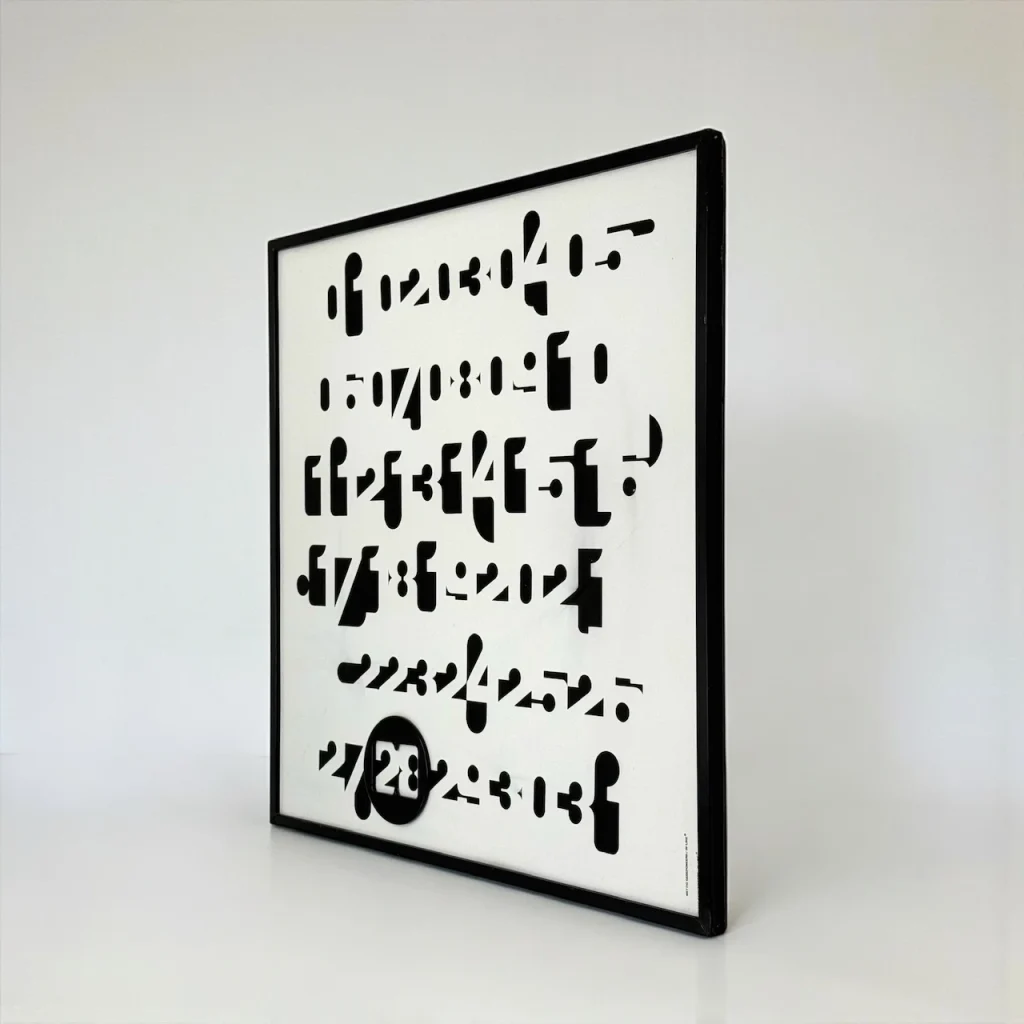
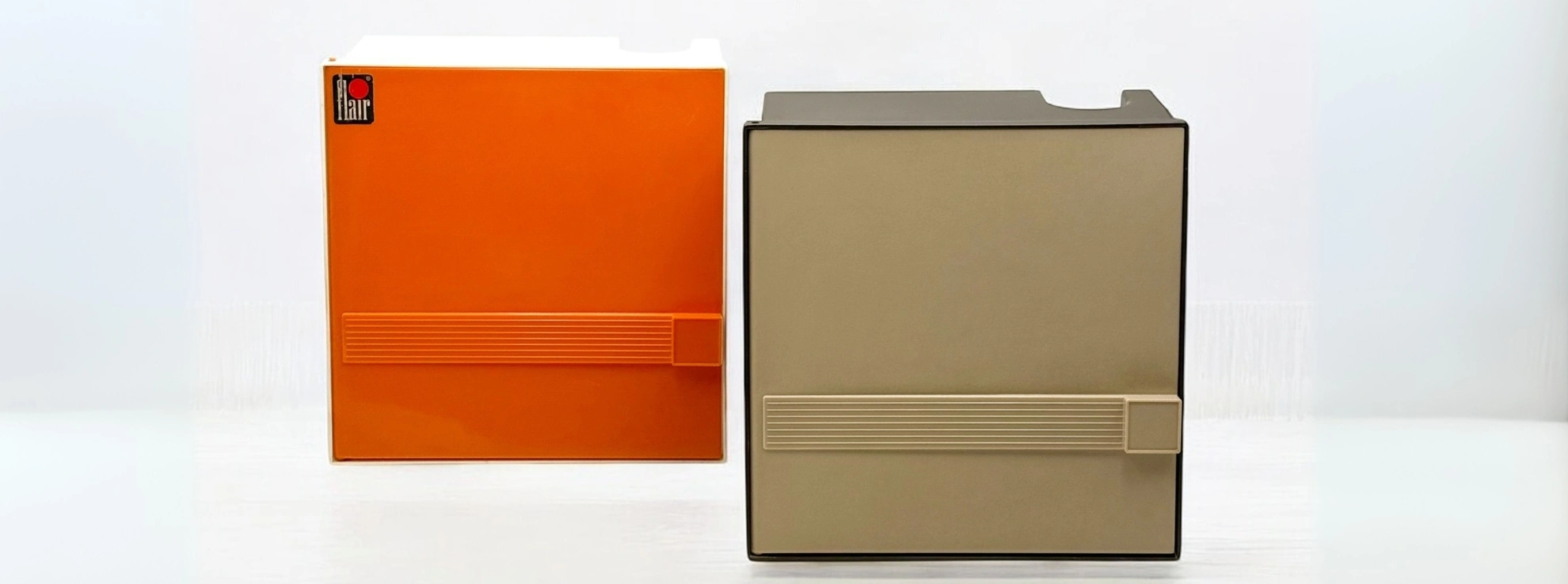
Iconic creations like the Strigam, the Flower, and the Calendar imbroglio stand as testaments to innovation, creativity, and elegance. These pieces are celebrated and cherished by museums, galleries, and enthusiasts globally. For those keen on mid-century modern collectibles, Vitrac also designed an exquisite ‘Orangeade’ drinking set, and the iconic and hyper rare ‘Imbroglio’ perpetual calendar for Piranha Paris, which complements his lighting masterpieces perfectly. Whether showcasing his work at exhibitions or through interactive calendars, Vitrac ensures each piece remains a topic of discussion in design circles.
Embarking on this journey will unveil a realm filled with beauty, harmony, and light, poised to enchant and inspire you.
Jean Pierre Vitrac is a French designer and artist who was born in 1944 in Bergerac. He is renowned for his innovative and futuristic creations in lighting, furniture, and sculpture, influenced by the Pop Art and Space Age movements.
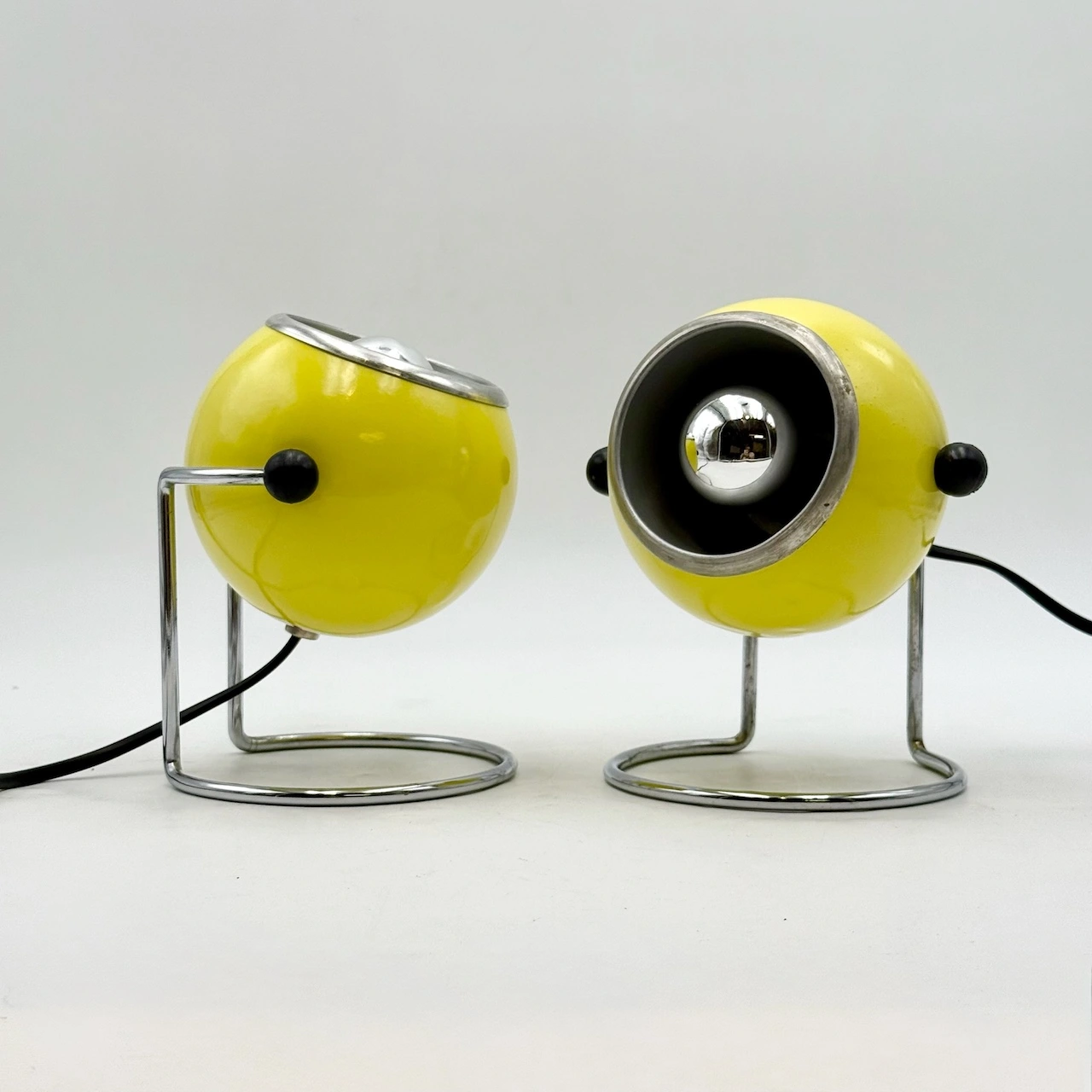
Among the most notable works by Jean Pierre Vitrac are his Flower Lamp and Strigam Lamp, showcasing his innovative approach to lighting design. The Flower Lamp features chromed metal in a shape that resembles a flower, while the Strigam Lamp, made of painted cast aluminum and plastic, boasts a geometric and modular form.
Jean Pierre Vitrac is celebrated as one of the French pioneers of product design in the 20th century. He founded his own agency and later established a network of independent designers known as Design Pool. His creation of innovative and futuristic objects, such as the Flower Lamp and the Éventail Lamp, has led to their inclusion in the collections of prestigious museums such as the Cooper Hewitt and the Carnegie Museum of Art.
Venice, where he resides for part of the year, and the French pioneers of product design, such as Pierre Paulin and Joseph-André Motte, serve as significant sources of inspiration for Jean Pierre Vitrac. These influences have shaped his style to be elegant, innovative, and functional, as evident in his lamps, furniture, and objects.
This Jean-Pierre Vitrac perpetual calendar, known as “Imbroglio”, was designed and produced in France between the late 1960s and early 1970s. An iconic wall calendar featuring abstract black-and-white graphic design and a magnetic date marker.