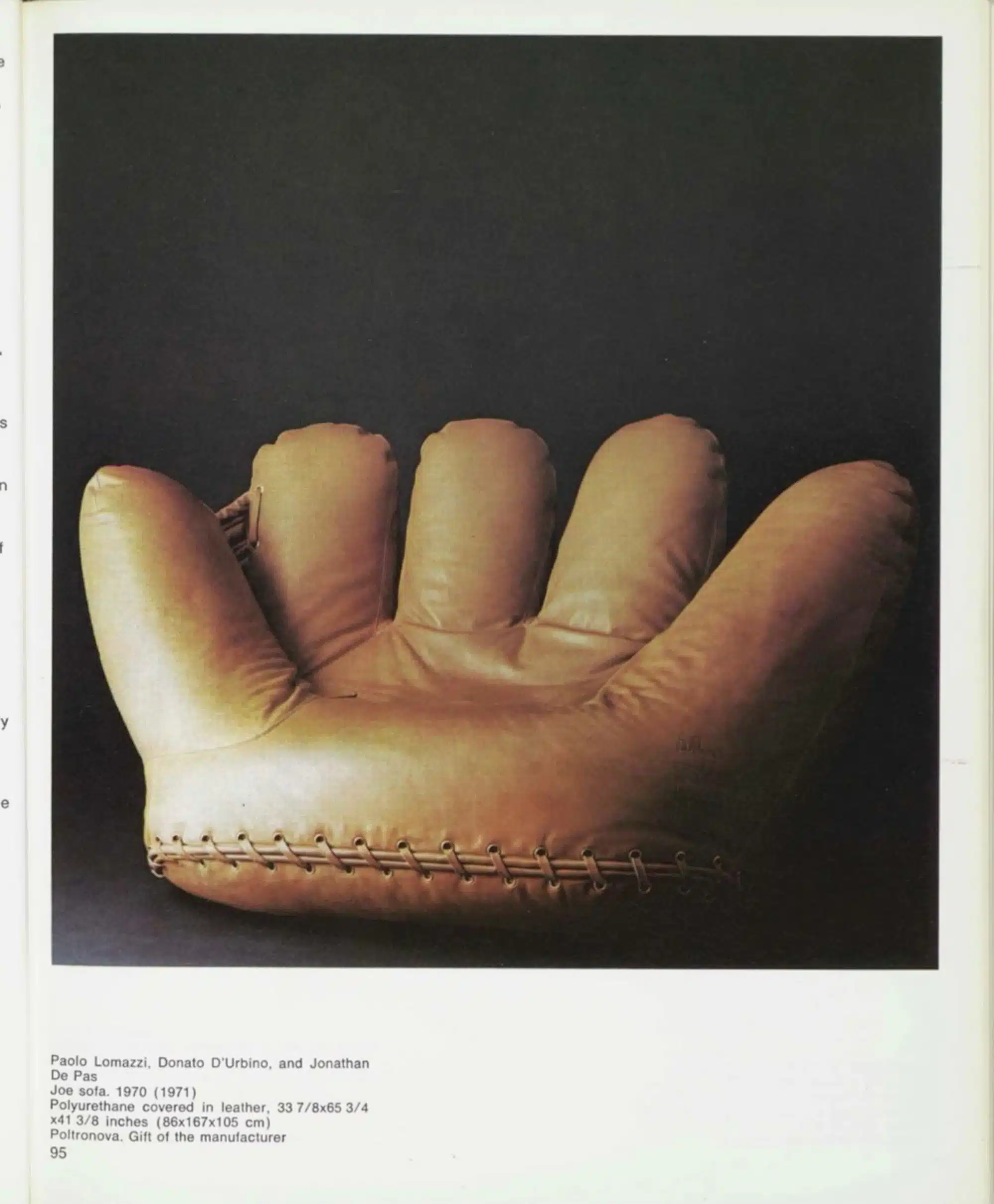
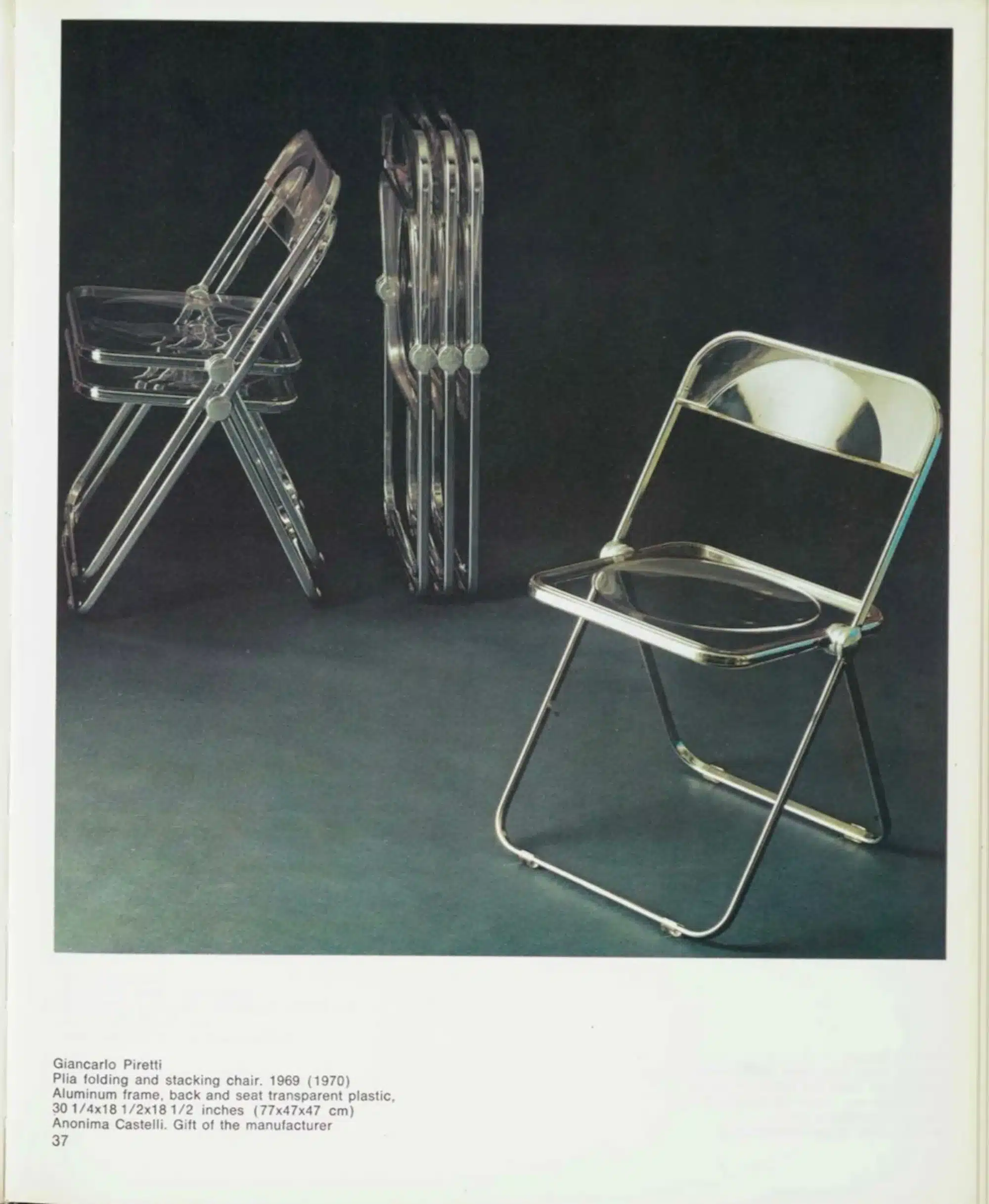
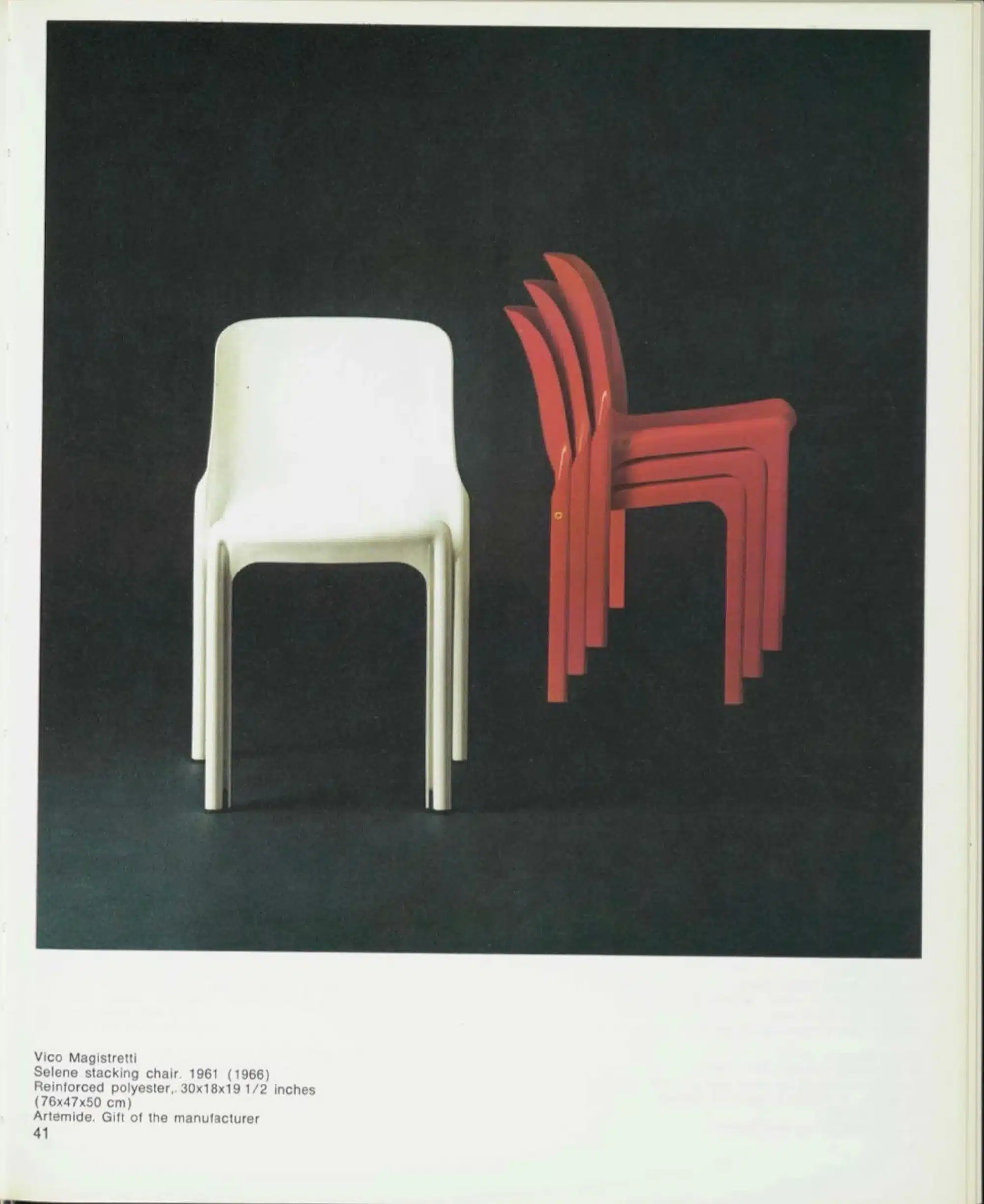
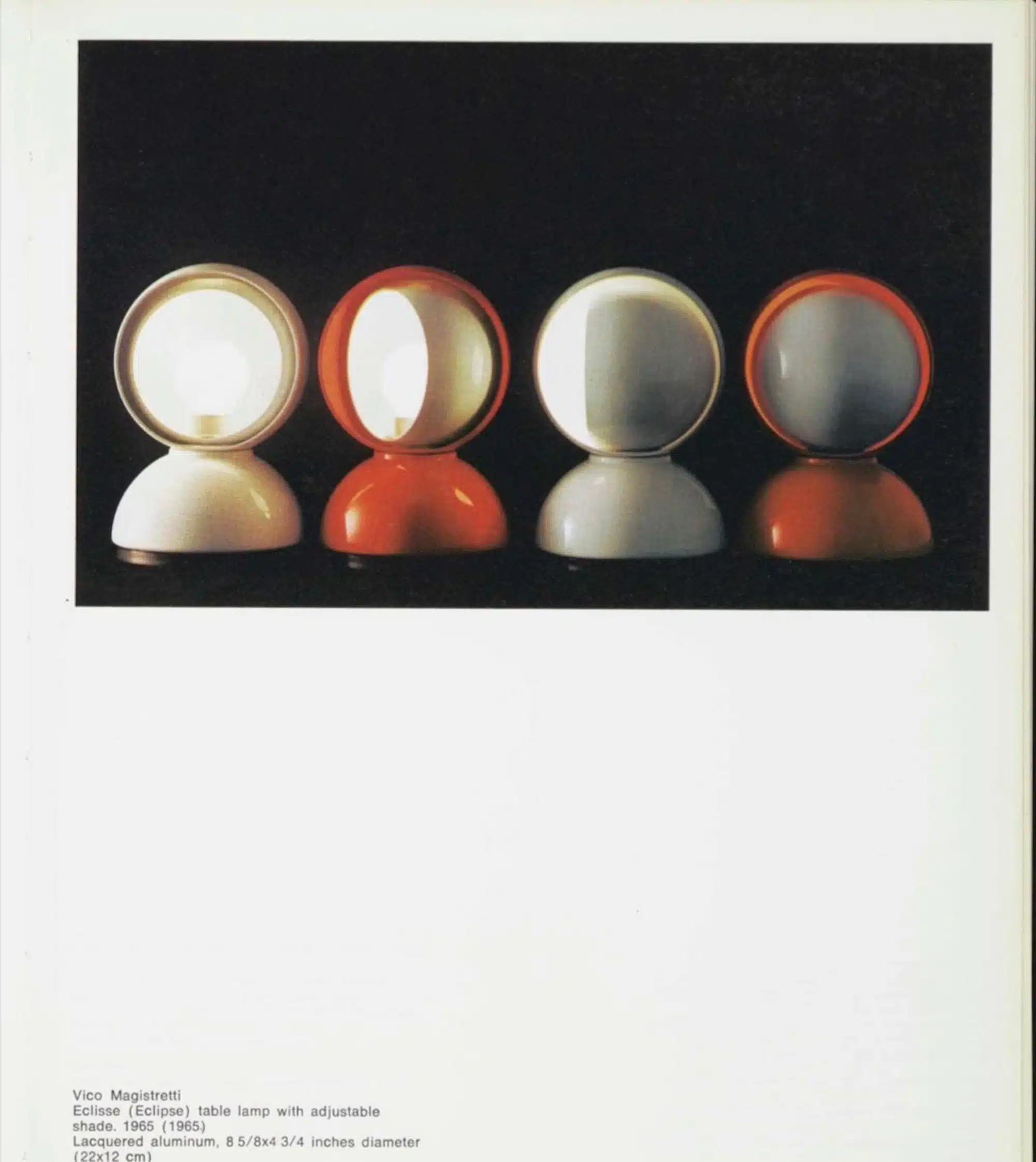
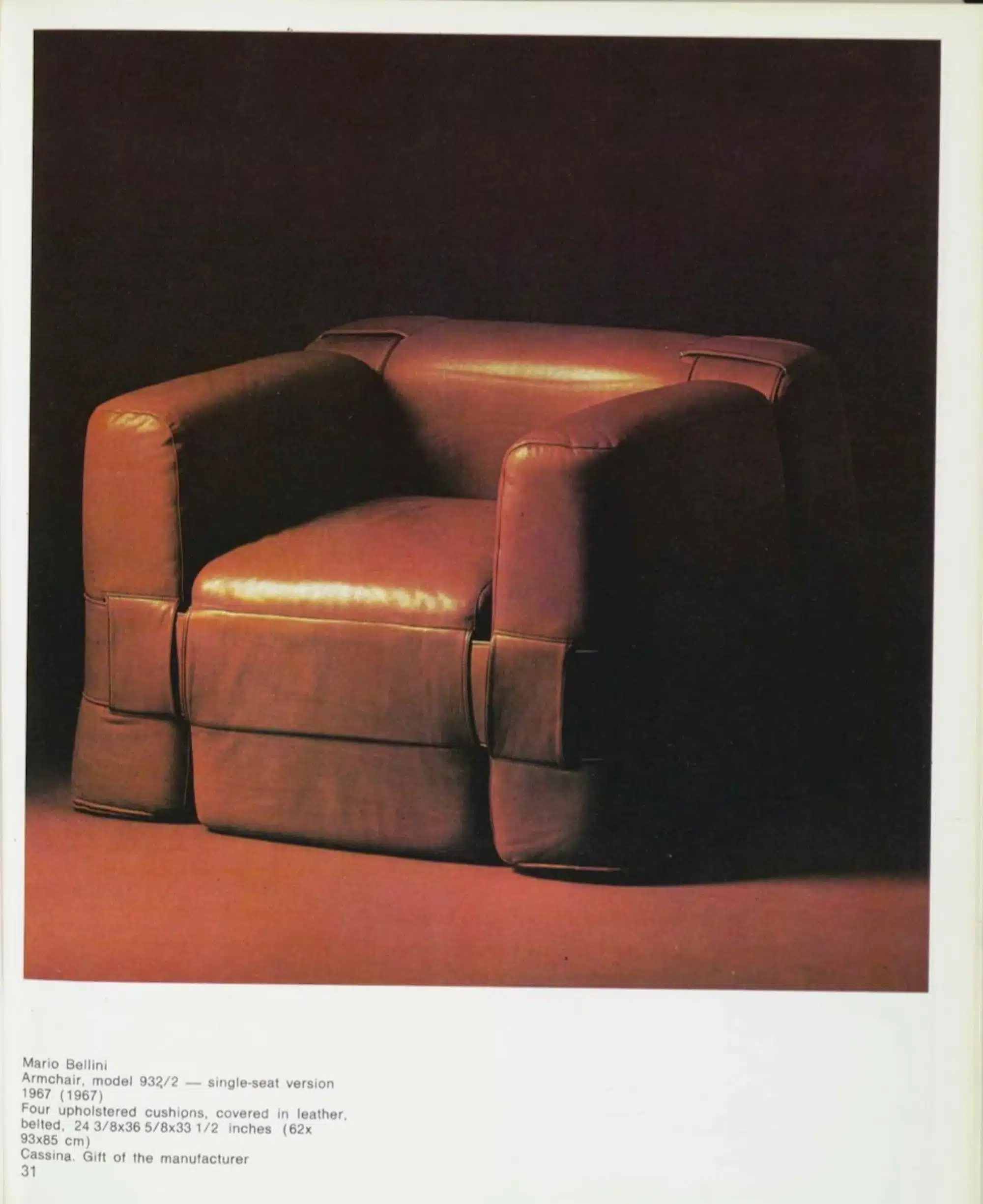

The exhibition Italy: The New Domestic Landscape, held at the Museum of Modern Art (MoMA) in New York from May to September 1972, remains one of the most iconic and transformative exhibitions in the history of modern design. Curated by Emilio Ambasz, this ambitious show highlighted the profound impact of Italian designers on domestic life and the evolution of modern interiors during the 1960s and early 1970s. It also explored how the intersection of aesthetics, technology, and culture had the power to challenge conventions and redefine the concept of domestic space in response to the rapid socio-political changes of the time.
By the early 1970s, Italy had firmly established itself as a global leader in innovative design. Post-war Italy experienced a period of remarkable economic growth, known as the miracolo economico (economic miracle), which saw the country transform into an industrial powerhouse. This newfound prosperity, coupled with Italy’s rich history of craftsmanship and design, allowed a new generation of designers to emerge. They experimented with bold ideas, using new materials and processes to challenge the traditional notions of furniture, objects, and living spaces.
During this era, Italian designers became known for their radical and futuristic concepts, many of which were reactions to the tumultuous social and political atmosphere. The student protests of 1968, increasing environmental concerns, and a widespread questioning of consumerism and modern life shaped the way designers thought about their work. These designers sought to propose alternative ways of living, often questioning whether design should cater to the growing consumer culture or resist it by promoting new, more thoughtful forms of interaction between people and their environments.
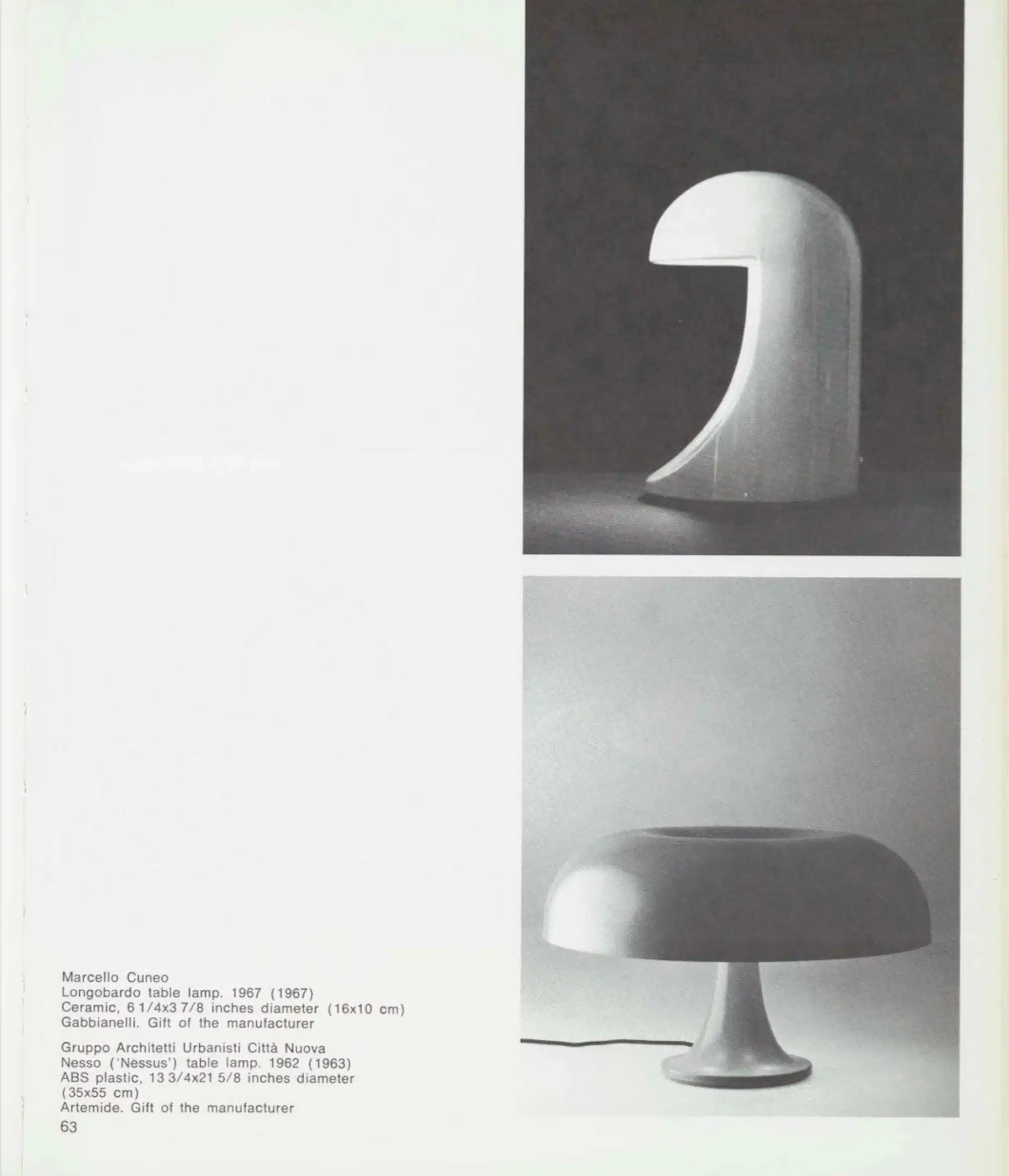
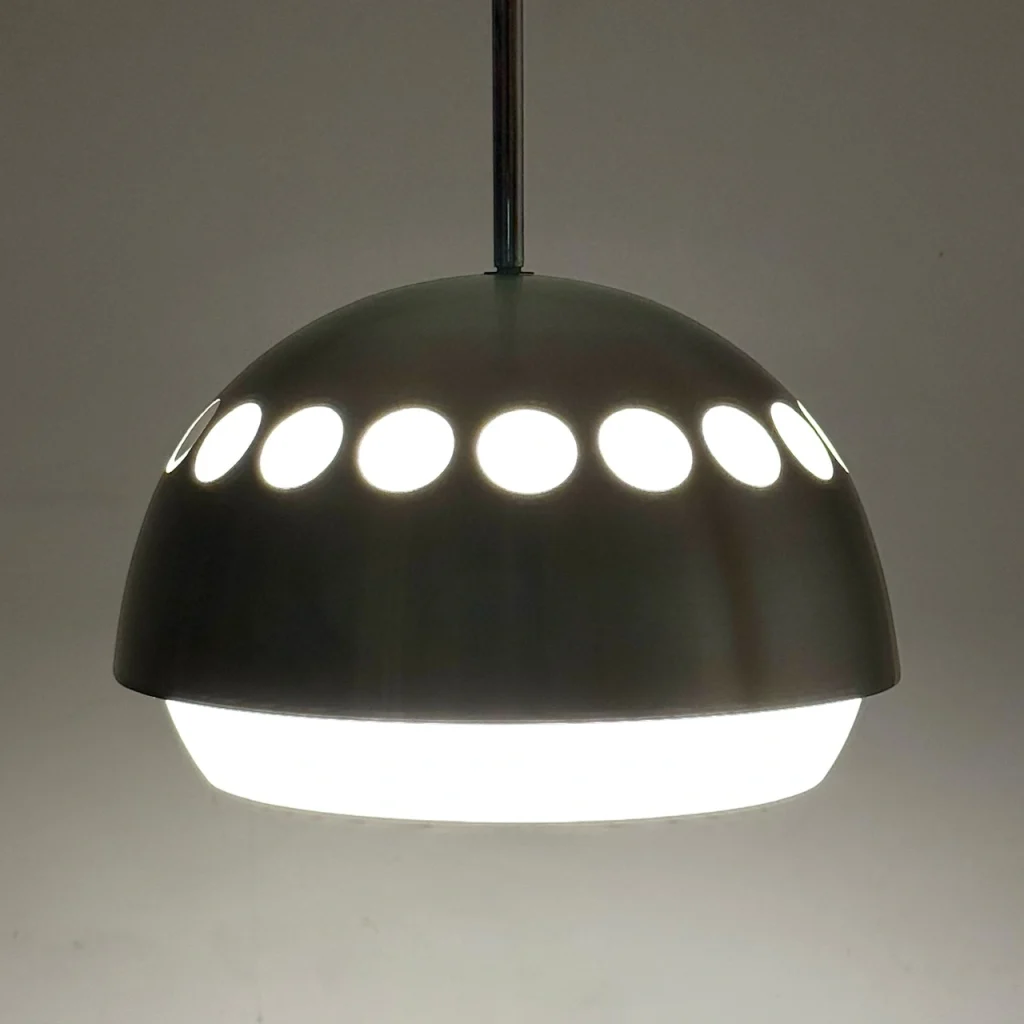
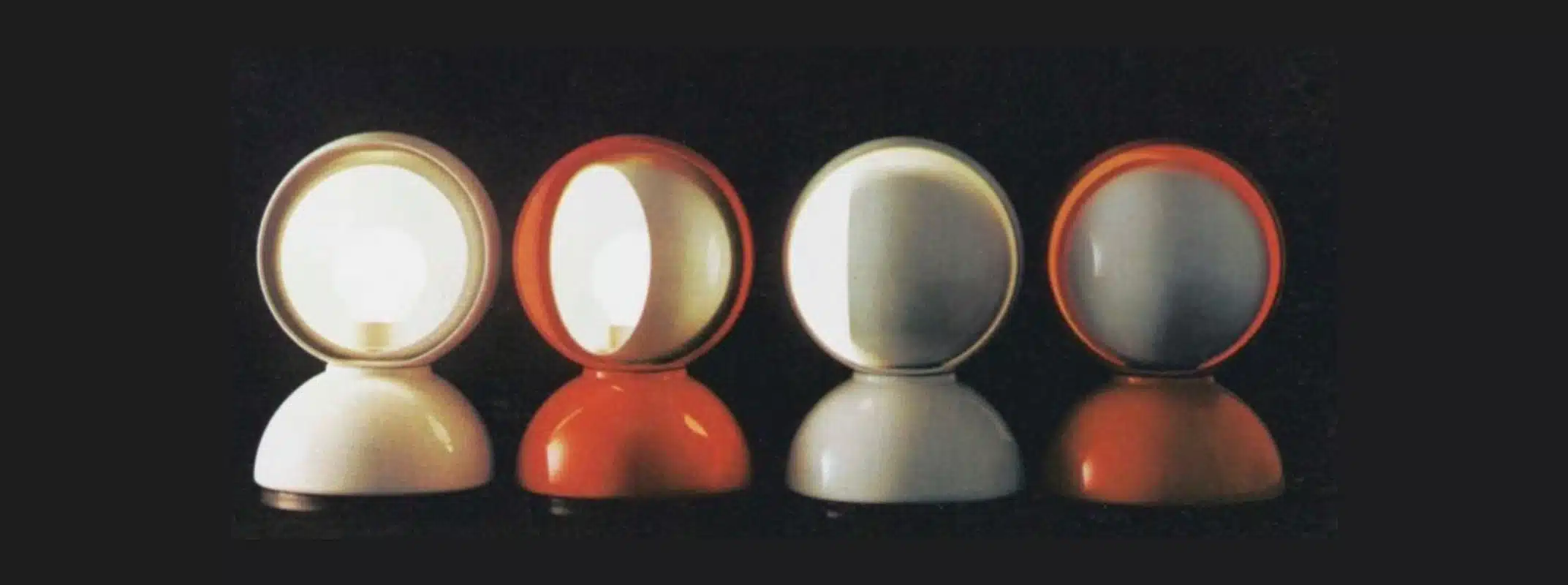
Italy: The New Domestic Landscape was organized into two main sections: Objects and Environments. The Objects section featured a wide range of Italian-designed consumer goods, furniture, and home accessories, showcasing the innovative use of new materials such as plastic and foam. These designs were functional yet playful, embodying the optimistic spirit of Italian modernism. Pieces by renowned designers like Ettore Sottsass, Gae Aulenti, and Joe Colombo were part of this selection, each exemplifying how Italian design was blending art, technology, and functionality to meet the changing needs of domestic life.
The Environments section, however, was the heart of the exhibition. This section presented 11 full-scale domestic environments created by some of Italy’s most forward-thinking architects and designers, each exploring different visions of the home of the future. These installations were not just practical living spaces; they were critical reflections on society, consumerism, and the role of design in shaping behavior.
One of the standout pieces in the Environments section was the Mies van der Rohe House designed by Ettore Sottsass, which questioned the relationship between the designer, the object, and the user. Sottsass, a key figure in the anti-design movement, was deeply critical of the increasing commercialization of design and used this space to highlight the tension between functionalism and emotional expression in modern domestic life.
Equally provocative was Joe Colombo’s Total Furnishing Unit, a fully integrated living system designed for compact urban apartments. His installation proposed a solution for modern living where all essential domestic functions (sleeping, cooking, working, and relaxing) could be integrated into one modular unit, reflecting Colombo’s vision of a flexible, space-saving future.
Other environments included Gaetano Pesce’s No-Stop City and Archizoom’s Non-Stop Living, both of which critiqued urban sprawl and the commodification of domestic spaces. These speculative projects showcased how Italian designers were envisioning alternatives to traditional urban living, questioning the sustainability of existing architectural models.
One of the key themes of the exhibition was the rise of the Radical Design movement, which emerged in Italy during the late 1960s and early 1970s. This movement, characterized by its opposition to the status quo, sought to challenge the traditional boundaries of design and architecture. Many of the designers featured in Italy: The New Domestic Landscape were associated with this movement, and their work in the exhibition was a reflection of their anti-establishment ideals.
For example, the radical design group Superstudio presented their Supersurface project, which imagined a utopian future where architecture would be rendered obsolete, and people would live on an infinite, featureless surface equipped with all the technology necessary for survival. This speculative vision challenged the very notion of the home as a fixed, physical space and instead proposed a new, nomadic way of living that broke free from traditional constraints.
The anti-design ethos was also visible in the work of designers like Gaetano Pesce, whose flexible, colorful objects defied the rigid, functionalist aesthetics of modernism. Pesce’s work, along with that of others in the movement, used design to make political and social statements, often embracing humor and irony as a way to critique contemporary society.
The exhibition was groundbreaking in that it not only celebrated the creativity and innovation of Italian designers but also questioned the role of design in a rapidly changing world. Ambasz’s vision for the show was to move beyond merely showcasing beautiful objects and instead explore the deeper cultural and social implications of design. By presenting a mix of commercial products and experimental installations, the exhibition offered a holistic view of Italian design as both a consumer-driven industry and a critical practice.
Italy: The New Domestic Landscape had a lasting impact on the field of design, influencing subsequent generations of designers and architects. It was one of the first major exhibitions to treat design as a form of cultural commentary, and it helped elevate the status of Italian design on the global stage.
The exhibition also marked a turning point in the way design was understood within museums. Rather than simply presenting objects for aesthetic appreciation, Italy: The New Domestic Landscape treated design as a medium through which broader social, political, and environmental issues could be explored. This approach has since become a common feature in design exhibitions worldwide.
Fifty years after its debut, Italy: The New Domestic Landscape remains a seminal moment in the history of design. It captured a unique period in time when designers were not only shaping objects and interiors but also engaging with the deeper questions of how we live and interact with the world around us. The bold ideas and experimental forms showcased in this exhibition continue to resonate with designers, architects, and thinkers today, reminding us that design is not just about solving problems but also about imagining new possibilities for the future of domestic life.