
Are you captivated by the funky and colorful vibe of the 1970s and eager to infuse your modern home with some of that retro charm? You’re in good company! Retro 70s decor is all the rage in today’s interior design scene, and it’s easy to see why.
This distinctive style blends the best of the past with modern flair, offering a look that’s both unique and eclectic. It’s about celebrating individuality, unleashing creativity, and adding a dash of fun to your living spaces. With its ability to create a cozy, inviting, and vibrant atmosphere, it’s no wonder so many are drawn to it.
In this guide, we’ll take you through how to revive the groovy style of the 70s in your contemporary abode. From understanding the quintessential 70s aesthetic to incorporating 70s decor and highlighting modern spaces with a 70s twist, we’ve got you covered. Plus, we’ll share insightful tips and ideas to help you craft a home that’s both stunning and stylish with retro 70s decor.
Ready to journey back in time and embrace the nostalgia of the 70s? Let’s dive in!
The 70s were a decade marked by experimentation, innovation, and diversity in interior design. This era’s aesthetic captured the essence of the social and cultural shifts occurring at the time, including the hippie movement, the disco craze, and a growing environmental consciousness. To grasp the 70s aesthetic, it’s important to explore the main elements that characterized it: the distinctive color palette, the signature furniture styles, and the decorative elements that infused spaces with personality and flair.
The 70s color palette was shaped by two main influences: the earthy tones and the vibrant hues. Earthy tones, comprising shades of brown, green, orange, and yellow, drew inspiration from nature and organic living, creating a warm, cozy atmosphere that stood in contrast to the previous decade’s cold, impersonal modernism. The vibrant hues, including shades of pink, purple, blue, and red, were influenced by psychedelic art, pop culture, and the disco scene, injecting spaces with fun, energy, and excitement. The 70s often embraced a mix-and-match approach to these colors, resulting in a dynamic and eclectic look.
The furniture styles of the 70s were as diverse and adaptable as the decade itself, ranging from traditional to futuristic. Popular furniture styles included:
The 70s were a time for creativity and self-expression, evident in the era’s decorative elements. Common and iconic decorations included:
Now that you have a better understanding of the 70s aesthetic, you might be wondering how to incorporate it in your modern home without making it look outdated or kitschy. The good news is that you don’t have to go all out with the retro style, but you can mix and match it with contemporary design elements to create a balanced and fresh look.
Here are some tips on how to do that:
One of the easiest ways to incorporate 70s decor in your modern home is to mix and match it with contemporary design elements. This way, you can create a contrast between the old and the new, and highlight the best features of both styles.
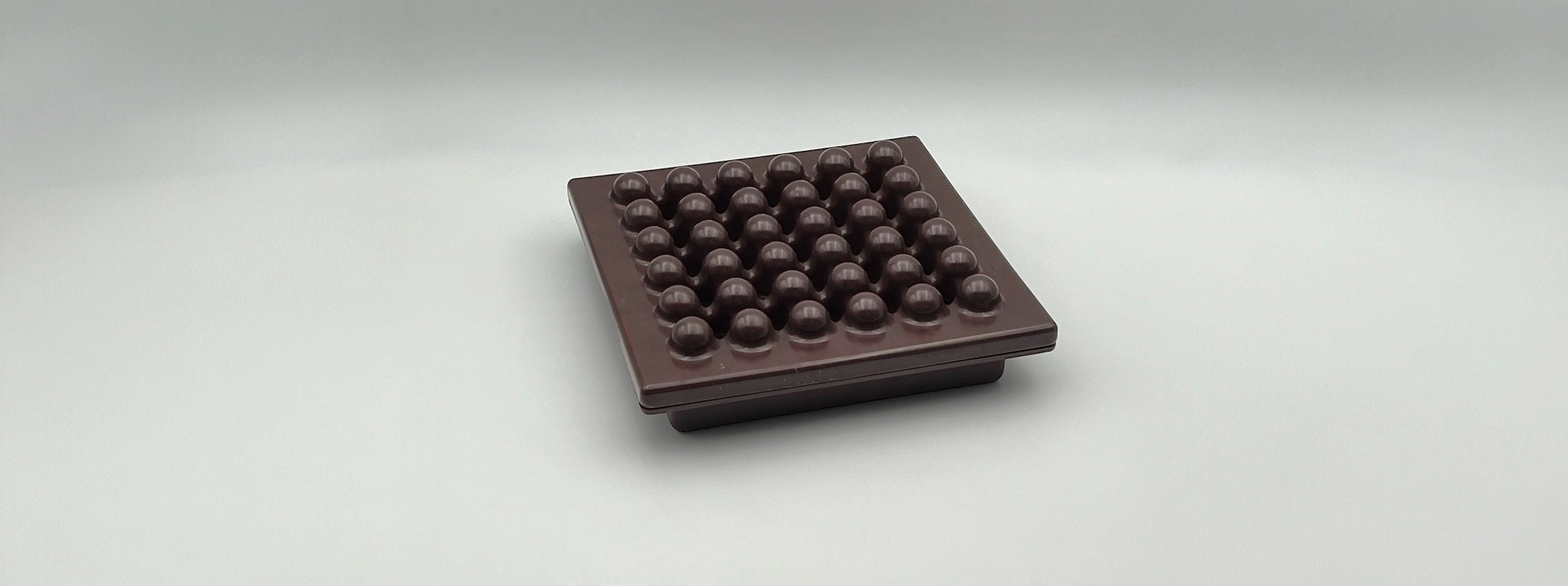
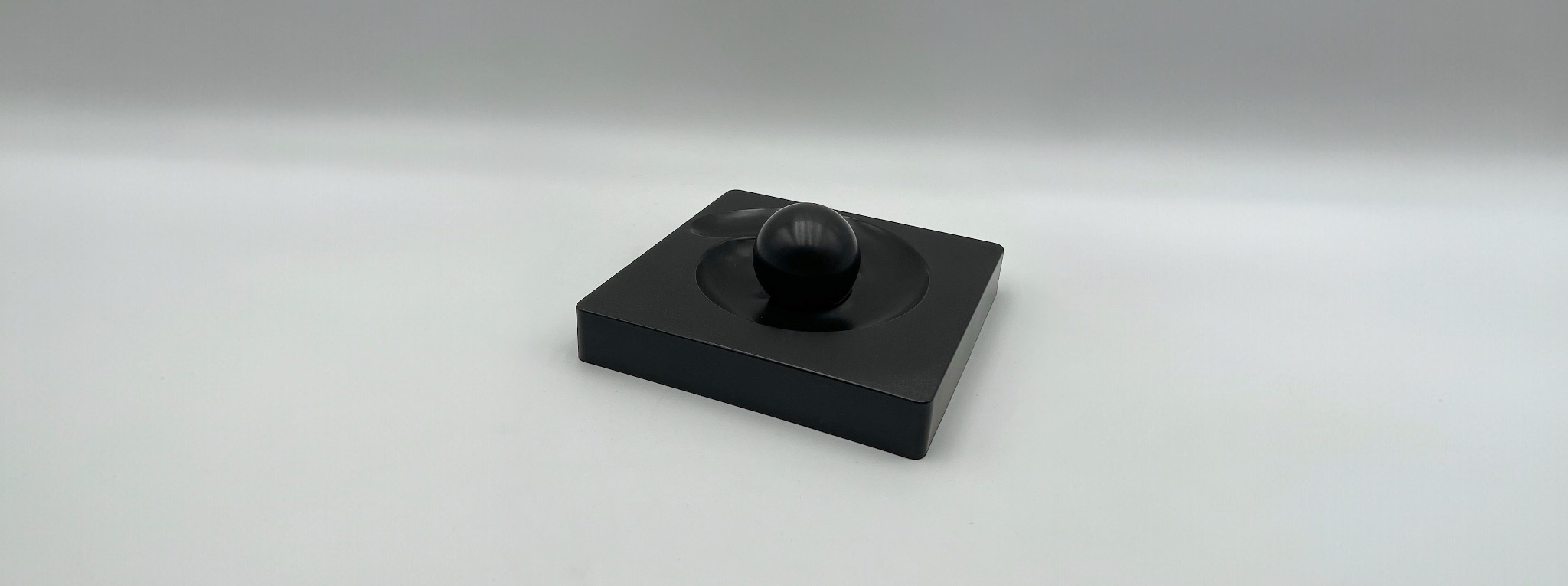
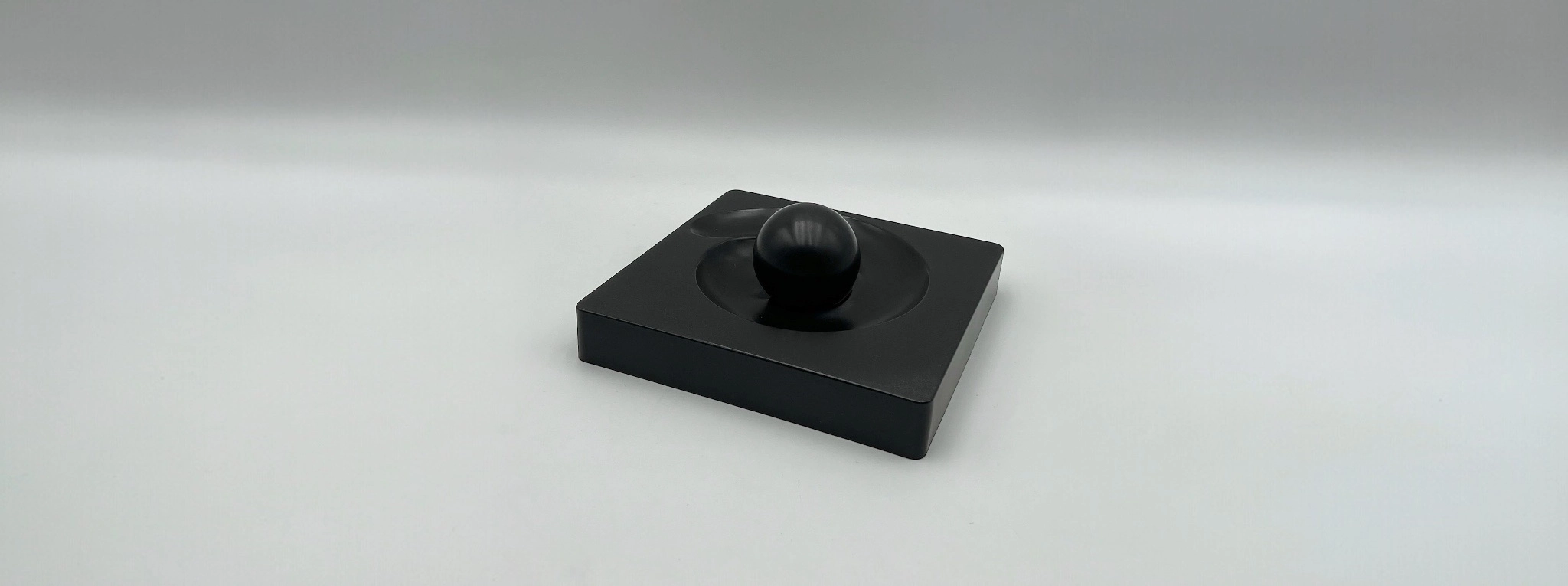
For example, you can pair a sleek and minimalist sofa with a colorful and patterned rug, or a striking geometric coffee table with a cozy and plush armchair. You can also use accessories such as pillows, lamps, and the artemide spyros ashtray to add pops of 70s colors and patterns to your neutral and modern spaces.
Another way to incorporate 70s decor in your modern home is to focus on functionality. The 70s were a time of innovation and experimentation, and many of the furniture and design elements of the era were designed for easy transport, assembly, and rearrangement. For example, modular furniture, such as sofas, shelves, and tables, were ideal for small and flexible spaces, as they could be customized and adapted to different needs and preferences.
You can use these pieces in your modern home to create versatile and practical spaces that suit your lifestyle and personality.
A third way to incorporate 70s decor in your modern home is to create a seamless fusion between the two styles. This means that you don’t have to separate the 70s elements from the modern ones, but you can blend them together in a harmonious and cohesive way. For example, you can use the same color palette, such as warm and earthy tones, for both your 70s and modern pieces, creating a unified and inviting atmosphere.
You can also use natural elements, such as plants, wood, and stone, to bring a sense of nature and harmony to your spaces. You can also use decorative elements that have a 70s-inspired modern twist, such as glass, metal, or terrazzo, to add some sparkle and interest to your spaces.
So far, we’ve shown you how to understand and incorporate the 70s aesthetic into your modern home. If you’re still on the hunt for inspiration and guidance, we’re here to help.
In this section, we’re excited to showcase some 70s-inspired modern spaces that are sure to make you fall in love with the retro style all over again. Plus, we’ll share some captivating before and after transformations that demonstrate how simple changes can achieve the 70s look.
And finally, we’ll provide you with some DIY projects and shopping tips to help you capture the look without spending a fortune. Let’s dive in!
One of the best ways to get inspired by the 70s style is to see how it has been beautifully incorporated into other people’s homes. There’s a wealth of examples online and in magazines that highlight the beauty and versatility of 70s decor.
Here are some of our favorites:
Transforming your space into a 70s-inspired haven can be surprisingly easy with just a few tweaks and changes. Here are some before and after transformations that will inspire you:
If you’re feeling crafty, creating your own 70s-inspired decor with DIY projects is a great way to capture the era’s essence. Here are some of our favorite tutorials and ideas:
If DIY isn’t your thing, shopping for 70s-inspired decor online or in stores is another great option. There are countless vintage and modern options available that cater to all tastes and budgets. Here’s how to shop for 70s decor:
Retro 70s decor is a style that can make any modern home feel more cozy, inviting, and lively. It’s a style that combines elements of the past with contemporary touches, creating a unique and eclectic look.
It’s a style that celebrates individuality, creativity, and fun.
In this article, we’ve shown you how to revive the groovy style of the 70s in your modern home. We’ve helped you understand the 70s aesthetic, how to incorporate 70s decor in your spaces, and how to highlight 70s-inspired modern spaces. We’ve also given you some tips and ideas on how to use retro 70s decor to create a stunning and stylish home.
Now it’s your turn to try it out and see the difference. Whether you want to go all out with the retro style, or just add some subtle touches, you can find plenty of inspiration and guidance online and in stores.
You can also get creative and make your own 70s decor with some DIY projects.
So, what are you waiting for? Go ahead and unleash your inner 70s spirit and transform your home into a retro paradise.
You’ll love the results!