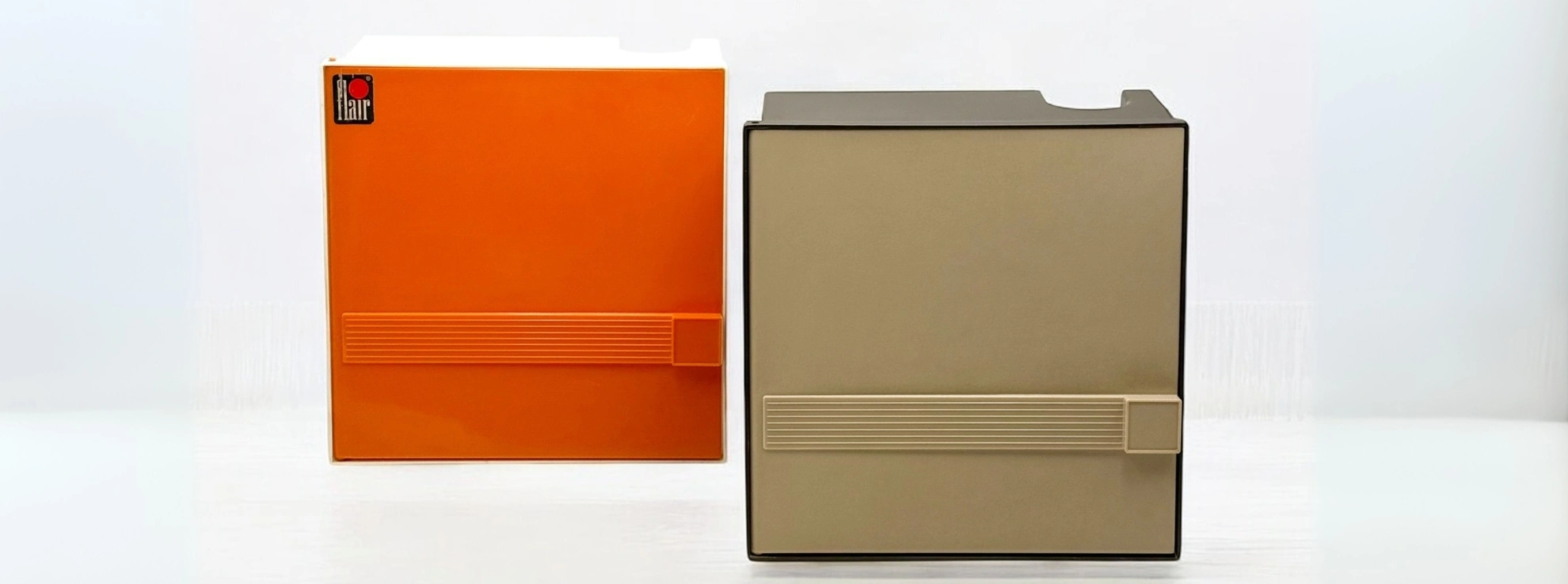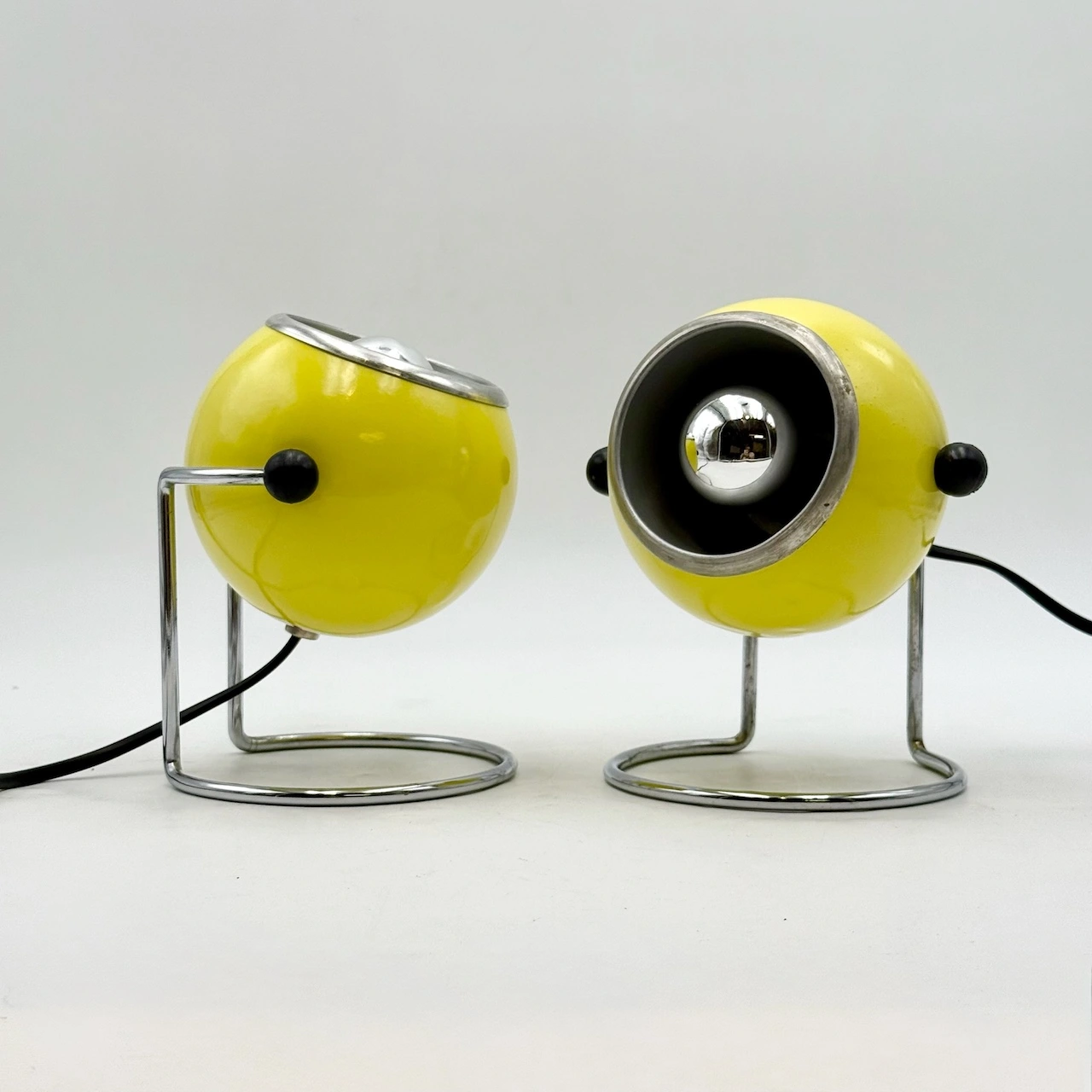
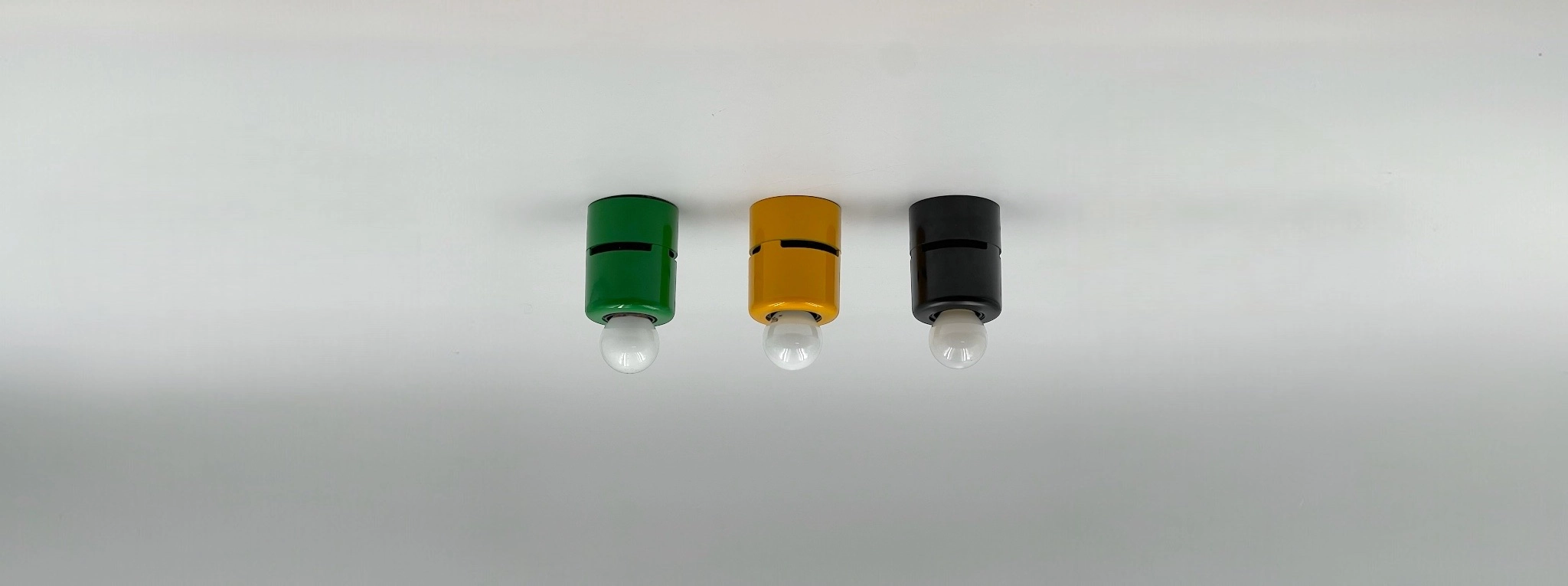
If you’re captivated by the retro vibe of the 80s, you might be considering integrating some of that distinct style into your living space with a vintage 80s lamp. Whether you’re drawn to a ceramic table lamp, a postmodern floor lamp, or a colorful pendant lamp, an 80s lamp can inject a unique personality and flair into any room.
In this article, we’ll delve into the history and characteristics of 80s lamp design, discuss how to seamlessly incorporate it into your modern decor, and share insights on where to find the best deals on both authentic and replica 80s lamps.
The 80s were a decade of experimentation, innovation, and diversity in lamp design. From the playful shapes and colors of the Memphis Group to the sleek and futuristic forms of the High-Tech style, the 80s lamps reflected the cultural and technological changes of the era.
In this section, we’ll explore the signature styles and the era-defining design movements that made the 80s lamps so distinctive and appealing.
One of the most recognizable features of the 80s lamps was the use of geometric shapes and patterns. Circles, triangles, squares, and zigzags were combined to create dynamic and eye-catching designs.
Enthusiasts of 80s lighting can appreciate the infusion of creativity with designs like the luci milano sat 50 lamp, an example of European elegance and simplicity during the period.
Another characteristic of the 80s lamps was the use of bright and contrasting colors. Neon, pastel, and metallic hues were mixed to create a vibrant and cheerful atmosphere. Some examples of this style are the Vintage Happylight Wall Lamp by Dutch Design, the Postmodern Design Black Plastic Flip Table Lamp by Retro Desk Lamps, and the Vintage Design Pendant Lamp in Memphis Style.
A third feature of the 80s lamps was the use of materials and textures. Glass, metal, wood, plastic, and ceramic were used to create different effects and sensations. A noteworthy example of the era’s ingenuity is the Targetti Sankey anthropomorphic lamp, which fuses form and function in a strikingly playful manner.
The 80s lamps were also influenced by various design movements that emerged or evolved during the decade. Some of the most influential ones were:
These are some of the main styles and movements that shaped the 80s lamp design. In the next section, we’ll see how to incorporate these lamps into your modern decor and create a unique and retro look for your home.
Discovering the unique appeal of 80s lamp design opens up a world of possibilities for integrating these vintage pieces into your modern decor. Fortunately, embracing the retro charm of 80s lamps doesn’t mean you have to compromise on your contemporary style.
In this section, we’ll guide you through finding the ideal spot for your vintage lighting and blending it seamlessly with your modern aesthetics for a harmonious effect.
Choosing the right placement for your 80s lamps is essential in modern decor. The size, shape, and color of your lamp will influence whether it serves as a focal point, an accent, or a complementary piece to your existing lighting setup.
For a truly iconic piece, you might position a Stilnovo ‘plafoniera’ in the mix, as its design exemplifies the geometric and functional aesthetic prevalent in the era.
By carefully selecting the right spot for your vintage lamp, you can maximize its unique characteristics and highlight its beauty.
Integrating 80s lamps into your modern decor also involves creating a contrast between vintage and contemporary elements that is both pleasing and harmonious.
Here are some strategies for achieving a balanced blend of old and new:
By thoughtfully blending old with new, you can forge a design harmony that is both nostalgic and contemporary.
Have you stumbled upon a vintage 80s lamp that captures your heart, yet it’s seen better days? Or perhaps you’re enchanted by the style of the 80s lamps, but finding the perfect one remains elusive. Fear not, for there are ways to breathe new life into these classic designs and let them shine once more.
In this guide, we’ll unveil how to cherish your vintage discoveries and where to find modern replicas that embody the quintessential 80s lamp design.
If you’re the proud owner of a vintage 80s lamp in need of some Tender Loving Care, restoring it to its former glory is simpler than you might think. Here’s how to preserve your vintage treasures:
By adhering to these steps, your vintage 80s lamp can continue to spread its retro allure for many years to come.
Numerous online stores and brands offer contemporary versions of 80s lamp designs, including updated takes on classics like the elegant iguzzini acrylic lamp, which effortlessly marries modern technology with retro design.
Opting for one of these modern replicas allows you to illuminate your contemporary space with a piece of vintage charm, creating a unique and retro ambiance in your home.
In this article, we’ve delved into the captivating world of 80s lamp design, uncovering how to inject a touch of vintage brilliance into your contemporary living areas. We’ve uncovered the unique charm of 80s lamp design, including its hallmark styles and the groundbreaking design movements that defined the era. Furthermore, we’ve discussed strategies for integrating 80s lamps into your modern decor and techniques for reviving these iconic pieces through restoration and replicas. We hope this journey back in time has not only been enjoyable but also sparked some creative ideas for enhancing your own space.
If you’re poised to infuse your environment with some 80s flair, explore our online shop for the finest selections of authentic and replica 80s lamps. It’s an opportunity you won’t want to miss!
Lava lamps, while not exclusive to the 80s, certainly enjoyed popularity during that decade. Originating in the 1960s, these captivating lights became essential decor in apartments, dorm rooms, and even among low-level cults throughout the ’60s and ’70s. Despite a dip in popularity in the early ’80s, replaced by the eerie allure of ultra-pale Nagel paintings, lava lamps saw a resurgence in the late ’80s and ’90s. This revival was largely due to the acid house and rave scenes, along with a growing nostalgia for the ‘Summer of Love’.
A Tiffany lamp, known for its beautiful stained glass shade, owes its name to its inventor, Louis Comfort Tiffany, a renowned American artist and designer of the late 19th century. This decorative lamp epitomizes the Art Nouveau movement and Tiffany’s innovative approach to glass artistry.
To verify whether your lamp is an authentic Tiffany, you should inspect for signature markings, assess the materials and craftsmanship, and evaluate the age and patina of the lamp. Authentic Tiffany lamps typically bear a signature etched into the glass or metal, stating “Tiffany Studios New York” or “Tiffany Furnaces”. They are also characterized by their use of high-quality materials like leaded glass and bronze, coupled with a unique and intricate design. Furthermore, a genuine Tiffany lamp will exhibit signs of aging, such as a darkened or greenish patina on the metal parts.
Determining the age of your lamp can be achieved by looking for makers’ marks on the base or the light fixture, which may include a name, symbol, or date stamp of the manufacturer. Additionally, examining the cord and plug can offer clues; older lamps typically feature prongs of the same size, exposed wires or screws, and are often accompanied by fabric or cotton-covered cords.