
250,00 €
A unique vintage piece
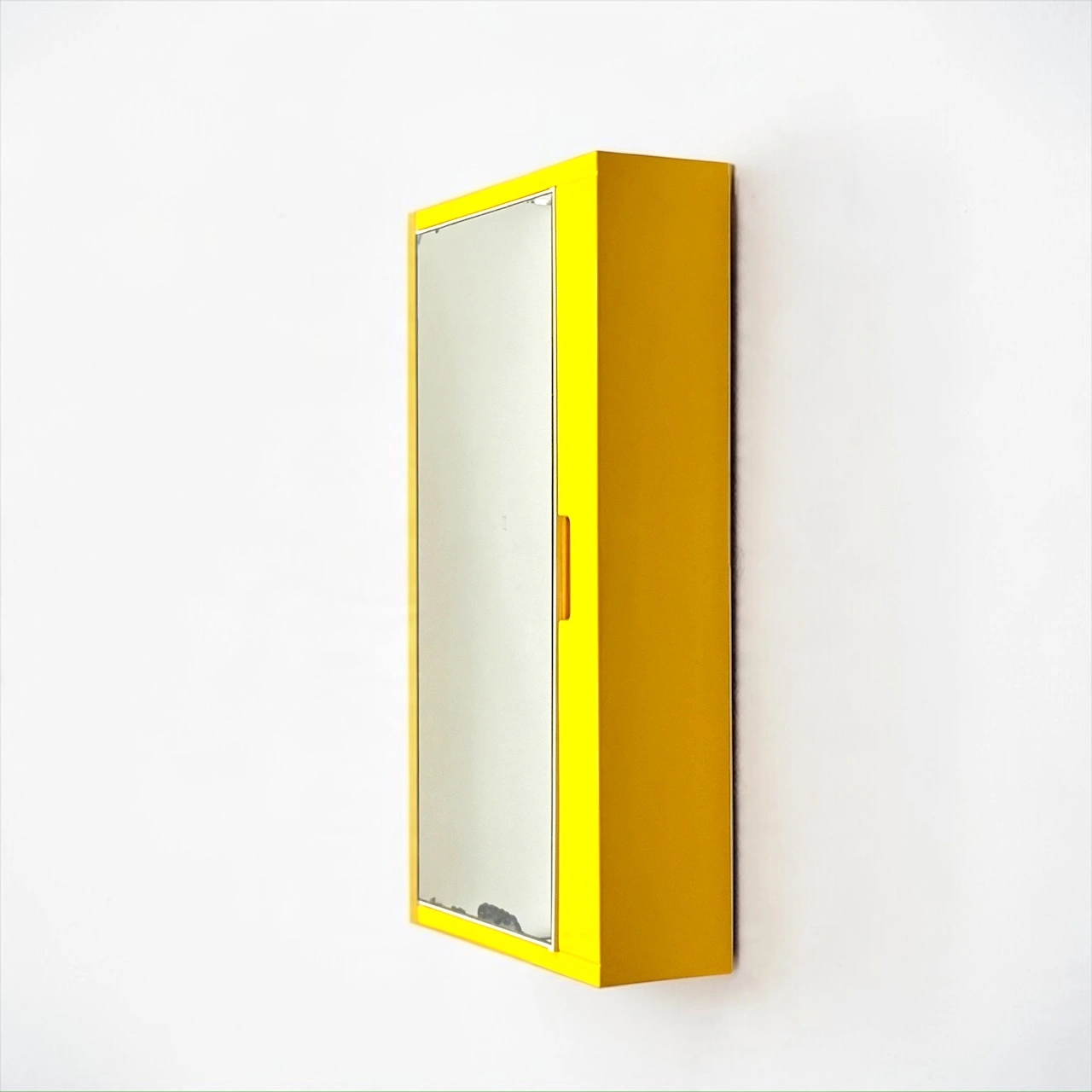
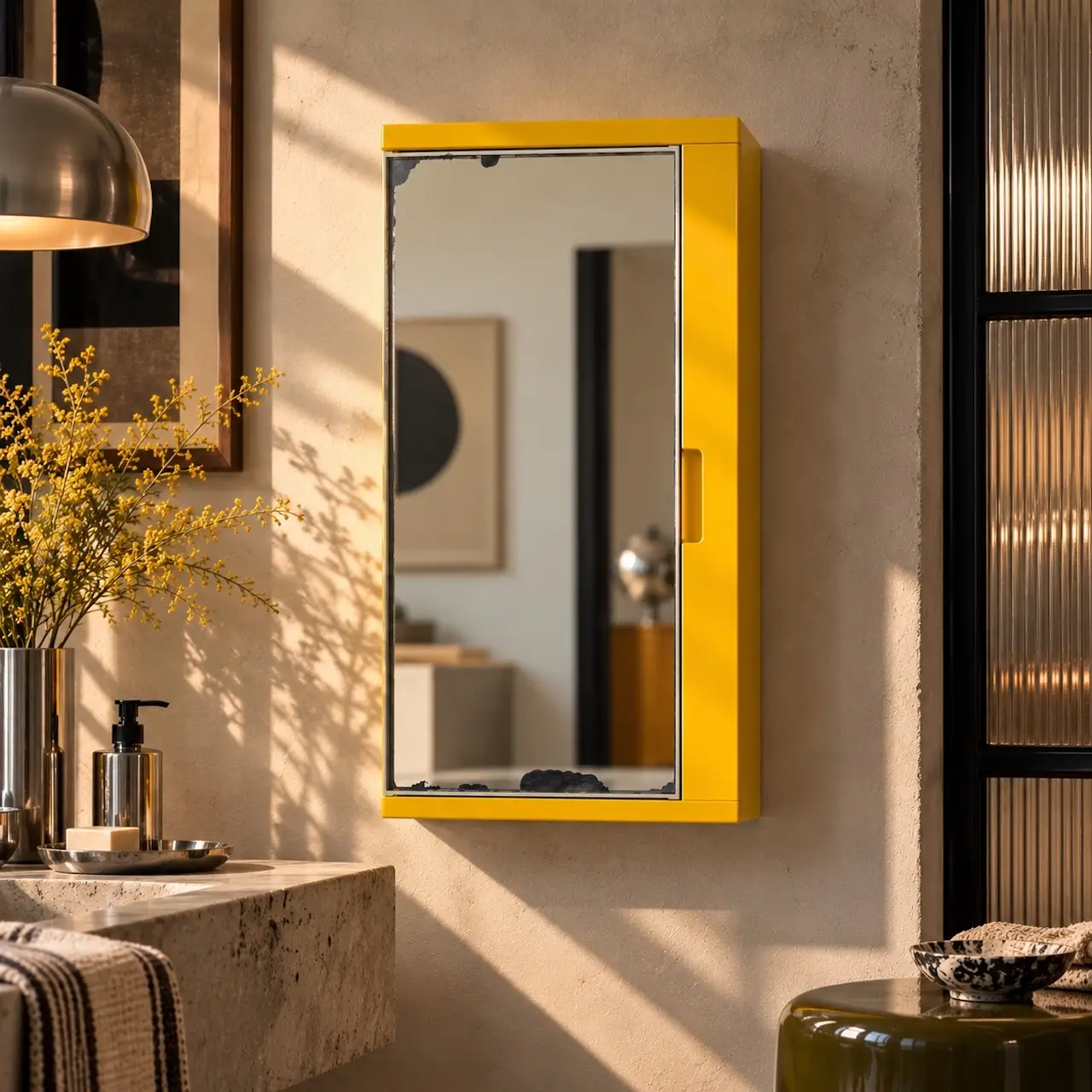
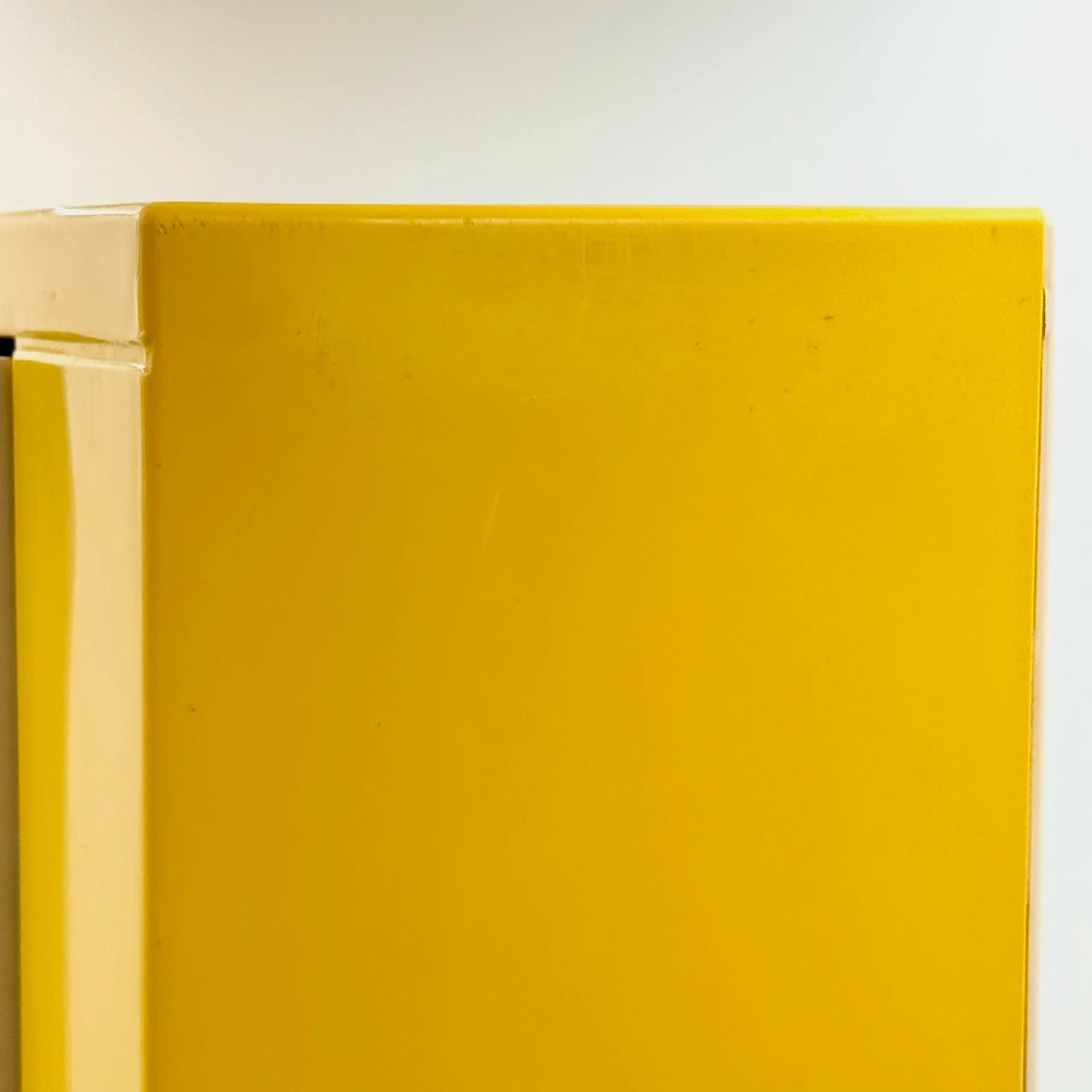
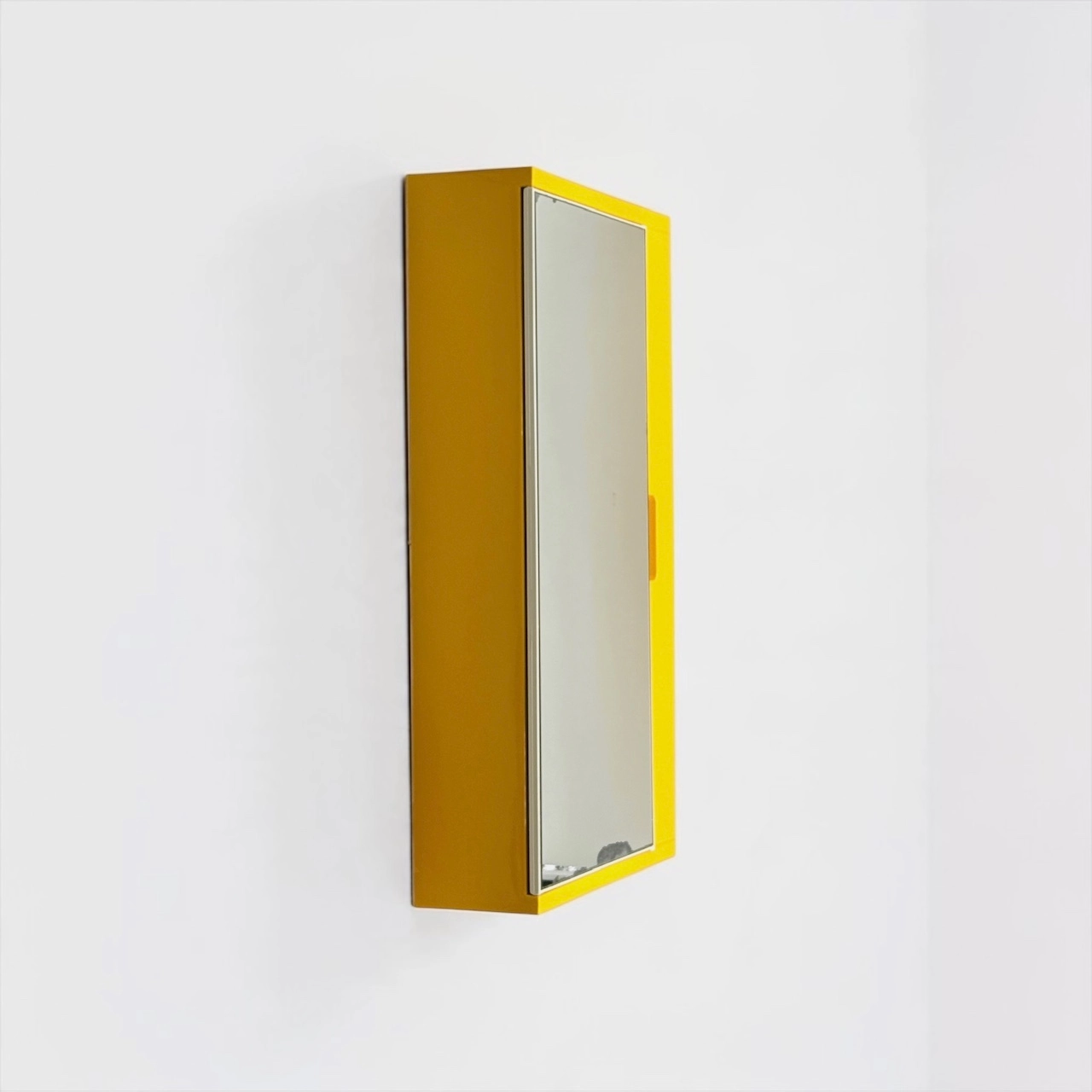
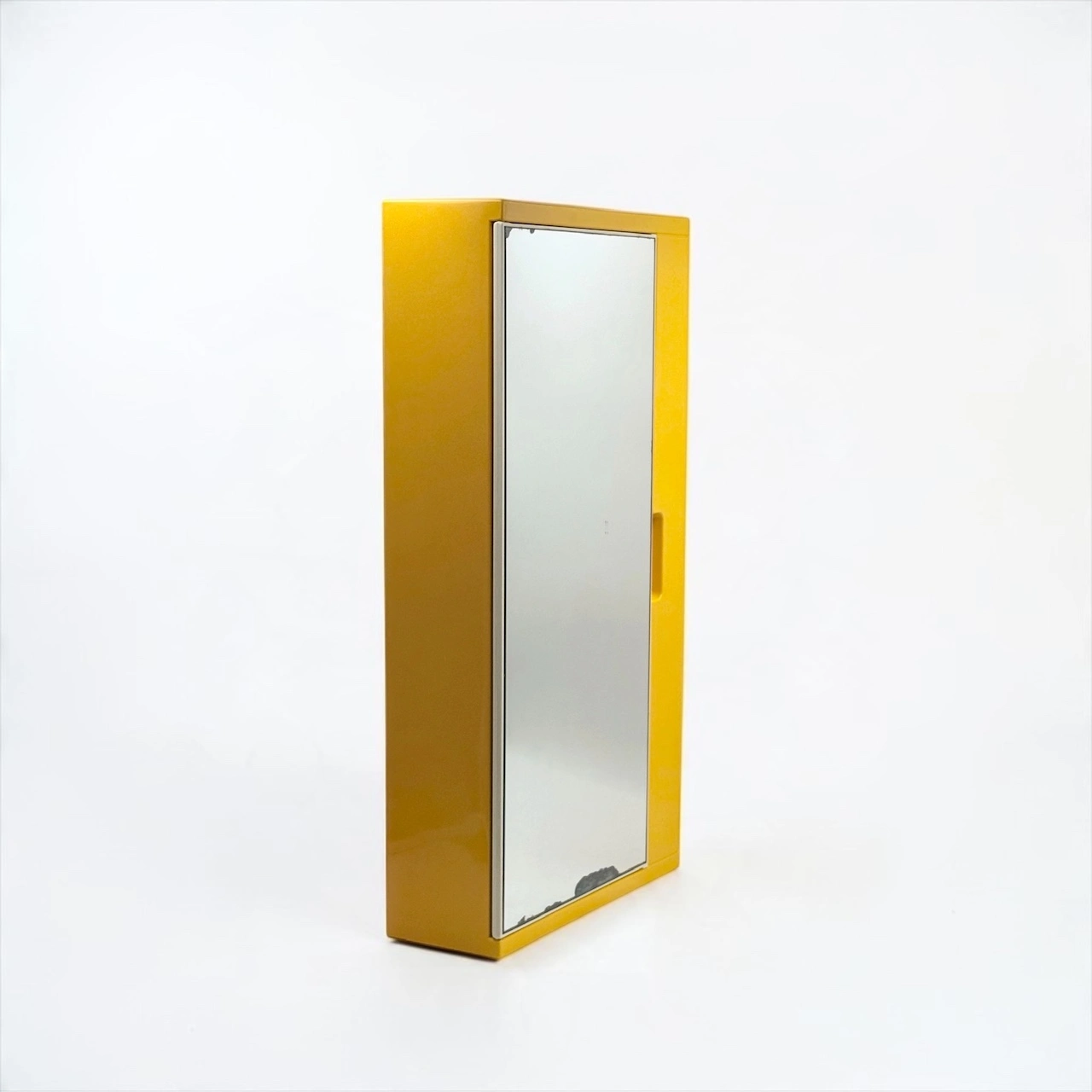
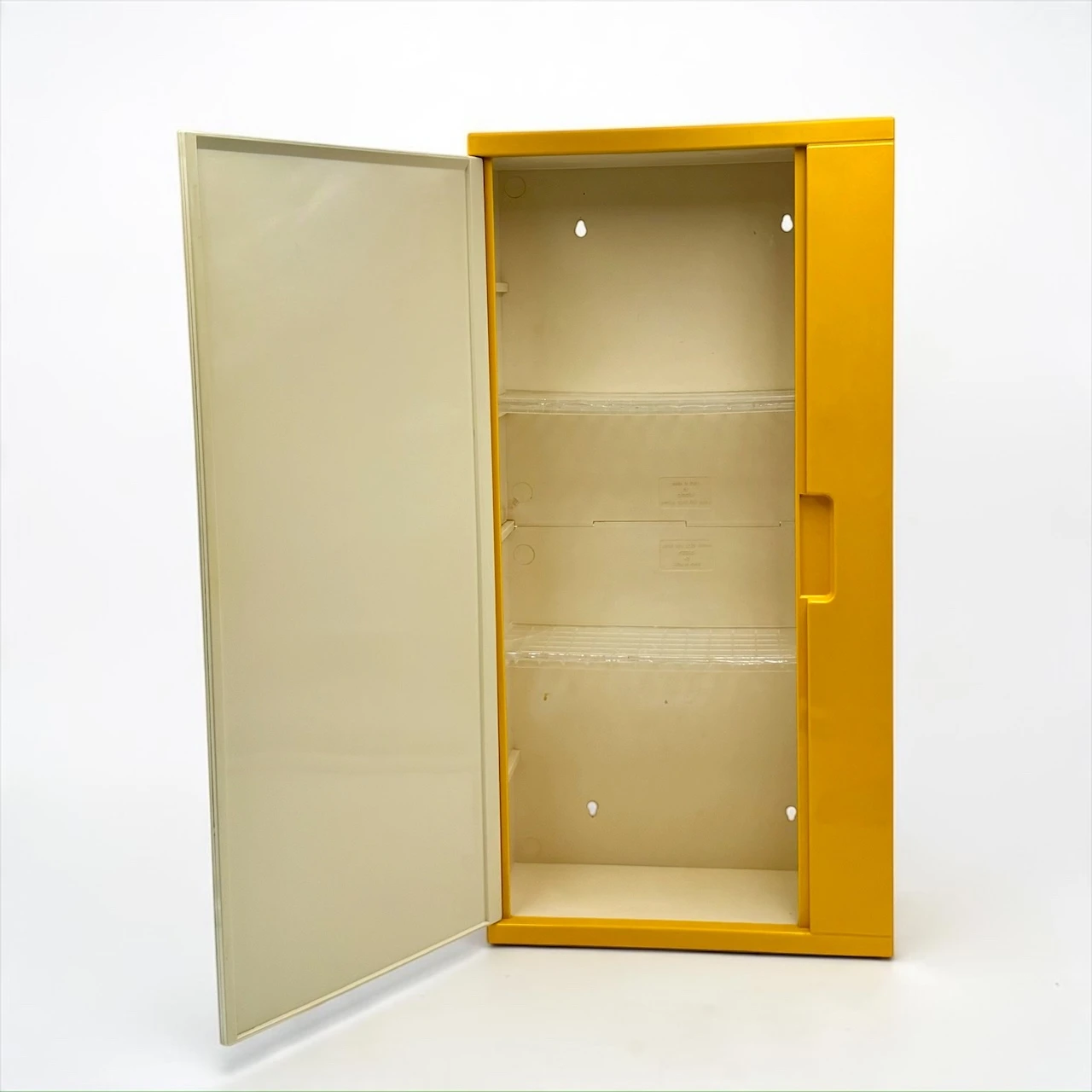
A striking yellow Gedy mirror cabinet by Olaf von Bohr, combining a minimalist 1970s silhouette with practical concealed storage and a reversible mirrored door.
Question or details? We reply personally.
Professionally packed and fully insured worldwide
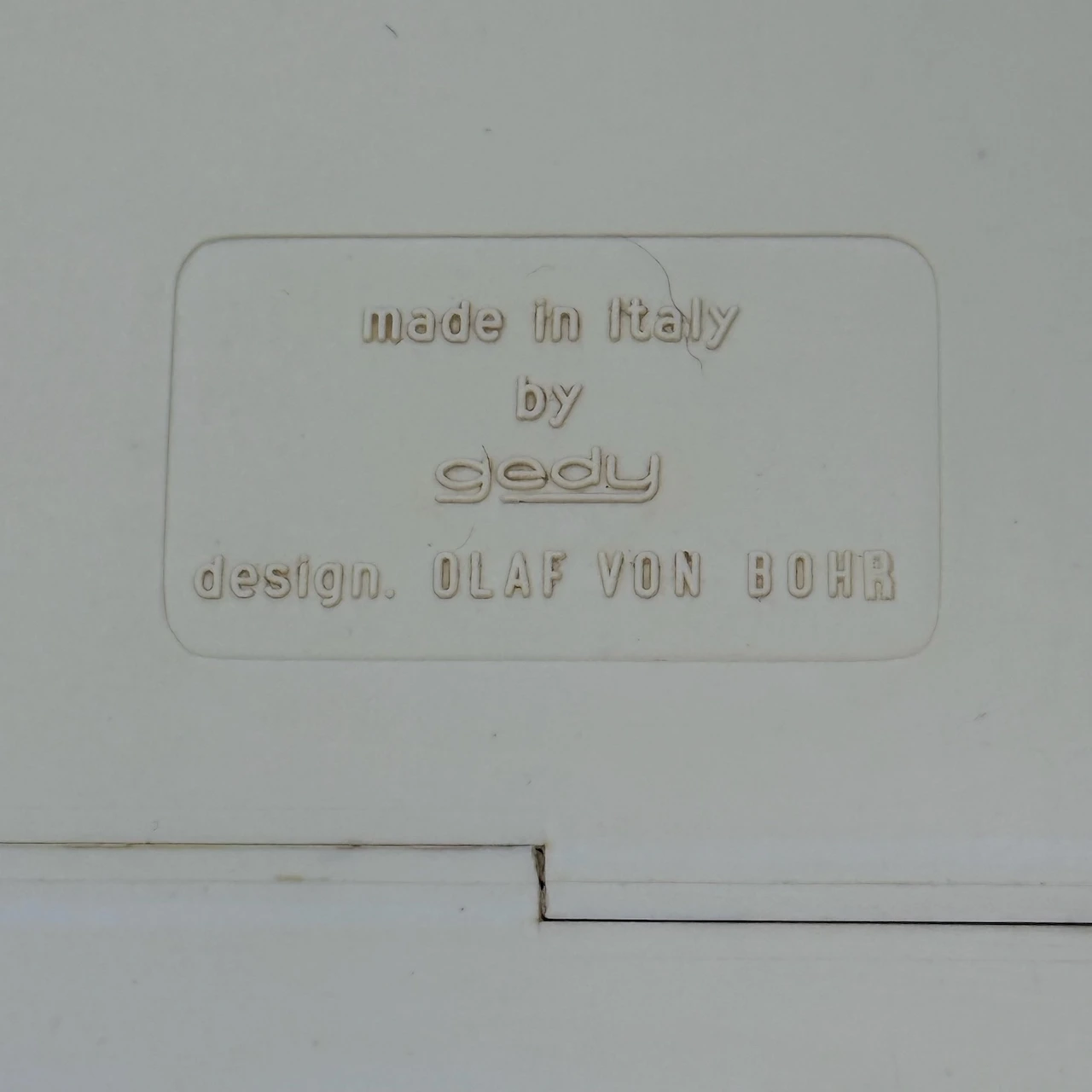
Designed by Olaf von Bohr for Gedy in Italy during the 1970s, this Gedy mirror cabinet is a distinctive example of Italian modernist design applied to everyday domestic objects. Its tall, rectangular silhouette combines a mirrored door with a vibrant yellow plastic body, transforming a functional storage unit into a bold architectural accent.
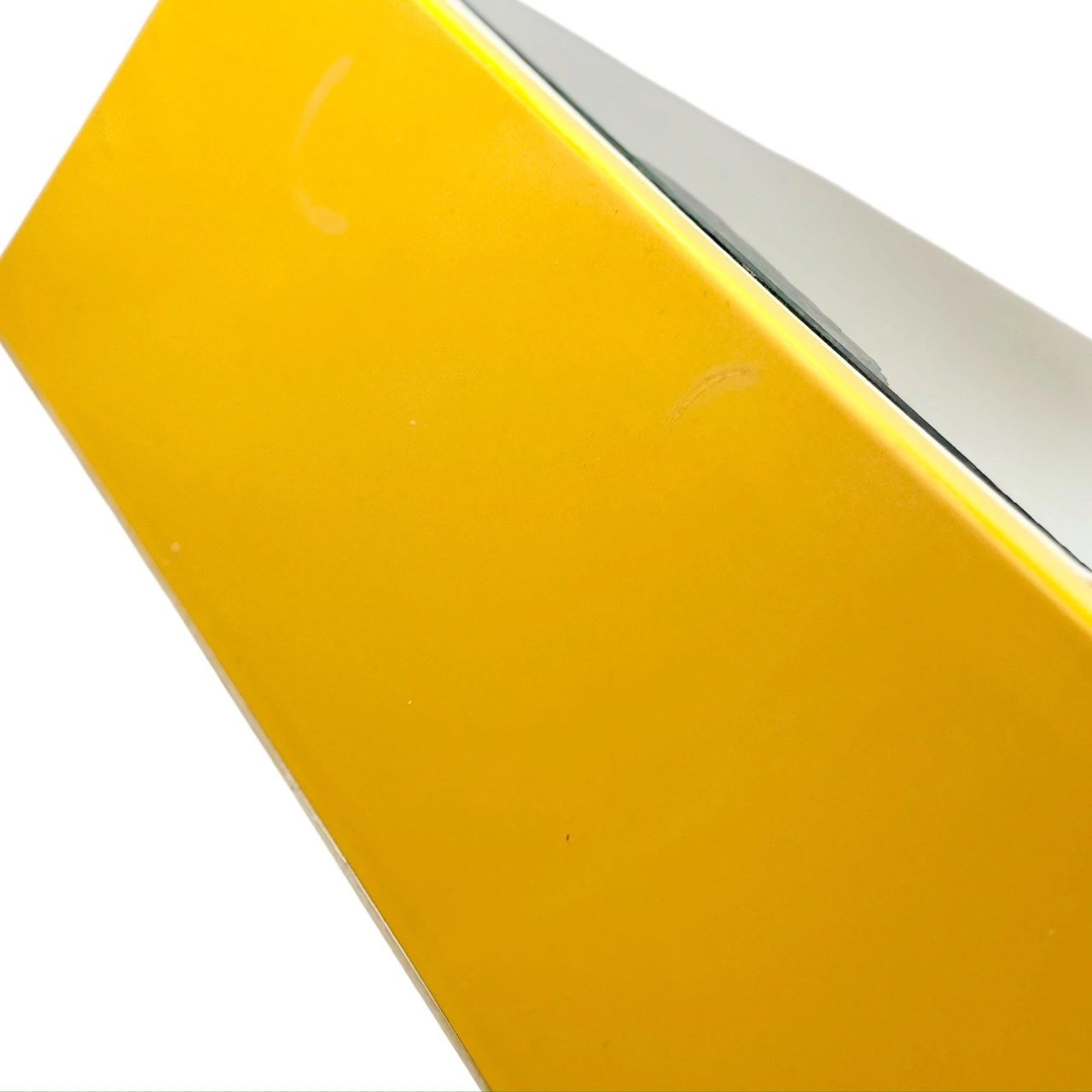
Gedy was among the Italian manufacturers that explored the expressive and practical possibilities of plastic in bathroom accessories and household furnishings. This cabinet reflects that approach through its clean geometry, integrated handle and carefully balanced proportions. The saturated yellow finish brings warmth and visual energy to an otherwise minimalist design.
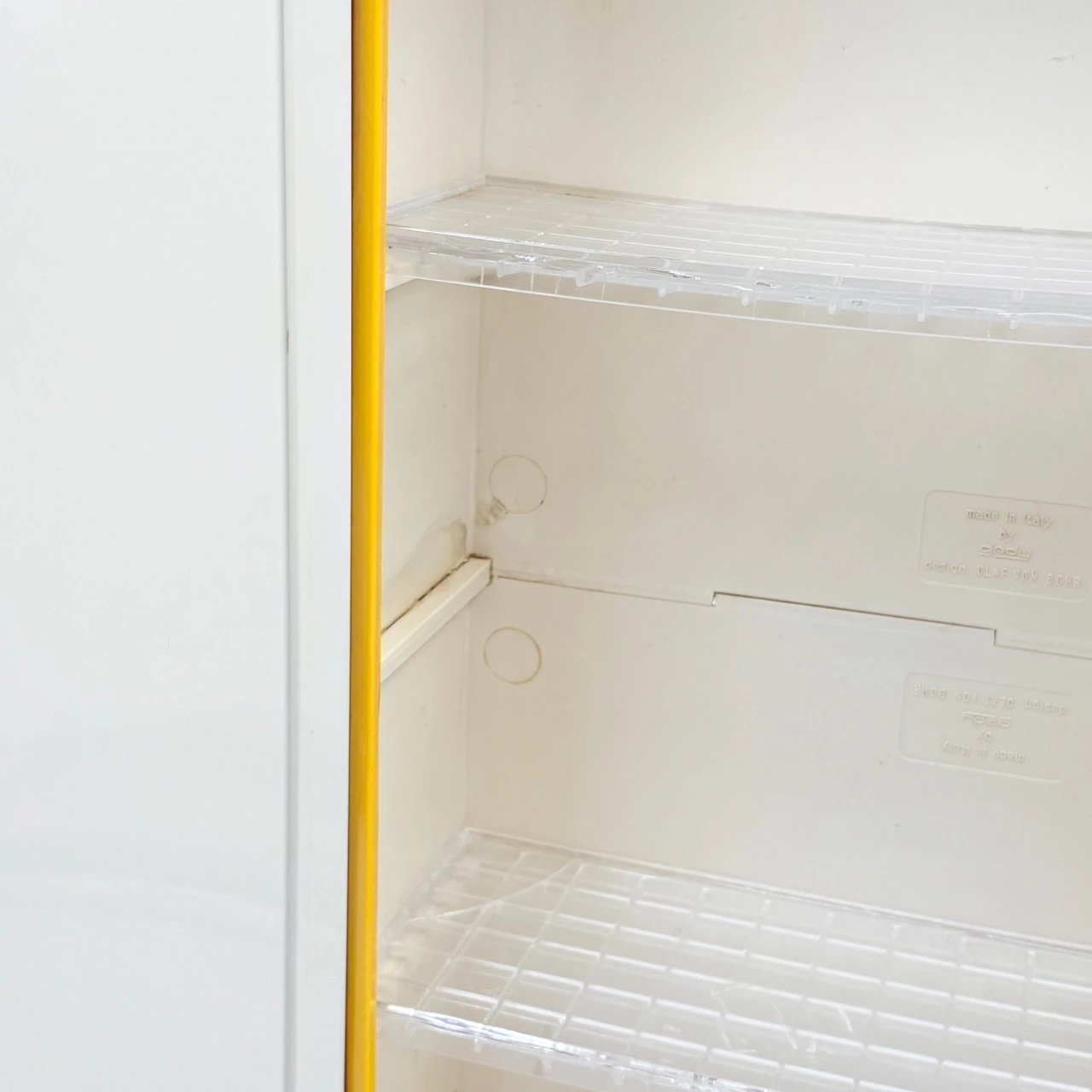
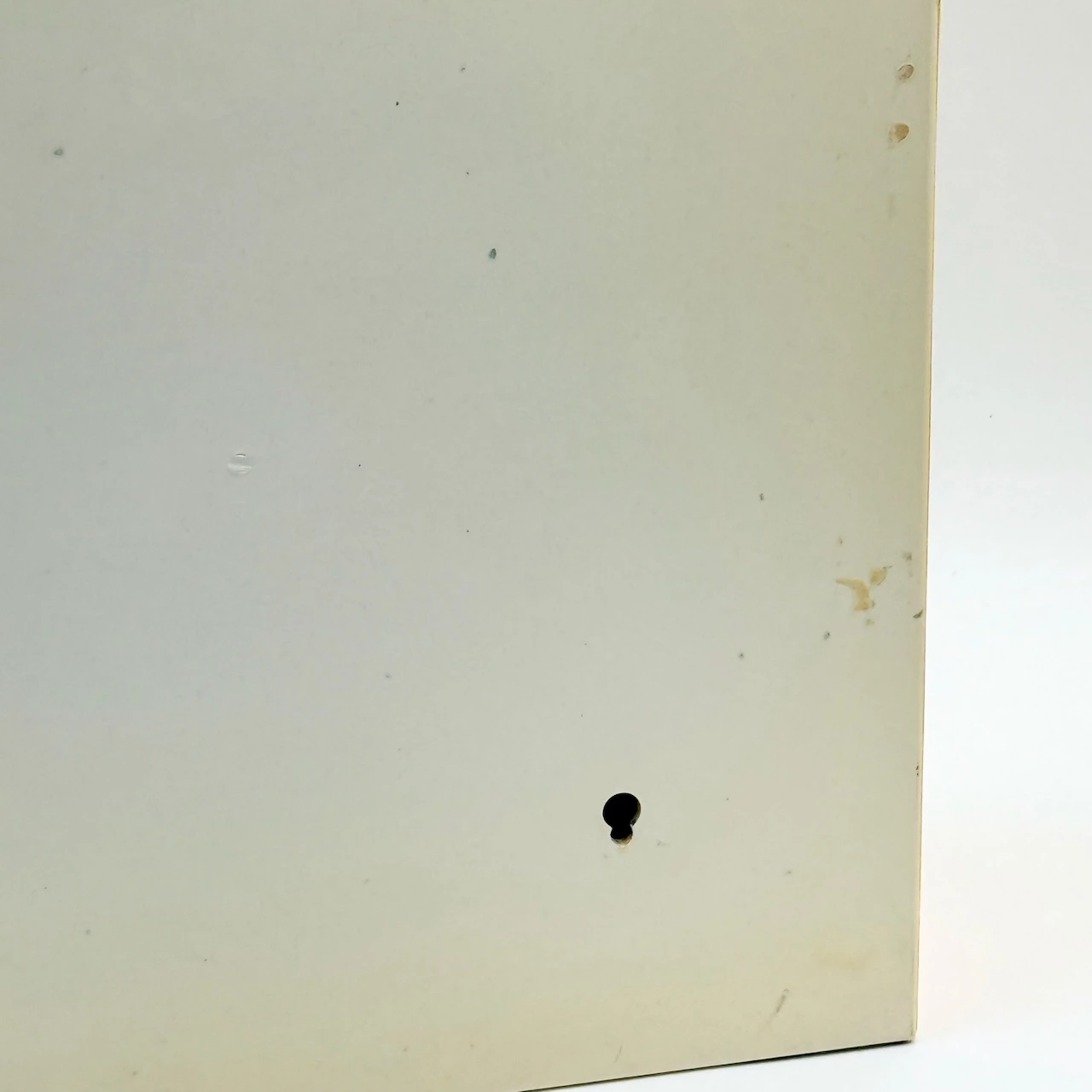
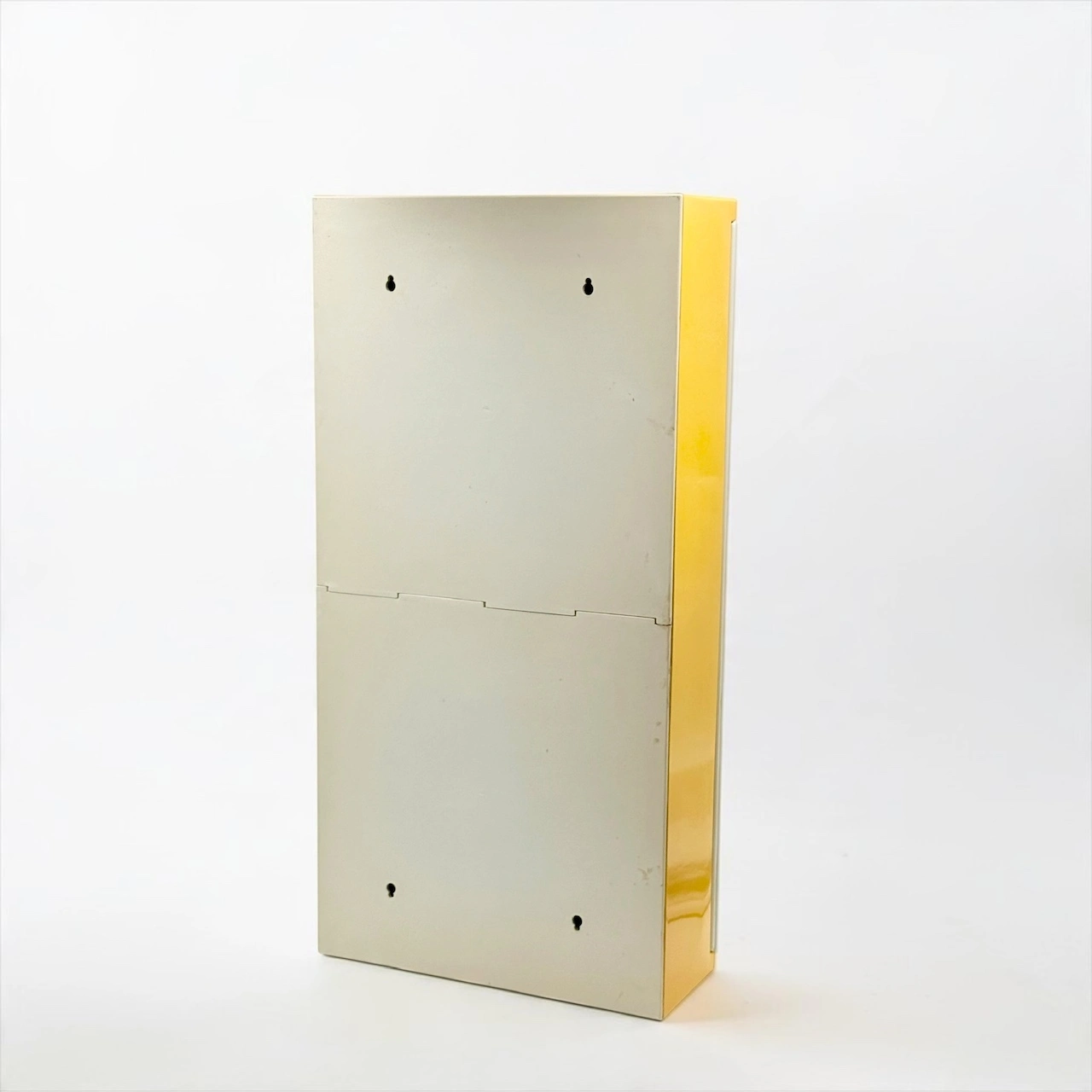
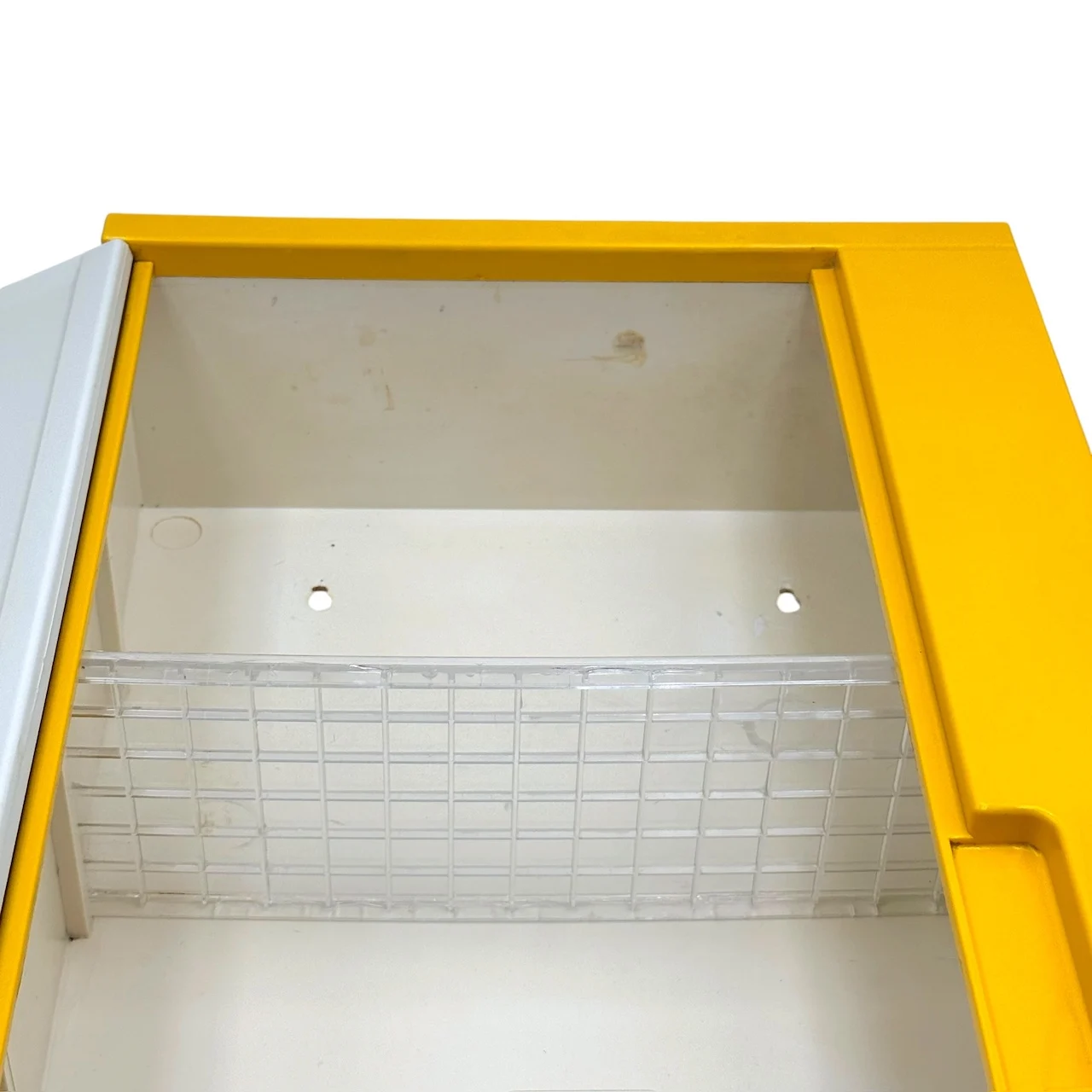
Behind the mirrored front, two internal shelves divide the cabinet into three practical storage levels. Its relatively shallow depth makes it particularly suitable for bathrooms, dressing areas and compact interiors. An especially useful feature is its reversible installation: the cabinet can be mounted with the door opening either to the left or to the right, adapting to different wall arrangements.
Olaf von Bohr’s work for Gedy is characterized by a thoughtful balance between functional clarity and sculptural simplicity. Rather than relying on decorative details, this design achieves its distinctive identity through proportion, color and the relationship between its solid plastic structure and reflective front.
It also works well alongside our selection of vintage mirrors and space age storage solutions, where function becomes part of the visual composition.
To discover more examples of innovative Italian plastic design, explore our Gedy collection, featuring functional and sculptural objects that reflect the brand’s distinctive approach to everyday design during the 1960s and 1970s.